
1. Open Windows Daily for Fresh Air
Ventilating your home is one of the simplest ways to improve air quality. Opening windows daily allows fresh air to circulate. This practice helps reduce indoor pollutants and odors trapped inside. Even on chilly or rainy days, aim to keep windows open for at least five minutes. Ideally, aim for 15 to 20 minutes to maximize benefits. Regular ventilation not only clears out bad smells. It also lowers the concentration of VOCs (volatile organic compounds) in your home. These chemicals, often found in cleaning products and air fresheners, can irritate your respiratory system. By letting in fresh air, you can create a healthier living space. Also, using exhaust fans in bathrooms and kitchens helps maintain air quality. These fans draw out humidity and odors. They prevent musty smells and mold growth. Always run your bathroom fan while showering and your kitchen fan while cooking. This ensures that unpleasant odors are quickly removed from your home. Incorporating daily ventilation into your routine is an easy yet good way to keep your home smelling amazing. You'll notice a difference in the atmosphere and feel more at ease in your space.2. Use Natural Odor Absorbers Well
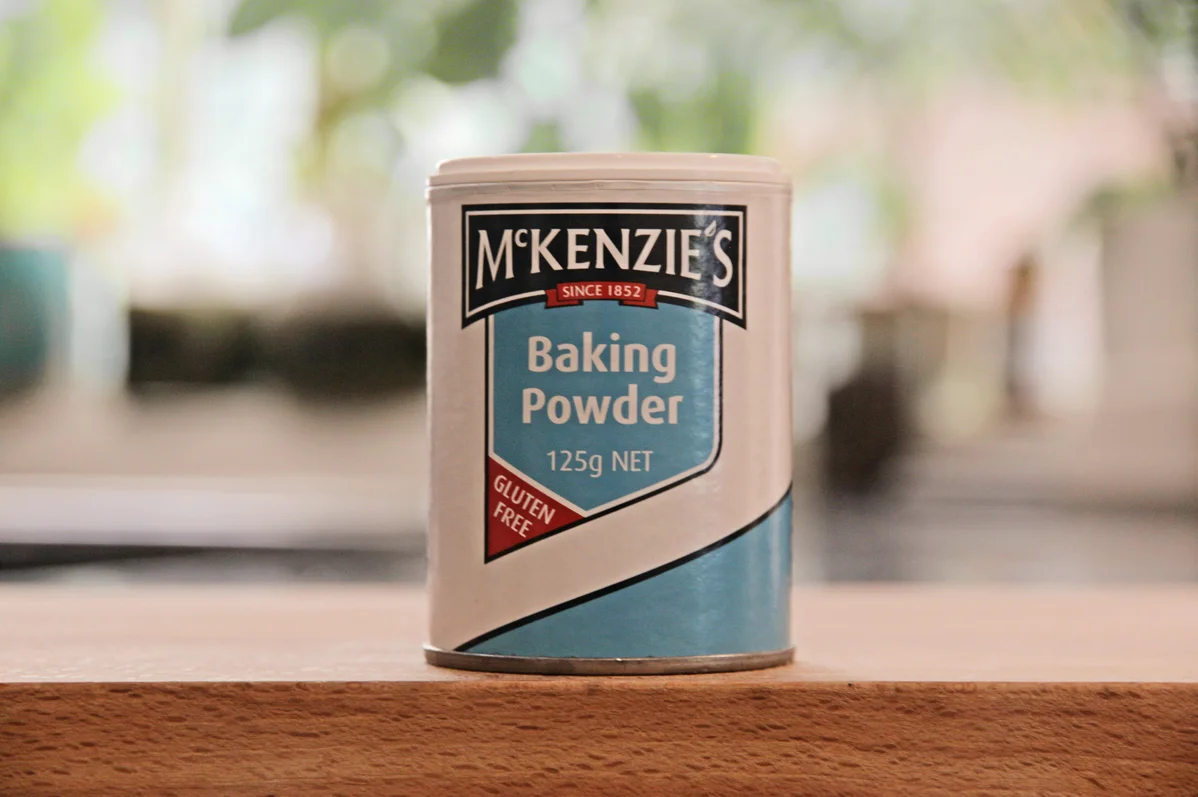
- Choose natural absorbers: Select options like baking soda or activated charcoal that neutralize odors without chemicals.
- Place them wisely: Put baking soda in the fridge and activated charcoal in problem areas like closets for maximum effect.
- Replace regularly: Change out baking soda every three months to maintain its odor-fighting power.
- Combine scents: Mix natural oils with water in a spray bottle and use as a light air freshener to enhance the atmosphere.
3. Maintain Clean Surfaces Regularly
A clean home smells better than a dirty one. Regularly cleaning surfaces eliminates bacteria and prevents odors. Focus on areas that often harbor smells, like sinks and counters. Cleaning these spots weekly can greatly enhance your home's fragrance. Pro Tip: Ventilating your home daily for just 15 minutes can greatly reduce indoor pollutants, according to the American Lung Association (2026). Don't forget about your fridge. A weekly clean-out helps remove spoiled food that can stink up your kitchen. Additionally, bathroom surfaces need attention too. Clean these areas at least two to three times a week to keep unpleasant odors at bay. By staying on top of cleaning routines, you can ensure that your home remains fresh and welcoming. This simple habit can change your living environment and make it more enjoyable.4. Control Common Odor Sources
Common sources of odor can sneak up on you if not managed properly. Trash cans, for example, can start to smell quickly, even when closed. Make it a habit to empty your trash regularly, ideally twice a week. Use liners that trap odors and prevent leakage. Another common issue is pet odors. Regularly cleaning pet areas and grooming your animals can help reduce smells. Use enzyme cleaners that break down odor-causing bacteria. This keeps your home smelling fresh. Kitchen odors from cooking can also linger. Always use an exhaust fan while cooking to remove these smells. Additionally, consider using natural ingredients like vinegar and lemon to clean surfaces. They neutralize odors well. By controlling these common sources of odor, you can maintain a more pleasant home environment. Being proactive about these issues will add to an overall amazing-smelling home.
5. Incorporate Plants for Natural Fragrance
Plants not only enhance your home's decor but also improve its scent. Many houseplants naturally emit pleasant fragrances. Options like lavender, jasmine, and rosemary can add a refreshing aroma to your space. Additionally, plants help purify the air by absorbing toxins and releasing oxygen. This contributes to a healthier home environment. Research shows that certain plants can reduce indoor air pollutants greatly. In fact, the NASA Clean Air Study found that specific plants can remove up to 87% of indoor toxins within 24 hours. To get started, place fragrant plants in sunny spots around your home. Consider grouping several types together for a beautiful display. Not only will they smell great, but they’ll also improve your mood and reduce stress. By incorporating plants into your home, you can create a naturally fragrant environment. This simple addition can make a big difference in how your space smells.Frequently Asked Questions
How often should I ventilate my home for fresh air?
Ventilating your home daily is essential for fresh air. Aim to open windows for at least 15 minutes each day. The American Lung Association states this greatly reduces indoor pollutants. Poor ventilation traps harmful chemicals and odors inside. This affects everyone, especially those with respiratory issues. Start by opening a few windows during the day.
What natural odor absorbers can I use at home?
Natural odor absorbers like baking soda and activated charcoal are very effective. Baking soda can absorb odors and moisture in the fridge. Research from 2026 shows these substances neutralize bad smells without chemicals. They work by trapping odor molecules, preventing them from circulating. This applies to anyone looking to eliminate unpleasant odors. Try placing baking soda in various areas around your home.
When should I clean surfaces to keep my home smelling good?
You should clean surfaces regularly to prevent odors. Experts recommend cleaning high-traffic areas at least twice a week. Research indicates that bacteria buildup causes bad smells. This affects homes with pets, children, or heavy cooking. Make it a habit to wipe down surfaces frequently. Set a schedule for cleaning your kitchen and bathroom surfaces.
Can indoor plants improve my home's fragrance?
Indoor plants can significantly enhance your home's fragrance. Certain plants like lavender and jasmine release pleasant scents. Studies show that plants can remove up to 87% of indoor toxins. This helps create a fresher environment for everyone. Adding plants can also improve mood and reduce stress. Consider placing fragrant plants in your living spaces.
Is it better to use synthetic air fresheners or natural alternatives?
Using natural alternatives is often better than synthetic air fresheners. Many air fresheners contain VOCs, which can irritate your health. A 2024 report indicated that natural options are safer and healthier. These products neutralize odors instead of masking them, improving air quality. This is particularly important for families and individuals with sensitivities. Opt for natural solutions like essential oils or baking soda. For background context, see Home on Wikipedia.