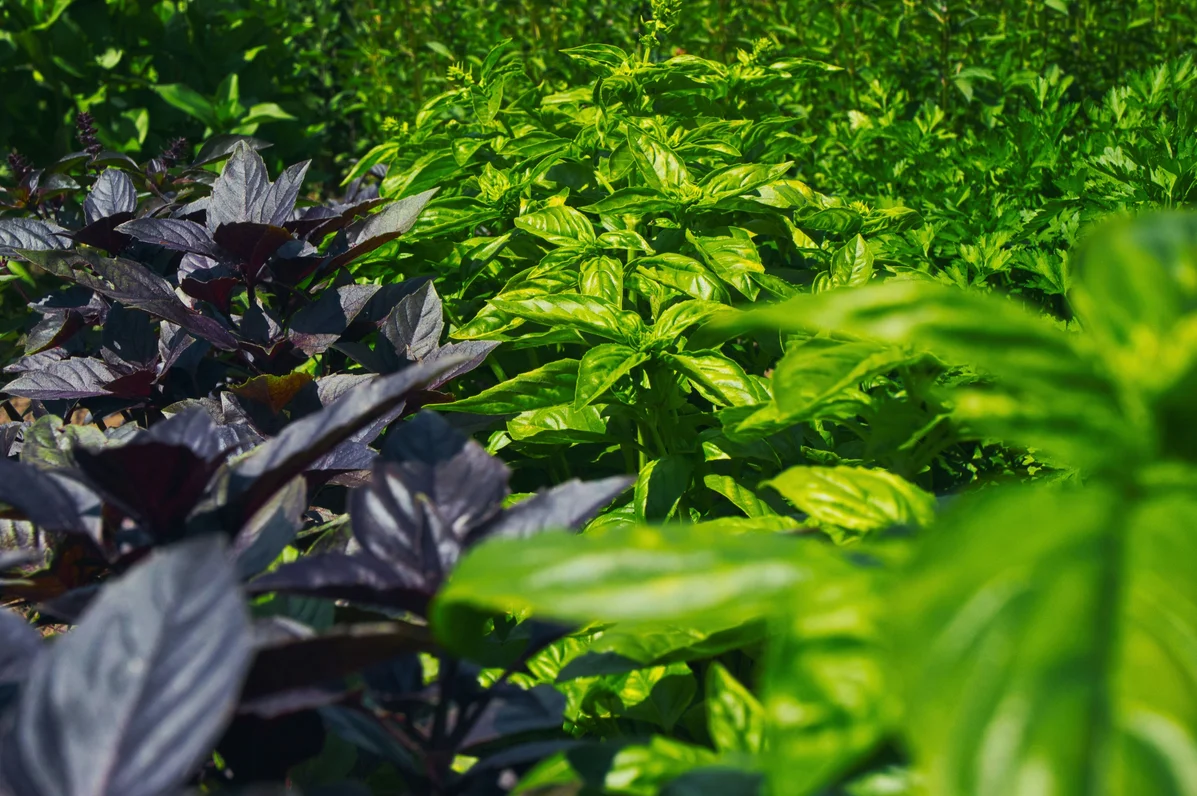
When to Transplant Your Basil Seedlings
Transplanting your basil seedlings at the right time is key to their success. Basil (Ocimum basilicum) is sensitive to cold and should only be moved outdoors after the risk of frost has passed. In many regions, this date falls in late May, depending on your USDA climate zone. If you start seeds indoors, do so at least four weeks prior to your last frost date. When transplanting, ensure the seedlings are at least 4-6 inches tall. This height indicates they are strong enough to handle outdoor conditions. Be gentle when moving them to avoid damaging the roots. Choose a cloudy day or late afternoon for transplanting to reduce stress on the plants. Once in the ground, space the seedlings about 12 inches apart. This allows air circulation and room for growth. If you’re using containers, pick pots that are at least 12 inches deep. This depth helps accommodate the roots as they expand. After transplanting, water the plants well to help settle the soil around the roots. By timing the transplant correctly, you give your basil seedlings the best chance for summer growth. You now know when to transplant your basil for optimal results.Best Location for Growing Basil
Choosing the right location for your basil can significantly impact its growth. Basil thrives in spots that receive at least 6 to 8 hours of sunlight each day. This light is essential for photosynthesis, the process that helps plants convert sunlight into energy. A sunny kitchen windowsill works well for indoor basil, while a south-facing garden bed is ideal for outdoor plants. Pro Tip: Fertilizing basil every 3 to 4 weeks can boost growth by up to 30%, according to agricultural studies. The soil in which you plant basil also matters. Well-draining soil rich in organic matter will support healthy growth. You can enhance your garden soil by mixing in compost or well-rotted manure. This addition provides necessary nutrients and improves soil structure. Avoid areas with heavy shade or too much wind, as these conditions can stunt basil growth. Wind can damage the delicate leaves and roots, while shade limits sunlight exposure. By selecting the right location, you set your basil up for success. Now you understand how to choose the best spot for your basil plants.
Fertilization Tips for Basil in May
- Choose a balanced fertilizer: Select a fertilizer designed for herbs and vegetables to ensure optimal nutrient supply.
- Apply every 3 to 4 weeks: For outdoor basil, fertilize every 3 to 4 weeks during May to boost growth.
- Use liquid fertilizer for containers: If your basil is in pots, opt for liquid fertilizer to maintain moisture and nutrients.
- Mix granules into garden soil: For in-ground basil, spread slow-release granules around the base of the plant.
- Water thoroughly after fertilizing: Ensure you water deeply to help the roots absorb the nutrients effectively.
Watering Guidelines for Healthy Basil
Watering basil correctly is essential for its growth. Basil needs about an inch of water per week, whether from rainfall or manual watering. This amount supports the plant's growth and helps prevent wilting. Watering should be focused at the base of the plant. Wetting the leaves can promote fungal diseases, which can harm your basil. It's best to water early in the morning or late in the afternoon. This timing reduces evaporation and allows the plant to absorb moisture effectively. If you notice the leaves wilting, it’s a sign that your basil needs more water. However, avoid overwatering, as this can lead to root rot. Mulching can help retain soil moisture and regulate temperature. Apply a layer of organic mulch around the base of your plants. This practice not only conserves moisture but also suppresses weeds that compete for nutrients. Checking soil moisture regularly will help you maintain the right watering schedule. You now know how to water your basil for optimal health.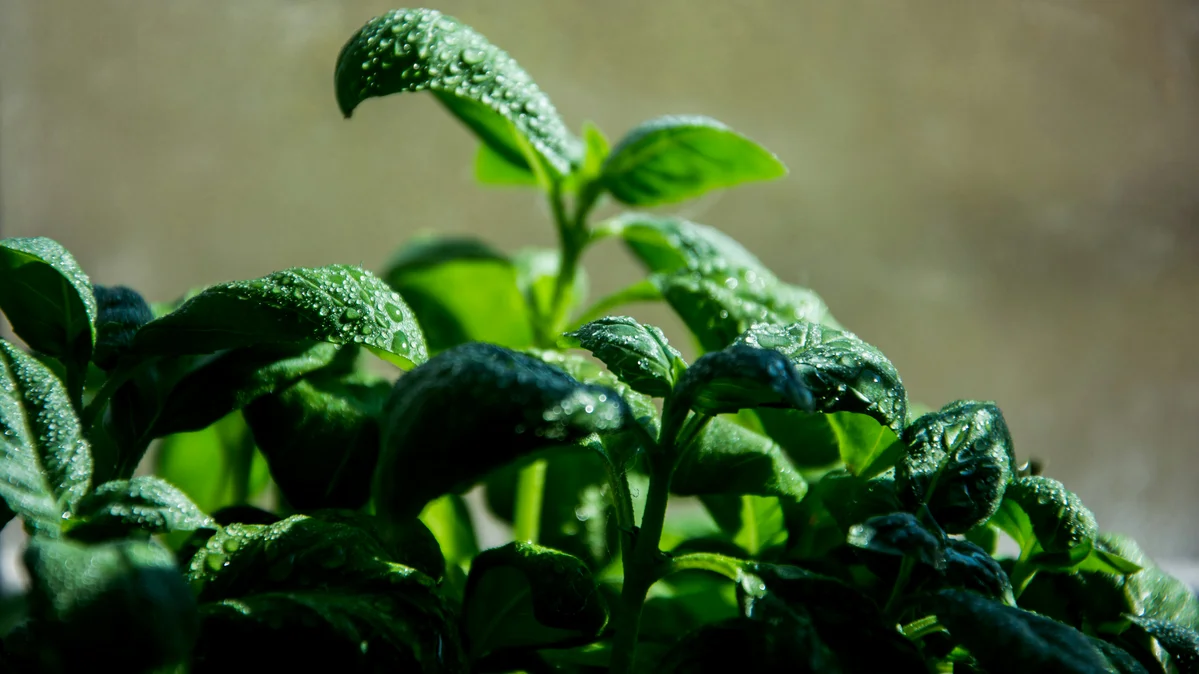
Common Basil Diseases and How to Prevent Them
Basil is susceptible to several diseases that can impact its growth. Fungal diseases, such as downy mildew and fusarium wilt, are common threats. These diseases thrive in wet conditions, making proper watering essential. Avoiding overhead watering can help keep leaves dry and reduce disease risk. Another common issue is bacterial leaf spot, which appears as dark spots on the leaves. This disease can spread quickly, especially in humid environments. To prevent it, maintain good air circulation around your basil plants. Pruning leaves and spacing plants properly can enhance air flow. Regularly inspecting your basil for signs of disease is important. If you notice any affected leaves, remove them immediately to prevent further spreading. Additionally, practicing crop rotation can help minimize disease buildup in the soil. By managing these threats, you can keep your basil healthy and productive. Now you know how to prevent common basil diseases.Frequently Asked Questions
How often should I water my basil plants?
Basil plants should be watered once a week to maintain healthy growth. They need about one inch of water weekly, either from rain or manual watering. The National Gardening Association notes that consistent watering is vital for basil. This practice helps prevent wilting and keeps plants hydrated. Gardeners should always check soil moisture before watering. Use your finger to test the soil for dryness at least an inch deep.
When should I transplant basil seedlings outdoors?
Basil seedlings should be transplanted outdoors after the last frost date. In many regions, this falls in late May, depending on your climate zone. The USDA recommends waiting until nighttime temperatures are consistently above 50°F. This warmth is key for the seedlings' survival outside. If you want strong plants, ensure they are at least 4-6 inches tall before transplanting. Water them well after moving them to their new location.
Can I grow basil indoors, and how?
Basil can be successfully grown indoors with the right conditions. It requires at least 6 hours of sunlight daily, preferably from a south-facing window. A 2024 report by the National Gardening Association shows that indoor basil can thrive with proper care. Good soil and regular watering are also essential. If you’re using containers, ensure they have drainage holes. Rotate the pots weekly to help all sides of the plant receive sunlight.
What type of fertilizer is best for basil?
A balanced, all-purpose fertilizer is best for basil plants. Fertilizers designed for herbs provide the right nutrients without overwhelming the plant. According to agricultural studies, fertilizing every 3-4 weeks can boost growth significantly. Diluting concentrated liquid fertilizers is crucial to avoid damaging the plant. For container basil, liquid fertilizers are preferable, while granules work well for garden plants. Always water after fertilizing to help distribute nutrients effectively.
Is basil sensitive to cold temperatures?
Basil is very sensitive to cold temperatures and should be protected from frost. It typically dies when exposed to temperatures below 50°F, according to the USDA. This sensitivity highlights the importance of timing your transplanting. Frost can damage tender leaves and roots, stunting growth. If you live in a cooler area, consider starting seeds indoors. Wait until the risk of frost has passed before moving them outside. For background context, see Basil on Wikipedia.