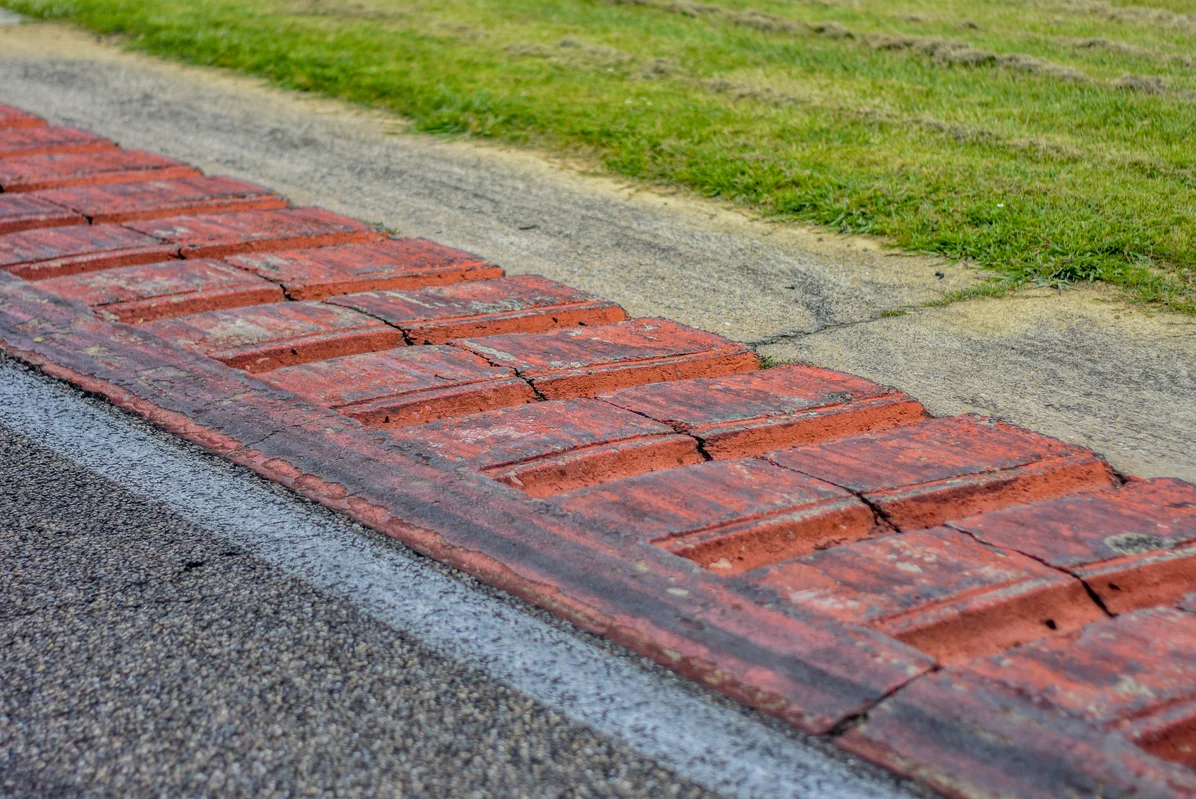
1. Why Choose Brick for Driveway Edging?
Brick is a favored choice for driveway edging due to its durability and aesthetic appeal. Unlike other materials, bricks can withstand extreme weather. This makes them a long-lasting option. According to Chris Deziel, reclaimed bricks can be even more durable than new ones. They offer a resilient choice for homeowners. This durability ensures that your driveway maintains its integrity over time. Brick has a timeless aesthetic that enhances curb appeal. The natural terracotta colors of bricks contrast beautifully with concrete and asphalt. This creates a striking visual effect. Rennovateon reports that this classic look can change a simple driveway into an eye-catching feature of your home. The defined edges also give a polished appearance. This makes your property look well-maintained and inviting. Another reason to choose brick is its environmental impact. Using reclaimed bricks adds character and contributes to sustainability. By opting for recycled materials, you help reduce landfill waste. You can enjoy a distinct aesthetic. The combination of durability, beauty, and eco-friendliness makes brick driveway edging an excellent choice for modern homeowners. Brick driveway edging combines durability, beauty, and sustainability. You'll enhance your home's curb appeal while protecting your driveway from damage.2. Installation Steps for Brick Driveway Edging
- Measure the area: Determine how long the brick edging will be. Use a tape measure for accuracy.
- Mark the layout: Use stakes and string to outline the desired shape of the edging. Ensure a clean and defined border.
- Excavate the trench: Dig a trench about 6-8 inches deep and 4-6 inches wide for stability. Allow at least a few hours for this task.
- Prepare the base: Add a 1-inch layer of compacted sand to the bottom of the trench for support. Level it out evenly.
- Lay the bricks: Begin placing the bricks in your desired pattern. Ensure they fit tightly together and are level.
- Fill gaps and secure: Add more sand to fill gaps and stabilize the bricks. Use a broom to sweep it into place.
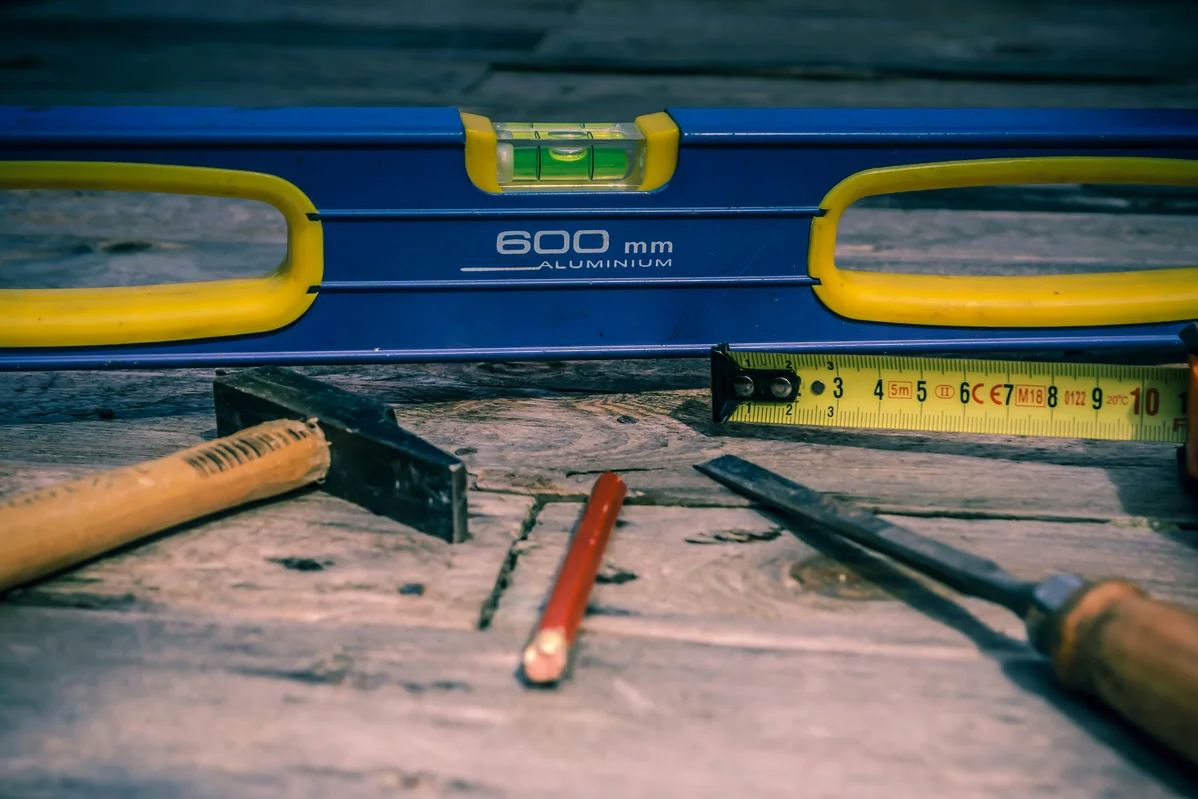
3. Benefits of Using Reclaimed Bricks
Reclaimed bricks provide notable benefits for driveway edging. They add character and enhance the overall aesthetics of your property. These bricks have aged beautifully. They often feature rich colors and feel that new bricks lack. Their weathered appearance can complement the natural surroundings. This makes them a perfect fit for many homes. Pro Tip: Using reclaimed bricks for driveway edging can reduce landfill waste greatly. Each ton of recycled bricks saves about 1.5 tons of new material, according to environmental studies. Reclaimed bricks tend to be more durable than new ones. Chris Deziel notes that their long history often comes with proven strength and resilience. This durability means your investment in brick edging will last longer. It requires less maintenance over time. Using reclaimed bricks enhances aesthetics and provides practical benefits. Selecting reclaimed bricks is a sustainable choice. Homeowners can contribute positively to the environment while improving their property. By opting for these materials, you help preserve resources. You also reduce the demand for new brick production. This combination of beauty, durability, and environmental responsibility makes reclaimed bricks an excellent choice for driveway edging.4. Design Flexibility with Brick Edging
Brick driveway edging is highly versatile. It allows for various design options. Homeowners can choose from different colors, sizes, and patterns to create a personalized look. Traditional terracotta bricks provide a classic appearance. Other colors like black or cream add contemporary flair. This variety ensures that the edging complements the home’s exterior and surroundings. The flexibility of brick also extends to installation techniques. Bricks can be laid flat, on-edge, or on-end. This creates different visual effects. Homeowners can choose a simple design for a clean look. They can also opt for a more elaborate pattern for added interest. The ability to customize the layout means that every homeowner can achieve the specific aesthetic they desire. Brick edging can enhance the flow of outdoor spaces. By integrating the driveway with gardens or walkways, the design can create a smooth transition. This improves the overall look and enhances functionality. A well-designed brick edging can guide visitors and vehicles. This makes the space more inviting. Brick driveway edging provides remarkable design flexibility. Homeowners can create personalized looks that enhance their homes while ensuring functionality. This adaptability makes brick a favored choice for many property owners seeking a timeless and elegant solution.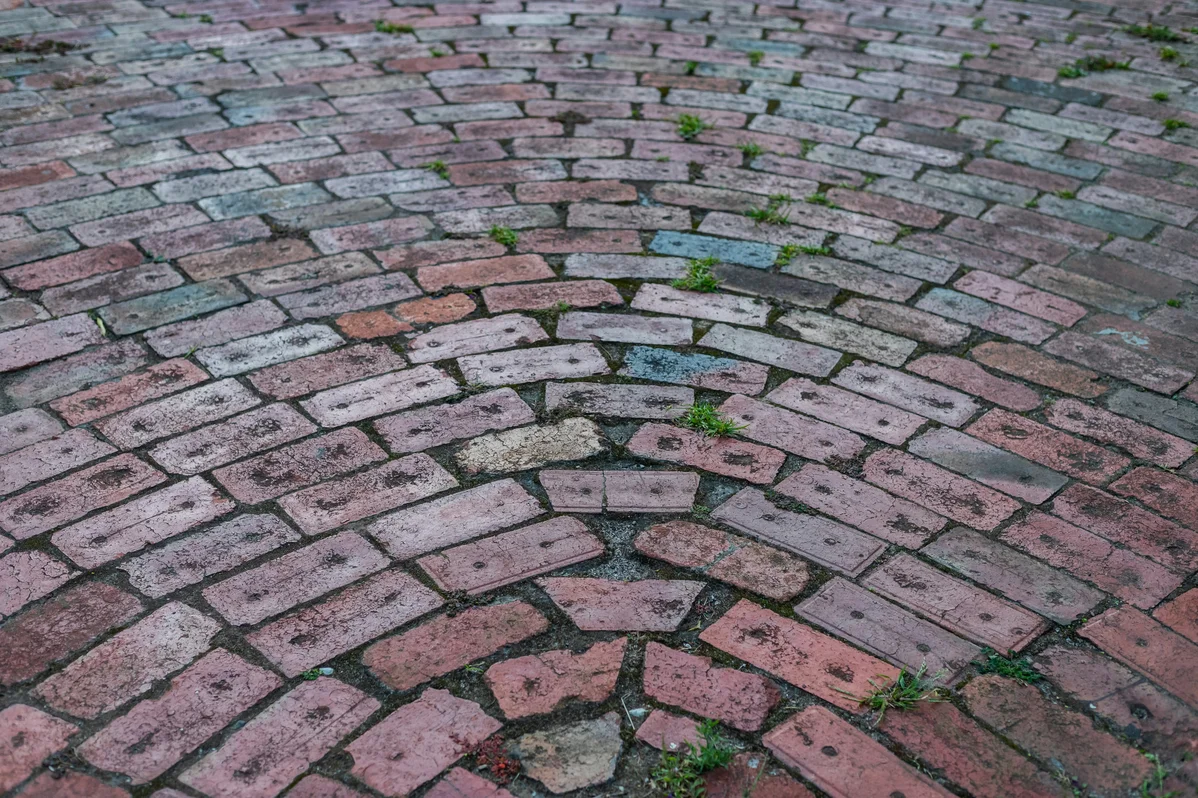
5. Maintenance Tips for Brick Driveway Borders
Maintaining brick driveway edging is essential for preserving its appearance and durability. Regular inspections can help identify loose bricks or signs of wear. Checking for weeds or grass growing between the bricks is necessary. They can damage the structure over time. Removing these intruders promptly will keep the border looking neat and tidy. Cleaning the bricks periodically is also important. Using a mild detergent and water solution can help remove dirt and grime. A soft scrub brush can effectively clean the surface without damaging the bricks. Aim to clean the edging at least once or twice a year to maintain its original beauty. Sealing the bricks can provide added protection against weather elements. A quality brick sealer can help prevent water damage and staining. Applying a sealer every few years will prolong the life of the edging. It will also maintain its colors. This step is especially important in areas with harsh weather conditions. Be proactive about repairs. If you notice any cracked or loose bricks, address the issue immediately. Replacing damaged bricks is easier when done promptly. This can prevent further deterioration. By following these maintenance tips, you can ensure that your brick driveway edging remains attractive and functional for years to come.Frequently Asked Questions
How do I install brick edging for my driveway?
Installing brick edging requires careful planning and execution. First, prepare the area by measuring and marking the layout. Then, dig a trench approximately 6-8 inches deep and 4-6 inches wide for the bricks. The trench should be filled with compacted sand for support. After laying the bricks, fill gaps with more sand for stability. Following these steps will ensure a durable and attractive border.
What are the benefits of using reclaimed bricks for edging?
Reclaimed bricks provide unique aesthetic and environmental benefits. They often feature rich colors and textures that enhance curb appeal. Additionally, using one ton of recycled bricks can save about 1.5 tons of new material. This reduces waste and promotes sustainability. Homeowners can enjoy a beautiful look while contributing positively to the environment. Choosing reclaimed bricks is a smart and stylish choice.
How does brick edging improve drainage for driveways?
Brick edging effectively enhances drainage for driveways. The gaps between bricks allow water to flow through, reducing runoff and pooling. According to home improvement experts, proper drainage is key for driveway longevity. This helps prevent water-related damage, such as cracking and erosion. Homeowners with brick edging can enjoy a more stable and durable driveway. Implementing brick edging will improve your driveway's performance.
Is brick edging more expensive than other materials?
Brick edging typically costs more than gravel but less than some other materials. While bricks may be pricier upfront, their longevity can offset initial costs. According to home improvement experts, brick edging can last for decades with proper care. This durability means fewer replacements and lower long-term costs. Homeowners should consider both initial and ongoing costs when making their choice. Investing in brick edging can be a wise financial decision.
How do I maintain my brick driveway edging?
Maintaining brick driveway edging is essential for its longevity. Regular inspections help identify any loose bricks or signs of wear. Cleaning with a mild detergent and soft brush can remove dirt and grime effectively. Sealing bricks every few years will protect them from weather damage. Promptly replacing any cracked or damaged bricks will prevent further issues. Following these maintenance tips will keep your edging looking great. For background context, see Edging on Wikipedia.