Why Build a Bluebird House?
Building a bluebird house offers several benefits. First, these birds are beautiful and charming, adding vibrancy to your garden. Bluebirds are also known for their sweet songs, which can enhance your outdoor experience. By providing a safe nesting site, you create a sanctuary for these birds, allowing them to thrive. Second, bluebirds play a key role in controlling insect populations. A single pair can consume thousands of insects during nesting season. This natural pest control reduces the need for chemical pesticides, promoting a healthier garden environment. Attracting bluebirds improves your garden's ecosystem and reduces chemical use. Lastly, constructing a bluebird house is a rewarding project. It allows you to engage with nature while developing your woodworking skills. This beginner-friendly project can be completed in a short time, making it perfect for anyone looking to connect with nature and learn a new skill.Materials Needed for the Project
To build a bluebird house, you'll need a few essential materials. Start with a single piece of 1x6 cedar wood, which provides durability and a natural look. You'll also need 1-1/4" 18-gauge brad nails, a Forstner bit, and a nail gun. Other tools include a drill, clamps, and a tape measure. Pro Tip: Building a bluebird house from a single cedar board can be completed in just 1-2 hours, making it a quick and rewarding DIY project. Cedar wood is ideal for birdhouses because it resists rot and decay. Bluebirds prefer untreated wood, so avoid using treated materials that could harm them. Ensure you have the necessary tools to make precise cuts and assemble the house effectively.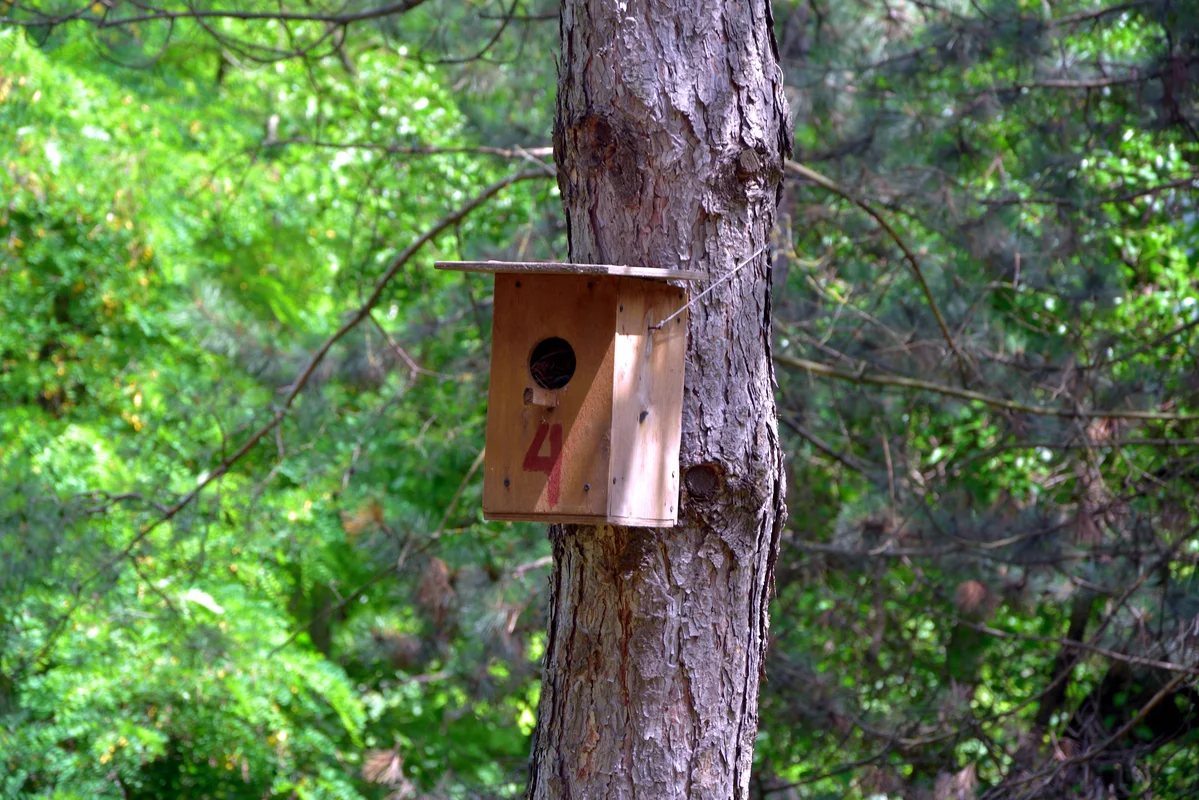
Step-by-Step Instructions
- Layout the components: Use a tape measure to mark the board for each piece, ensuring proper dimensions.
- Cut out the pieces: Use a miter saw to cut each part, ensuring to cut the sloped tops at a 10-degree angle.
- Drill the entrance hole: Measure and drill a 1-1/2-inch hole in the front piece, two inches down from the center.
- Make the angled cuts: Cut 10-degree bevels on the top edges of the front and back pieces for a snug fit.
- Assemble the birdhouse: Start with the back piece, attaching the sides, front, and floor using brad nails.
- Add the roof: Attach the roof piece, ensuring it aligns with the sloped edges for proper drainage.
Tips for Attracting Bluebirds
To make your bluebird house more appealing, consider its location. Place it in an open area, away from dense vegetation, to attract bluebirds. They prefer habitats with low grass and scattered trees. This environment allows them to spot predators easily while searching for food. Another tip is to ensure the entrance hole is the correct size. An entrance of 1-1/2 inches will keep larger birds out while allowing bluebirds to enter. Monitor the house regularly to ensure it's free of debris and in good condition. Providing a food source will help attract bluebirds. Plant native flowers and shrubs that produce seeds and berries. This feeds bluebirds and supports local wildlife. Regularly check bird feeders to ensure they are stocked with appropriate seeds.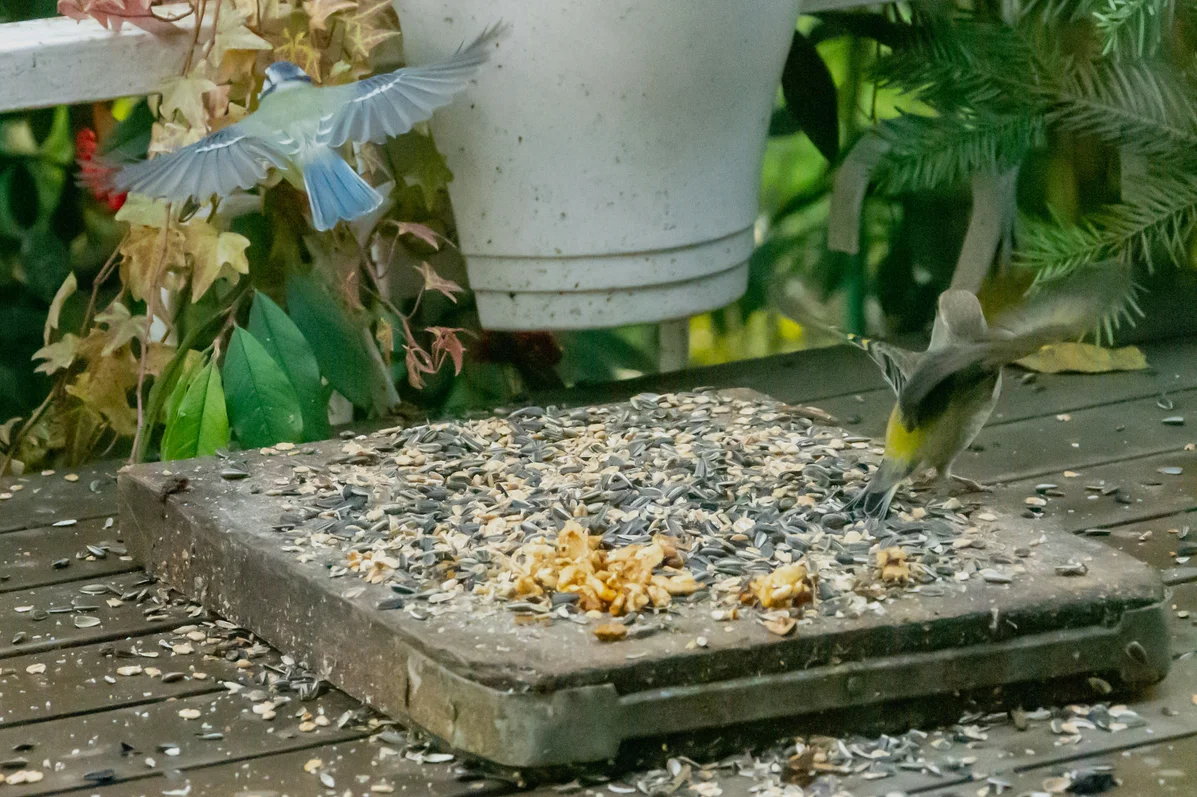
Maintenance for Your Birdhouse
Maintaining your bluebird house is key for attracting returning birds. Clean out the house after each nesting season to remove old nesting materials. This practice prevents the spread of parasites and diseases that can harm new occupants. Check for any damage caused by weather or pests. Repair or replace any broken parts to ensure the house remains safe and inviting. Regular inspections will help you spot potential issues early, allowing for timely repairs. Consider adding ventilation holes to promote airflow inside the house. This keeps the interior cool during hot months, making it a comfortable environment for nesting birds. Proper ventilation ensures the health of the birds.Frequently Asked Questions
How long does it take to build a bluebird house?
Building a bluebird house takes about 1 to 2 hours. According to Family Handyman, this time frame allows for easy assembly. The project is simple, making it suitable for beginners. Quick completion means you can enjoy the results almost immediately. This project is perfect for those looking to engage with nature. Start today by gathering your materials and tools.
What materials do I need to build a bluebird house?
You need a single piece of 1x6 cedar wood to build a bluebird house. Family Handyman notes that this wood is ideal for outdoor projects. You'll also require brad nails, a drill, and a nail gun for assembly. Cedar's natural properties help protect the house from decay. This information is essential for anyone planning to attract bluebirds. Ensure you have all materials ready before starting.
Why is cedar wood preferred for birdhouses?
Cedar wood is preferred for birdhouses because it resists rot and decay. Ornithologists in 2026 confirmed that bluebirds favor untreated wood. The natural oils in cedar also deter pests, making it a safe choice for birds. This material helps protect nesting birds from harsh weather. Choosing cedar ensures a long-lasting home for your feathered friends. Consider using cedar for your next birdhouse project.
Can I use other woods for building a bluebird house?
Other woods can be used, but untreated wood is essential. Many experts recommend cedar or pine for durability. Treated wood contains chemicals that can harm birds, so avoid it. Some woods are more prone to rot, affecting the house's lifespan. Bluebirds will likely avoid houses made of unsuitable materials. Stick to cedar or similar untreated wood for the best results.
What dimensions are required for a bluebird house entrance?
The ideal entrance hole size for a bluebird house is 1-1/2 inches in diameter. This measurement keeps larger birds from entering, allowing bluebirds to nest safely. Family Handyman states that proper dimensions are key for attracting bluebirds. Too large an entrance will invite unwanted species, disrupting nesting. Ensuring the right size promotes a healthy habitat for bluebirds. Measure carefully when constructing your birdhouse. For background context, see Bluebird on Wikipedia.