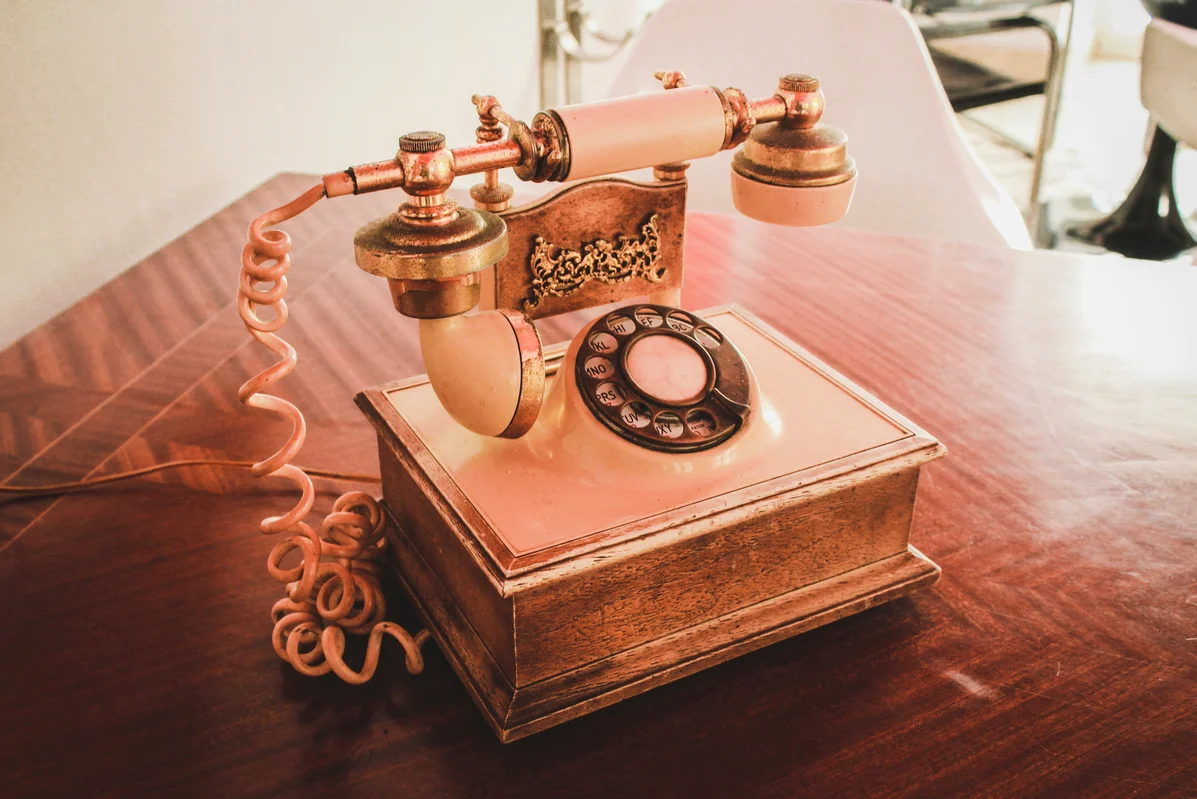
The Last Days of the Rotary Phone
The rotary phone was a staple in '80s homes. It marked the end of an era. This device was not just a means of communication. It was a social tool. Kids would often stretch the phone's long cord to find privacy for late-night conversations. The feel of dialing a number was something unique. Each number required a deliberate, physical action. In 1980, rotary phones still dominated the market. This was despite the rise of touch-tone technology. By the late '80s, touch-tone phones began to take over. However, many families held onto their rotary models. The nostalgia surrounding rotary phones is palpable. For many, it signifies simpler times filled with memorable conversations and teenage drama. The decline of the rotary phone reflects broader changes in technology. As faster, more efficient phones became available, the rotary model faded. Its impact on communication styles and home decor remains strong. Many people still cherish these vintage devices.Woodgrain Everything: A Trend
- Identify your style: Look around your home for classic woodgrain items. Many appliances, like microwaves and TVs, featured woodgrain finishes.
- Research trends: Investigate the 1980s' design trends focusing on woodgrain elements. Over 60% of TVs had this finish during the decade.
- Visit vintage stores: Explore local shops for woodgrain decor. Seek out items like furniture or kitchen appliances that evoke nostalgia.
- Incorporate woodgrain designs: Choose modern pieces with woodgrain finishes to blend nostalgia with contemporary style. This can include wallpaper or accents.
- Share your finds: Show off your vintage woodgrain items on social media. Engage with others who appreciate this classic style.
Iconic Kitchen Appliances of the '80s
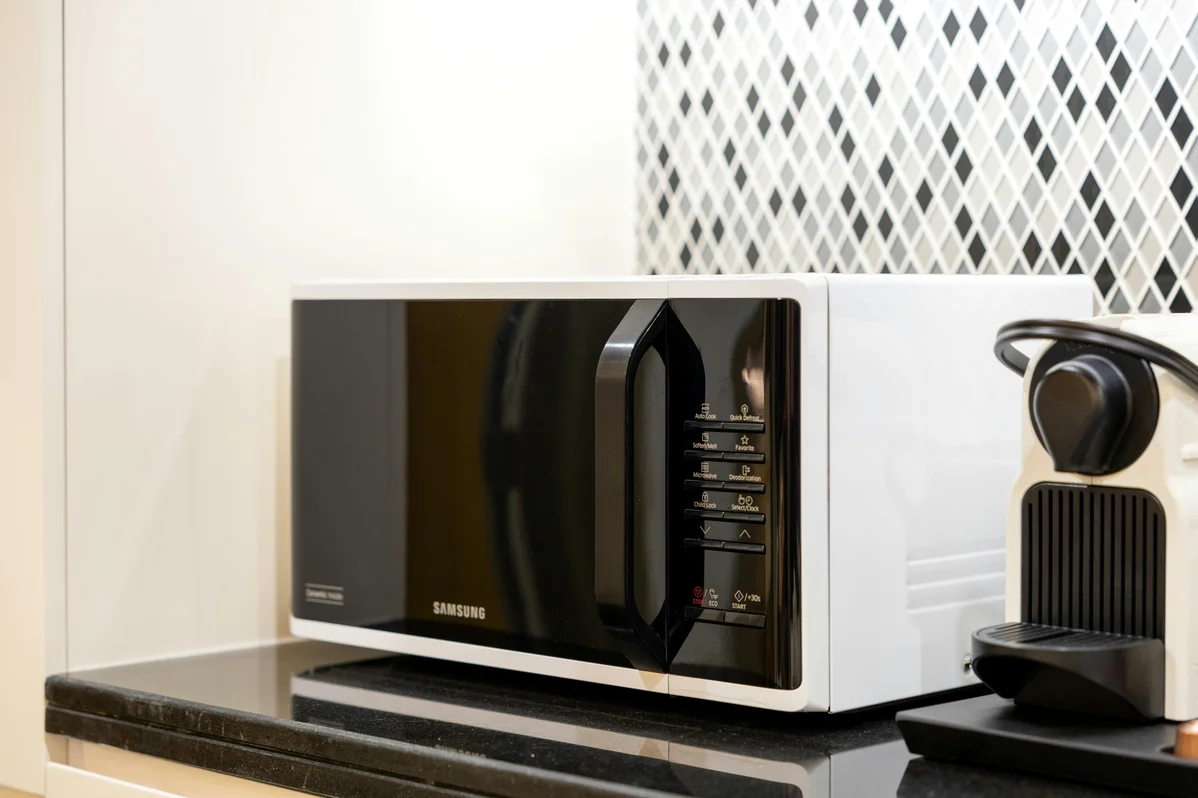
The kitchen in the 1980s was filled with unique appliances that defined the era. Items like the woodgrain microwave and VCR were common sights. These appliances served practical purposes and showcased the bold design trends of the time. People loved the idea of bringing the warmth of wood into their kitchens, even if it was just a faux finish. Pro Tip: Over 60% of TVs in the 1980s featured woodgrain finishes, showcasing a blend of technology and classic design. The popularity of these appliances reflected a shift in home life. As families gathered around the kitchen, these items became focal points for social interaction. The introduction of the microwave changed cooking habits. It made meal preparation faster and easier. This innovation allowed families to spend more time together. It reshaped mealtime dynamics. While technology has advanced dramatically since then, the charm of these kitchen appliances continues to have a lasting effect. Many people still seek out vintage models. They appreciate their classic aesthetic and nostalgic value.Nostalgic Furniture Styles
Furniture styles in the '80s were bold and colorful. They often combined function with flair. Large, overstuffed sofas and bright patterns dominated living rooms. This design trend was all about comfort and style. It reflected the decade's focus on making homes inviting and enjoyable. The '80s also saw a rise in eclectic decor. Furniture often featured bold colors and unique shapes. This was a time when mixing patterns and feels was celebrated. People embraced Southwestern patterns and geometric designs. They added character to their living spaces. These choices created lively environments perfect for entertaining. As the years went on, many of these styles became symbols of nostalgia. Today, designers are reintroducing elements from the '80s into modern decor. They blend old and new. The revival of retro styles highlights the enduring appeal of this era's furniture.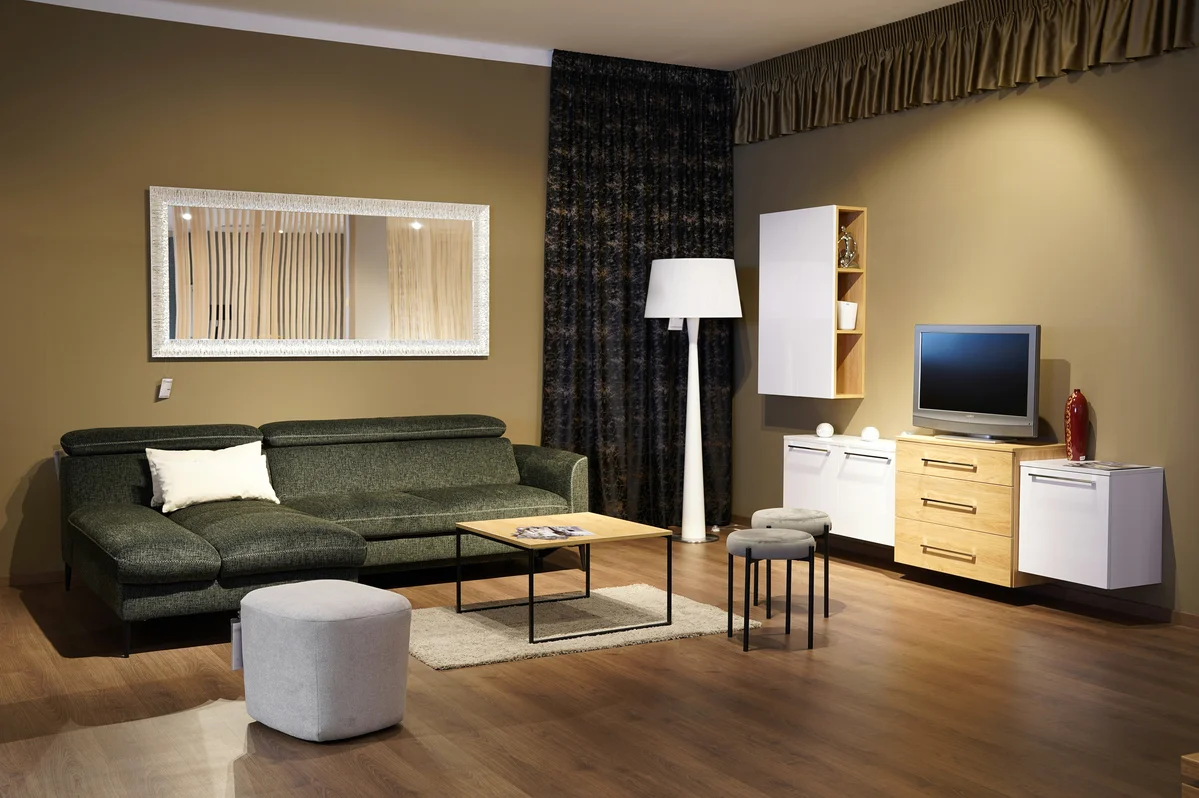
The Impact of '80s Design on Today
The design trends of the 1980s have left a lasting mark on modern homes. Today, many people are drawn to the bold colors and patterns that characterized that decade. Retro-inspired designs are becoming increasingly popular. Many homeowners look to blend vintage pieces with contemporary decor. The rise of vintage markets has made it easier to find classic household items from the 1980s. Many people actively seek out these pieces to create unique and personal spaces. This trend reflects a love for nostalgia and an appreciation for quality craftsmanship that was prevalent in the '80s. The influence of '80s design extends beyond aesthetics. It has shaped how we view functionality in our homes. Many modern designs prioritize comfort and usability. This echoes the values of the 1980s. As we continue to embrace elements from this era, we can expect to see a blend of past and present in home decor for years to come.Frequently Asked Questions
What iconic items were popular in 1980s homes?
The 1980s were marked by several iconic household items. A significant 30 million units of the Nintendo Entertainment System were sold by 1990. This sales figure highlights the console's popularity among kids and families. The NES changed home gaming by making it accessible to everyone. Families often spent evenings playing games together, creating lasting memories. To relive this experience, consider finding an NES or similar retro gaming system.
How did the '80s influence modern home decor?
The '80s have significantly influenced modern home decor styles. Many contemporary designs incorporate bold colors and patterns reminiscent of that decade. Designers are reviving these trends to appeal to nostalgia-driven consumers. This resurgence reflects a desire for personal expression in home styling. Homeowners today often mix vintage and modern styles to create unique spaces. You can add a few retro-inspired pieces to your home.
Why were woodgrain finishes popular in the '80s?
Woodgrain finishes were a hallmark of '80s interior design. Over 60% of televisions featured woodgrain designs, appealing to consumer preferences for warmth. This trend began as a way to blend technology with traditional aesthetics. Many families enjoyed the cozy feel of wood in their homes, even if it was faux. The popularity of these finishes reflects a longing for comfort during a time of rapid change. Consider incorporating woodgrain elements in your decor for a nostalgic touch.
Can you name a popular kitchen appliance from the '80s?
The microwave was a kitchen staple in the 1980s. Its introduction changed cooking habits for over 60% of American households. This shift allowed families to prepare meals quickly and efficiently. The convenience of microwaves became essential as lifestyles became busier. As these devices grew in popularity, they evolved in design and functionality. To embrace this trend, look for vintage microwaves at thrift stores or online marketplaces.
What types of furniture were common in '80s homes?
Popular furniture styles in the '80s included oversized sofas and bright colors. Many homes featured eclectic designs that combined various patterns and textures. This style reflected a desire for comfort and liveliness in living spaces. The trend was characterized by bold geometric patterns and bright hues. Today, these nostalgic designs are making a comeback in modern interiors. Explore local vintage shops to find unique pieces that capture this essence. For background context, see 1980s on Wikipedia.