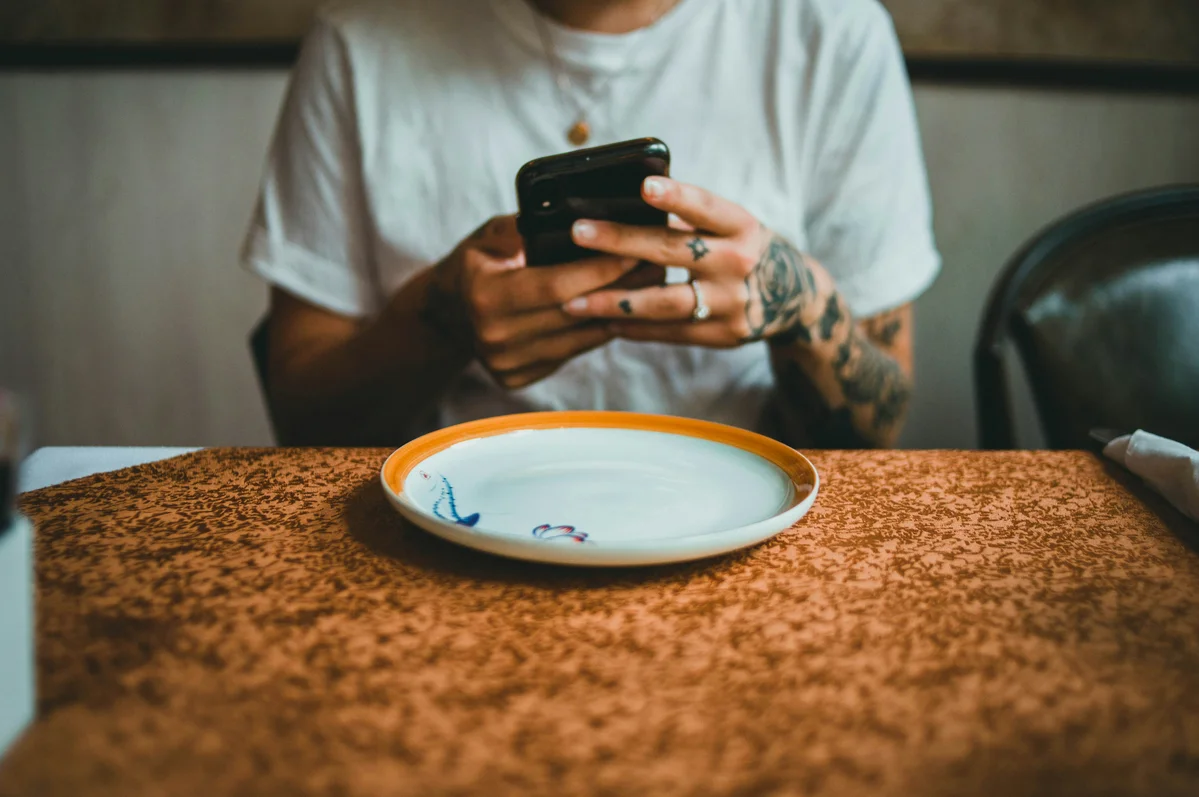
How Distraction Affects Your Eating Habits
Distraction during meals can greatly alter how much you eat. When engaged in passive distractions, like watching TV, people often eat more than they realize. This happens because they are less aware of their hunger cues. As a result, they may not notice when they are full. Research shows that when people eat while distracted, they fail to encode the experience in their memory. They may not remember how much they ate or how satisfying the meal was. This lack of memory can lead to eating more at the next meal. When you don't remember your last meal well, your body may not register that it's already satisfied. Different types of distractions affect eating in various ways. Passive distractions increase food intake during the meal. In contrast, hard tasks do not have the same immediate effect. However, both types lead to increased consumption later. This highlights the importance of being mindful during meals to better regulate food intake. Distractions can hurt your ability to recognize fullness. This impacts future food choices. By understanding how distractions affect your eating habits, you can make better choices at mealtime.Research Findings on Distracted Eating
Recent research has provided valuable insights into the effects of distracted eating. A meta-analysis of 50 studies published in The American Journal of Clinical Nutrition revealed that distractions during meals lead to increased food intake later. This consistent finding across various types of distractions highlights the importance of being mindful while eating. Pro Tip: Eating while distracted can lead to 20% more food consumption at your next meal, according to a 2026 meta-analysis. The studies examined both concurrent intake, or how much people ate during a distracted meal, and subsequent intake at later meals. Passive distractions, such as watching TV, were shown to increase food consumption during the meal. In contrast, hard tasks did not increase intake during that meal but still affected future eating behavior. The researchers found that eating while distracted hinders memory encoding. This interference can lead to confusion regarding hunger and fullness cues. As a result, those who eat while distracted may find it hard to regulate their food intake well. Overall, the research indicates that distracted eating has lasting effects on future meals. Being aware of these findings can help people make better choices during their eating experiences.
Impact of Distraction on Future Meals
Distraction during meals has a big impact on future eating behavior. When people eat while distracted, they often do not fully process their meal. This lack of awareness can lead to forgetting how much food they consumed and how they felt afterward. As a result, they may not realize they are satisfied. This effect is not limited to specific types of distractions. Research shows that both passive distractions, like TV, and hard tasks impact future food intake. Although demanding tasks may not increase immediate consumption, they still disrupt memory encoding. This disruption can lead to increased hunger later. It causes people to eat more during subsequent meals. The connection between distraction and increased food intake can affect overall health. Over time, constantly eating more than necessary can lead to weight gain and related health issues. Understanding this impact could encourage individuals to be more mindful during meals and recognize their eating patterns. The effects of distracted eating extend beyond the meal itself. Increased future food intake can result from a lack of awareness during the eating experience. Recognizing this link is key for making healthier food choices.Ways to Practice Mindful Eating
- Set a distraction-free zone: Choose one meal a day to eat without screens. This practice can help you focus on your food and improve your eating experience.
- Engage in social meals: Share meals with others to enhance presence and connection. Eating with friends or family can draw your attention to the meal, promoting mindfulness.
- Check in with your hunger: Pause during your meal to assess your fullness. Taking a moment to notice how you feel can help you recognize when to stop eating.
- Begin with small portions: Serve smaller amounts of food to help control intake. This method allows you to refill your plate only if you're still hungry.
- Practice gratitude: Reflect on your food and the effort involved in preparing it. This practice can enhance your appreciation for your meals and encourage mindful eating.
Tips to Reduce Eating Distractions
Reducing distractions during meals can lead to healthier eating habits. One good plan is to create a designated eating space. By sitting at a table without electronic devices, you can focus on your meal without interference. This simple change can greatly enhance your dining experience. Another approach is to plan your meals. Preparing meals in advance allows you to focus on eating rather than multitasking. When you know what you're eating and when, it becomes easier to stay present during meals. This can help you develop healthier eating patterns. Additionally, consider the timing of your meals. Eating at regular intervals can keep hunger levels stable. When you're overly hungry, you're more likely to eat quickly and without mindfulness. This leads to overeating. By maintaining a consistent eating schedule, you can improve your overall awareness and satisfaction during meals. Lastly, remind yourself of the benefits of mindful eating. Being aware of how distractions affect your intake can motivate you to change your habits. By making small adjustments, you can build a more mindful approach to eating and enjoy your meals more fully.Frequently Asked Questions
What are the effects of distracted eating?
Distracted eating leads to increased food intake later. A 2026 study found that eating while distracted can raise food consumption by 20%. This finding comes from Zhané Slambee's analysis of 50 studies. Distraction interferes with memory, preventing full registration of what was eaten. This affects anyone who eats while distracted, especially during meals. To combat this, try eating without distractions occasionally.
How can I practice mindful eating?
Mindful eating promotes awareness during meals. A 2026 study found that mindful eating can reduce food intake and improve satisfaction. This research is noted in The American Journal of Clinical Nutrition. Mindful practices help reinforce memory of meals, enhancing satiety signals. This approach benefits anyone looking to control their eating habits. To start, choose one meal each day to eat without distractions.
Why does distraction lead to overeating?
Distraction leads to overeating by impairing memory. A 2026 study showed that people eat more at subsequent meals when distracted. This research was published in The American Journal of Clinical Nutrition. When distracted, individuals do not fully process their meal. This can confuse hunger and fullness cues, causing them to eat more later. To reduce overeating, focus on your meals without distractions.
When is eating while distracted most harmful?
Eating while distracted is most harmful during passive activities. A 2026 study found that watching TV while eating can increase intake significantly. This information comes from Zhané Slambee's analysis of multiple studies. Passive distractions require little cognitive effort, allowing for mindless eating. This pattern affects anyone who eats while engaged in such distractions. To minimize harm, try to avoid screens during meals.
Can mindful eating help reduce overeating?
Mindful eating can effectively reduce overeating. A 2026 study indicates that being present during meals lowers food consumption. This finding was reported in The American Journal of Clinical Nutrition. Mindfulness helps improve memory of meals, aiding satiety signals. This approach benefits anyone struggling with portion control. Start by dedicating one meal a day to mindful eating practices. For background context, see Will Smith Eating Spaghetti test on Wikipedia.