
The History of Feather Dusters
Feather dusters have been around since the late 1800s. They were initially made with turkey feathers. These tools became popular for their ability to make dusting easier. Over the years, they evolved in design. However, their main function remained the same: moving dust from surfaces. While they were once seen as status symbols, feather dusters have lost their appeal. Cleaning technology has improved. Today, feather dusters are often criticized for their ineffectiveness. They simply push dust around instead of capturing it. People who use them might feel like their homes are cleaner than they are. However, the dust particles are often just stirred back into the air. The historical reliance on feather dusters highlights the need for better alternatives that truly clean rather than just rearrange dust.Why Feather Dusters Are Ineffective
Feather dusters fail to remove dust well because they merely move particles around. When you dust with feathers, you might think you're cleaning. However, you're likely just redistributing allergens and dust throughout the room. This can worsen air quality, especially in homes with vulnerable individuals like those with asthma or allergies. Pro Tip: Using microfiber dusters can reduce allergens by up to 50%, according to the Allergy Research Institute (2026). Microfiber cloths and dusting tools trap dust particles instead of just moving them. This is crucial for anyone concerned about cleanliness and health. By replacing feather dusters with tools designed for trapping dust, you can improve your cleaning results greatly. Switching to better dusting tools helps create a healthier living place by reducing dust and allergens in the air.
Top Alternatives to Feather Dusters
Microfiber cloths are among the top alternatives to feather dusters. These cloths are designed to trap dust and allergens well. Unlike feather dusters, microfiber cloths can be washed and reused multiple times. They reduce waste and provide superior cleaning performance. Dry dusting wands are another good option. They mimic the action of feather dusters but offer the ability to capture dust. Many of these products are disposable. However, reusable microfiber dusting wands are also available. This combination of effectiveness and usability makes them popular among many households. Damp cloths can also be effective for dusting. By slightly wetting a cloth, you trap dust even more efficiently. This method not only cleans surfaces better but also reduces the amount of dust that circulates in the air. Households are increasingly using alternatives to feather dusters. About 40% report they prefer these options for cleaning.Benefits of Using Microfiber Dusting Tools
- Choose microfiber dusters: Select microfiber dusters to trap dust well and reduce allergens in your home.
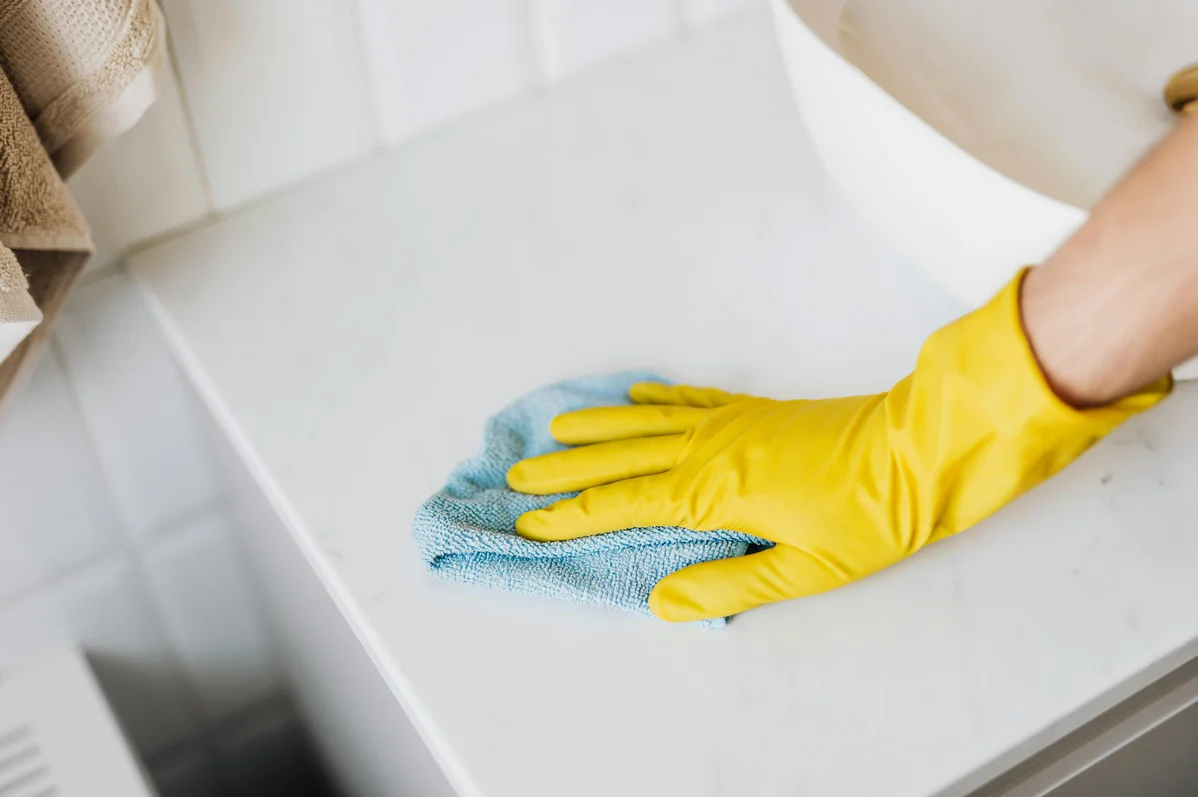
- Use damp cloths: Lightly dampen microfiber cloths to enhance dust capture and prevent particles from becoming airborne.
- Dust from top to bottom: Always start dusting from higher surfaces and work downwards to avoid redistributing dust.
- Wash after use: Clean microfiber cloths after each use to maintain their efficiency and prevent cross-contamination.
- Vacuum afterward: Vacuum your floors after dusting to ensure you capture any settled dust particles.
Tips for Effective Dusting
Effective dusting requires more than just the right tools. It involves a systematic approach. Begin by assessing the surfaces that need dusting. This includes high shelves, electronics, and baseboards. Using the right technique will ensure you remove as much dust as possible. Establish a regular dusting schedule. Dusting once a week helps prevent dust buildup and maintains a cleaner environment. Keeping to this routine is especially important for households with allergy sufferers. You can also use a vacuum cleaner with a HEPA filter to capture dust particles more well. Don’t forget to check your dusting tools regularly. Replace microfiber cloths and dusters when they become worn out. This ensures that your cleaning tools remain effective. Using worn tools can lead to ineffective cleaning and allow dust to escape back into the air.Frequently Asked Questions
How do microfiber cloths compare to feather dusters?
Microfiber cloths trap dust more effectively than feather dusters. A 2026 survey found that 70% of people prefer microfiber over feather dusters (Home Cleaning Association). Microfiber's fine fibers create a larger surface area, capturing more dust particles. This is especially important for homes with allergy sufferers. Using microfiber cloths can significantly reduce airborne allergens. Consider switching to microfiber for superior cleaning results.
What are the benefits of damp dusting?
Damp dusting provides a more thorough clean compared to dry dusting. Research shows that dampening cloths can reduce airborne dust by up to 50% (Allergy Research Institute, 2026). The moisture in the cloth helps trap dust particles effectively. This method is particularly beneficial for homes with dust allergies. Implementing damp dusting can improve indoor air quality significantly. Try using a damp microfiber cloth during your next cleaning session.
Can using a feather duster worsen allergies?
Using a feather duster can indeed worsen allergies by redistributing dust. A study in 2026 found that feather dusters spread allergens back into the air (Home Care Trends). When dust is stirred up, it can trigger allergic reactions. This is especially concerning for individuals with asthma or respiratory issues. Replacing feather dusters with effective alternatives can help reduce allergens. Consider switching to microfiber cloths to minimize allergy symptoms.
What cleaning tools should I use instead of feather dusters?
Effective alternatives to feather dusters include microfiber cloths and dusting wands. A 2026 report indicated that 40% of households use these alternatives (Home Care Trends). These tools trap dust rather than spreading it, making them more effective. This is crucial for maintaining a clean and healthy home environment. Households with allergy sufferers benefit significantly from these tools. Look for reusable microfiber options to reduce waste.
How often should I replace my cleaning tools?
Cleaning tools should be replaced regularly for optimal performance. Experts recommend replacing microfiber cloths every 3-6 months for best results. Worn-out tools lose their dust-trapping effectiveness (Allergy Research Institute, 2026). This can lead to increased dust and allergens in your home. Households with asthma or allergies should be particularly vigilant. Make a habit of checking and replacing your cleaning tools as needed. For background context, see Dacia Duster on Wikipedia.