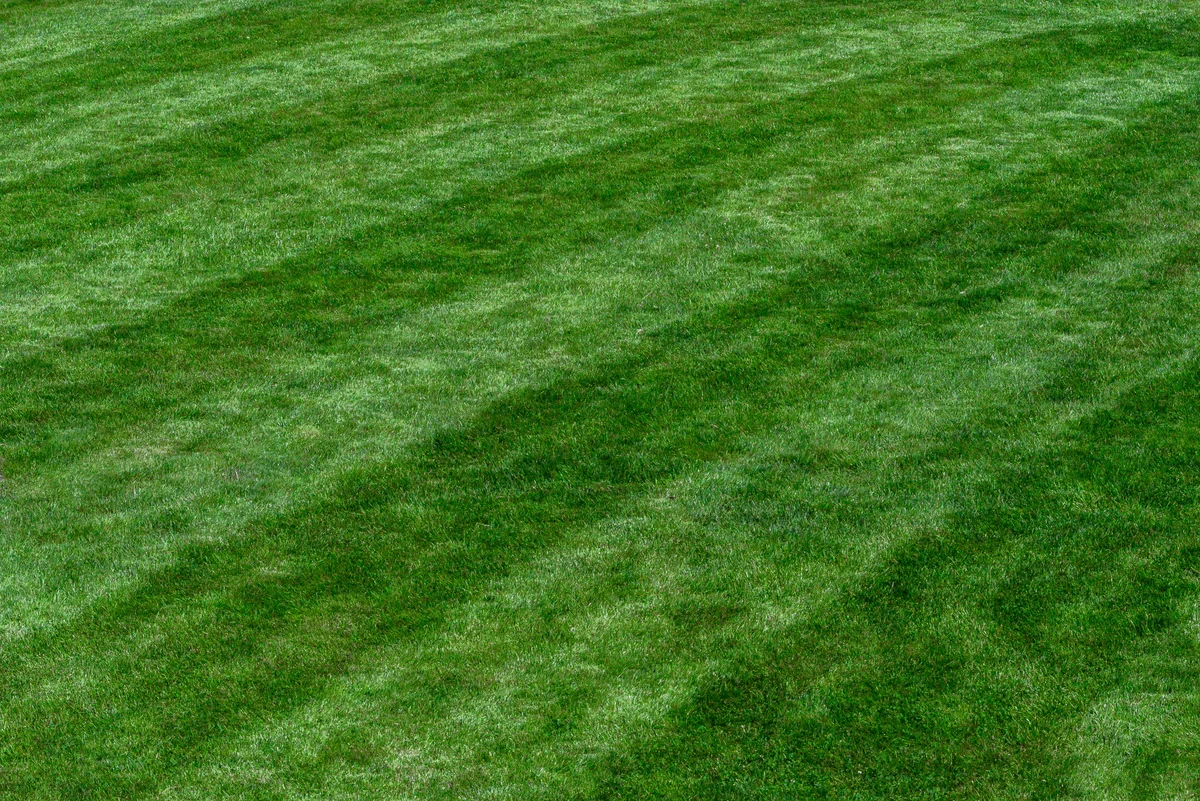
1. Understanding the One-Third Rule for Mowing
The one-third rule is a fundamental guideline for mowing. It states you should never cut more than one-third of the grass blade's height in a single mowing session. This rule is key because cutting too much can stress the grass, making it more susceptible to diseases and pests. For instance, if you want your grass to be 3 inches tall, you should mow it when it reaches 4.5 inches. Following this rule helps maintain healthy grass roots. When you cut too much grass, the roots can weaken, leading to yellow patches and decreased growth. This is especially important during warmer months when grass grows rapidly. By adhering to the one-third rule, you'll ensure your lawn remains healthy. Regular mowing also promotes denser grass coverage. Thicker grass can better compete with weeds, further enhancing your lawn's appearance. The one-third rule is not just about keeping grass short; it's about maintaining its health over time. Knowing how to apply the one-third rule can help you achieve a lush, green lawn. This simple guideline can prevent major lawn care issues while promoting long-term health and resilience.2. Mowing Frequency Based on Grass Type
- Identify your grass type: Determine if you have warm-season grass like Bermuda or cool-season grass like fescue.
- Check growth patterns: Observe when your grass grows fastest; warm-season grasses thrive in summer, while cool-season varieties grow in spring and fall.
- Mow regularly: For Bermuda grass, plan to mow every 5-7 days during peak growth, especially in summer.
- Adjust for height: Follow the one-third rule to avoid cutting more than a third of the grass height at once.
- Monitor weather conditions: Adjust your mowing schedule based on rainfall and temperature; a wet season may require more frequent mowing.
3. Seasonal Mowing Considerations
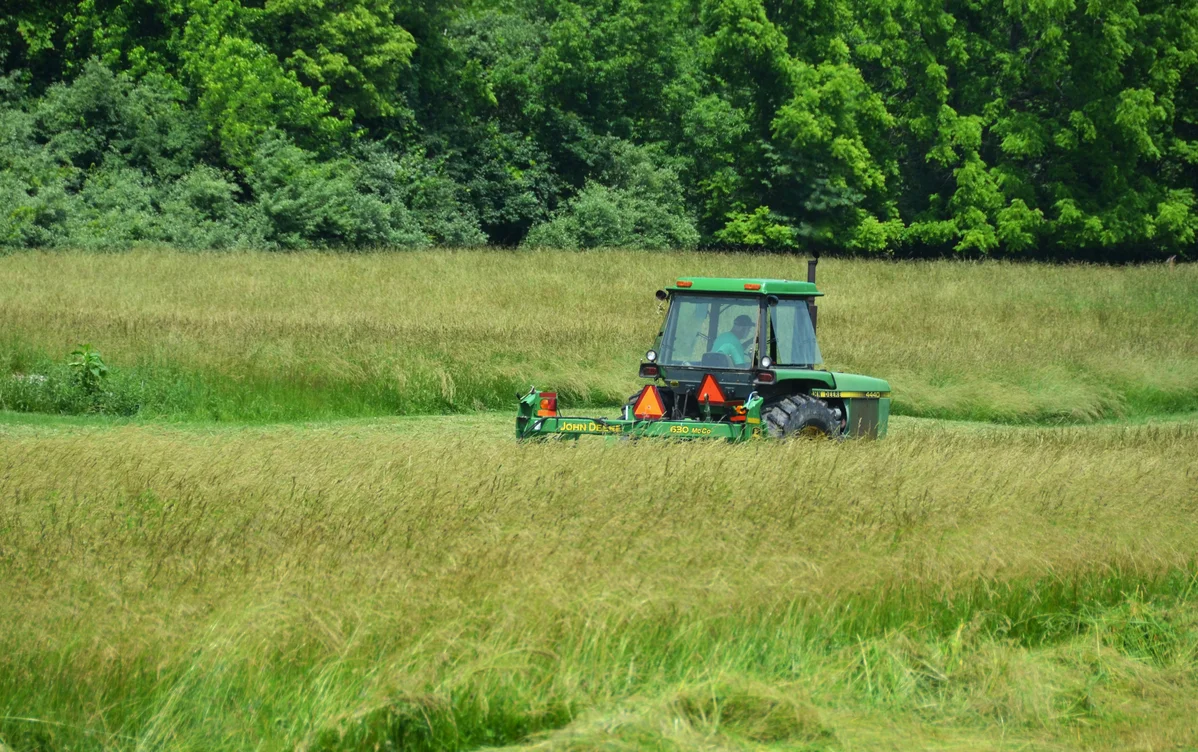
Mowing frequency should vary with the seasons. Grass growth typically accelerates in spring and summer, while it slows down in fall and winter. For healthy growth, you’ll likely need to mow more frequently during warmer months. This adjustment will keep your lawn looking its best throughout the year. Pro Tip: Mowing your lawn more than once a week during peak growth can reduce weed growth by up to 50%, according to Turf Management Journal (2026). During peak growing seasons, grass can grow several inches in just a few days. If left unchecked, it may surpass the recommended height, leading to the need for more drastic cuts. This can stress the grass and lead to yellowing and patchiness. By mowing often, you maintain healthier grass and prevent these issues. In colder months, you can reduce your mowing frequency. However, monitoring your grass type remains essential. Cool-season grasses may still require attention during fall, while warm-season types will slow down markedly. Adjusting your mowing schedule according to seasonal changes ensures that your lawn remains healthy all year round.4. Tips for Maintaining Lawn Health
Maintaining a lush lawn goes beyond just mowing. Regular fertilization is essential for replenishing nutrients that grass needs to thrive. A good fertilization schedule aligns with your mowing frequency, so plan to apply fertilizer after mowing to promote growth. Proper watering is another critical factor. Grass typically needs about 1 to 1.5 inches of water per week. This can vary based on rainfall, so adjust your watering schedule accordingly. Healthy grass requires consistent moisture, especially during dry periods. Plus, aerating your lawn can improve its health. Aeration involves perforating the soil to allow air, water, and nutrients to penetrate deeper. This practice can significantly enhance root development, leading to a lusher lawn. Aim to aerate your lawn at least once a year, preferably in the spring or fall. By implementing these maintenance tips, you can support your lawn's health alongside your mowing routine. A healthy lawn requires a direct approach, combining proper mowing, watering, and fertilization.
5. Common Mistakes to Avoid When Mowing
Mowing mistakes can lead to a damaged lawn. One common error is cutting grass too short, which can weaken roots. This often results in a yellow, unhealthy lawn. Always adhere to the one-third rule to prevent this issue. Another mistake is mowing wet grass. Mowing when the lawn is wet can lead to uneven cuts and clumping, which can smother the grass below. It’s best to wait until the grass is dry to achieve the best results. Using dull mower blades can cause more harm than good. Dull blades tear grass instead of cutting it cleanly, which can lead to stress and disease. Sharpen your mower blades regularly to ensure clean cuts. Avoiding these common mistakes is key for maintaining a lush lawn. Proper mowing techniques can significantly impact the health and appearance of your grass.Frequently Asked Questions
How often should I mow my Bermuda grass lawn?
Bermuda grass should be mowed every 5 to 7 days during its peak growth. This frequency ensures optimal growth and health. According to the Lawn Institute (2026), Bermuda grass requires regular maintenance. Frequent mowing encourages denser growth and minimizes weed competition. This applies especially during warm summer months when growth is rapid. Set a reminder to mow each week during these months for best results.
What is the one-third rule in lawn care?
The one-third rule states that you should never cut more than one-third of the grass height at once. Cutting too much can stress the grass and weaken it. The American Lawn Association (2026) emphasizes this guideline for lawn health. This rule helps maintain strong roots and promotes lush growth. It affects all grass types, especially during peak growth seasons. Always measure your lawn height to follow this rule effectively.
When is the best time to mow my lawn in spring?
The best time to mow your lawn in spring is when grass reaches about 3 to 4 inches tall. Mowing at this height encourages healthy growth and prevents weeds. A 2024 study from the Lawn Institute recommends this height for spring mowing. Early mowing can stimulate growth and improve lawn health. This advice applies to all grass types, especially cool-season varieties. Plan to mow regularly as the grass begins to green up in spring.
Can mowing too short damage my lawn?
Yes, mowing too short can severely damage your lawn. Cutting more than one-third of the grass height can weaken the roots. The American Lawn Association (2026) warns against this practice. Short grass struggles to retain moisture and nutrients, leading to stress. This is especially true during hot summer months or drought conditions. Always adhere to the one-third rule to keep your lawn healthy.
Is it better to mow in the morning or evening?
Mowing is generally better in the morning or late afternoon. Mowing during these times reduces the risk of heat stress on the grass. Turf Management Journal (2026) suggests avoiding midday mowing during peak heat. This practice helps maintain lawn health and reduces moisture loss. It applies to all grass types, especially in warmer climates. Choose a cooler time of day for best results when mowing. For background context, see Robotic lawn mower on Wikipedia.