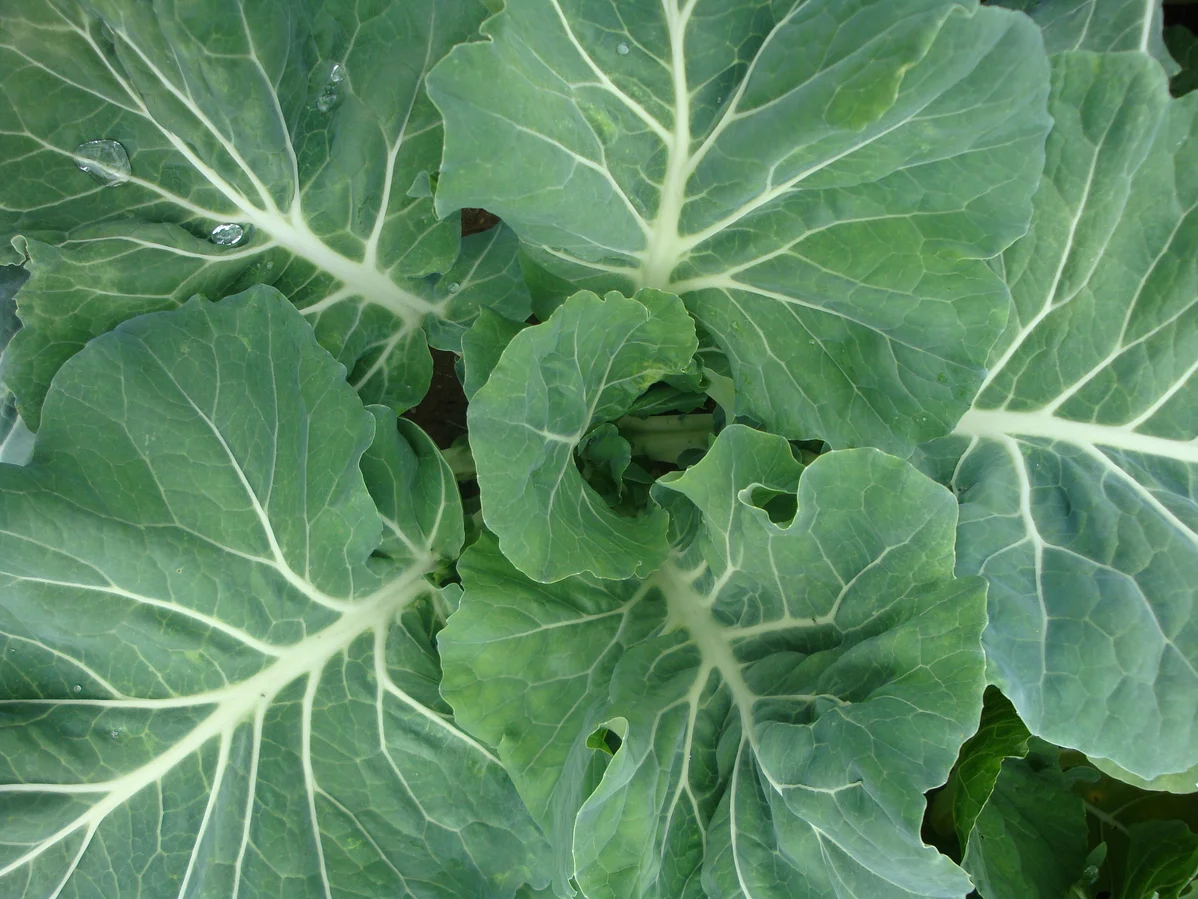
Kale Plant Basics You Should Know
Kale, scientifically known as Brassica oleracea, is a member of the Brassicaceae family. This leafy green thrives in full sun and prefers rich, well-draining soil. It can grow 2 to 4 feet tall and is known for its notable resilience. According to gardening expert Nate Muri from Garden Like a Viking, kale is not fussy and provides a high yield with minimal effort. Kale is incredibly versatile in the kitchen. You can enjoy it fresh, sautéed, or even baked into crispy chips. One big advantage of growing kale is that a single packet of seeds can yield multiple harvests throughout the season, making it a cost-effective choice. Chelsey Lenczyk from Bejo Seeds emphasizes that kale is a great investment, especially since you can harvest it as needed. Kale plants thrive in cooler temperatures, especially in the fall. Muri notes that kale harvested in cooler weather is often sweeter. This conversion of starches to sugars helps make fall kale particularly delicious. Understanding these basics will set you up for a successful harvest.Step-by-Step: How to Plant Kale
Planting kale can be done either indoors or directly in your garden. If you choose to start indoors, begin about six to eight weeks before the last expected frost date. Use a grow light or place seedlings outside during the day. When night temperatures stabilize in the upper 40s, you can leave them out overnight, according to Jeannine R. Bogard from Syngenta Vegetables. Alternatively, you can plant seeds directly in the ground about ½ inch deep. This method requires less pre-planning and can be done three to five weeks before the last frost. Space your kale plants about 12 to 18 inches apart in rows, or consider a checkerboard pattern to improve airflow and reduce the risk of pests and diseases. Pro Tip: Kale can be harvested multiple times in a season, making it a cost-effective choice for home gardeners. When planting in containers, choose larger pots, preferably five gallons, to accommodate the plant's growth. Start with five to ten seeds per container and thin them out to one or two vigorous plants when they reach six inches tall. Proper spacing and container size are crucial for healthy kale growth.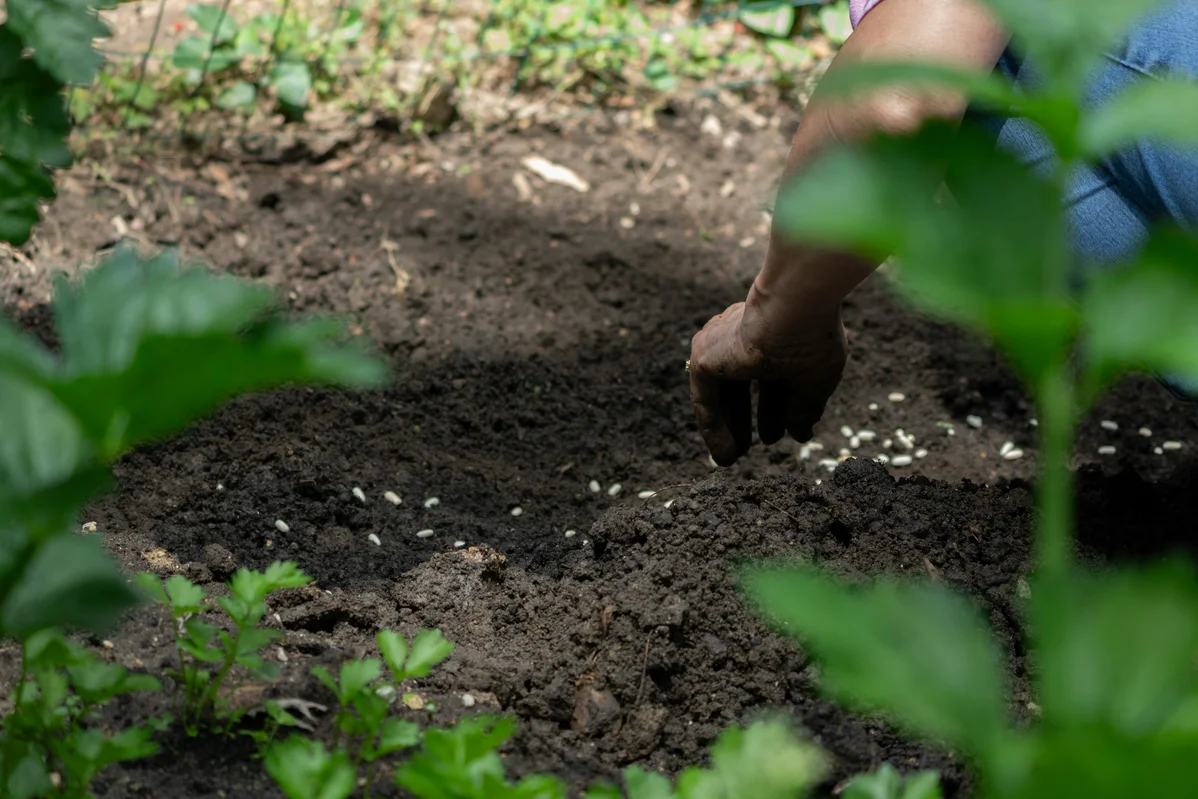
Best Practices for Growing Kale at Home
- Choose the right soil: Use loose, well-draining soil. Add compost if necessary for improved texture.
- Ensure proper sunlight: Place kale in a location with at least six hours of direct sunlight daily.
- Water adequately: Keep soil moist, providing one to two inches of water each week.
- Fertilize as needed: Apply a balanced fertilizer every four to six weeks for optimal growth.
- Monitor for pests: Check regularly for common pests like aphids and caterpillars, and take action immediately.
- Practice crop rotation: Avoid planting kale in the same spot year after year to reduce disease risk.
When and How to Harvest Your Kale
Kale can be harvested once the leaves are large enough to eat, usually around 55 to 75 days after planting. You can begin harvesting outer leaves while allowing the inner leaves to continue growing. This method promotes ongoing production throughout the season. Harvesting in cooler temperatures is key, as Muri notes that kale becomes sweeter when grown in fall. If you time your harvest right, you can enjoy the best flavor. Use a sharp knife or scissors to cut leaves at their base to avoid damaging the plant. It’s essential to harvest regularly. This encourages new growth and prevents the plant from bolting, which happens when it flowers and goes to seed. If you notice any damaged leaves, remove them promptly to keep the plant healthy and productive.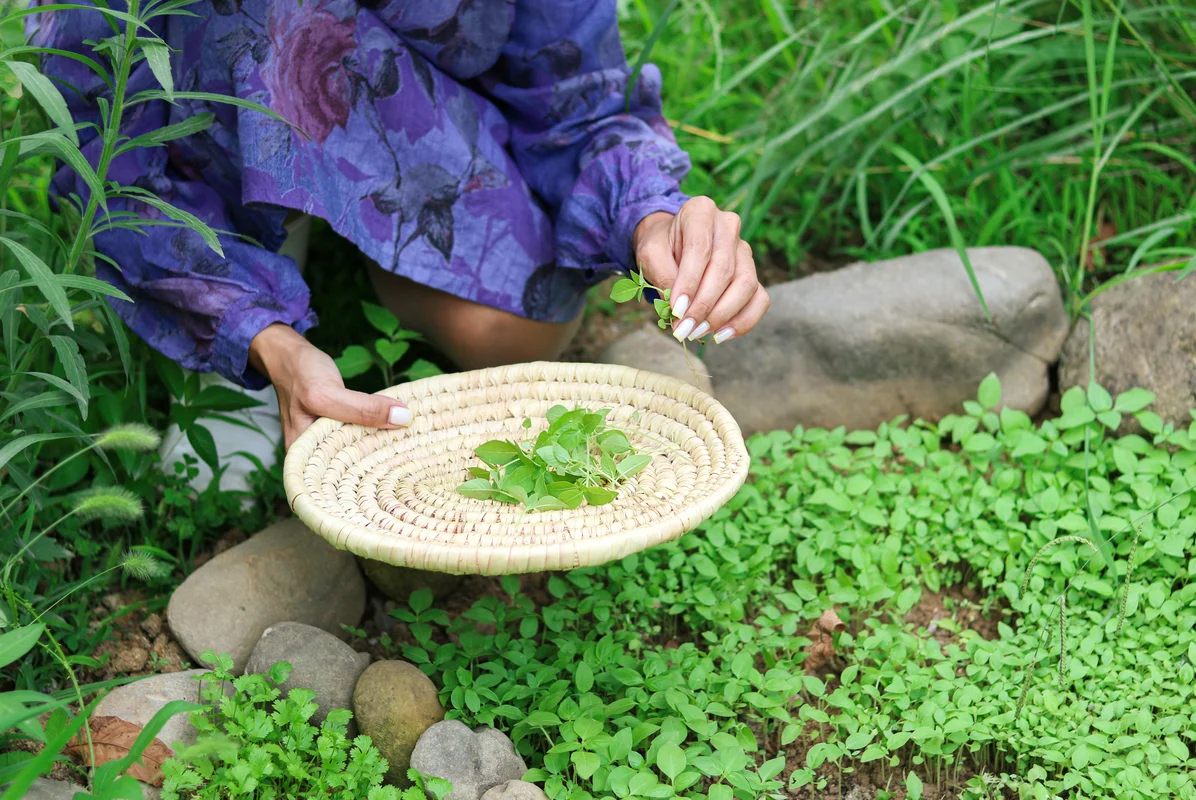
Common Problems When Growing Kale
Growing kale can come with its share of challenges. One common issue is pest damage, particularly from aphids and caterpillars. These pests can quickly damage leaves and reduce yield. To combat this, regularly inspect your plants and use organic pest control methods when necessary. Another problem is poor soil drainage, which can lead to root rot. Kale prefers well-draining soil, so consider adding compost or using raised beds if your soil retains too much water. Proper spacing between plants can also improve airflow, reducing the risk of fungal diseases. Additionally, kale can suffer from nutrient deficiencies, particularly nitrogen. If leaves appear yellow, you may need to fertilize. Regularly testing your soil can help you understand its nutrient profile and guide your fertilization efforts. Addressing these common issues early can help ensure a successful kale harvest and a more enjoyable gardening experience.Frequently Asked Questions
What is the best time to plant kale?
Kale should be planted in late spring or early summer for optimal growth. In most regions, this means sowing seeds from late April to early August. The 2026 gardening guidelines suggest planting during these months for the best results. Cooler temperatures help kale grow sweeter and more flavorful. Home gardeners can enjoy fresh kale throughout the growing season. Consider starting seeds indoors six weeks before the last frost for earlier harvests.
How long does it take for kale to grow?
Kale typically takes about 55 to 75 days to reach maturity. This timeframe can vary based on the variety and growing conditions. According to Nate Muri from Garden Like a Viking, cooler temperatures can speed up growth. Kale thrives in these conditions, allowing for quicker maturation. Gardeners can enjoy the first harvest in about two months after planting. Regular harvesting can extend your yield throughout the season.
Can kale be grown indoors?
Kale can indeed be grown indoors with proper care. A sunny windowsill or grow light can provide the necessary light for healthy growth. In 2026, many indoor gardeners are successfully cultivating kale year-round. This indoor gardening method allows for fresh greens even in winter months. Make sure to use a well-draining potting mix for best results. Regular watering is essential to keep the soil moist but not soggy.
What are the most common pests that affect kale?
The most common pests affecting kale are aphids and caterpillars. These pests can quickly damage leaves and reduce your harvest. Research in 2026 indicates that organic pest control methods can be very effective. Regular inspections and prompt action can keep your plants healthy. This is particularly important during the early stages of growth. Home gardeners should be vigilant to prevent infestations.
Is kale safe for pets?
Kale is generally safe for pets, but it should be given in moderation. Some sources recommend limiting kale intake for dogs and cats. In 2026, veterinarians note that while kale is not toxic, excessive amounts can cause digestive issues. Always consult your vet if you're unsure about your pet's diet. Kale can be a healthy treat for pets, but it shouldn't be their main food. Moderation is key to keeping your furry friends safe. For background context, see At Home on Wikipedia.