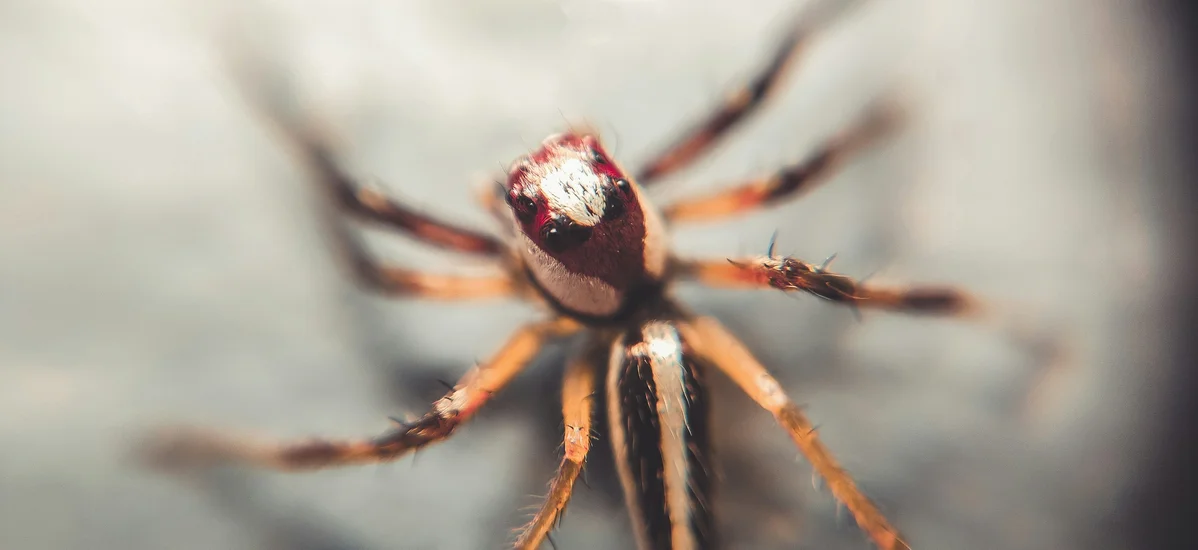
1. Identifying a Brown Recluse Spider
Identifying a brown recluse spider accurately is essential for your safety. These spiders have distinct traits that set them apart from other common spiders. They are usually light brown to yellow-brown and can have a dark violin-shaped mark on their back. Their legs are solid brown and free of any stripes or spots. One of the most important identification traits is their eye structure. Unlike most spiders, which have eight eyes, brown recluses only have six. These are arranged in three pairs. This unique feature can help you confirm whether you've encountered a brown recluse or a harmless look-alike. If you suspect you've found a brown recluse, observe it from a safe distance. Avoid touching it, as this can provoke a bite. If you're unsure, consult resources from pest management experts or local entomology departments to confirm your identification. Knowing how to identify brown recluses can help you avoid unnecessary panic. It can also ensure you take the right steps to handle the situation.2. Safe Removal Techniques for Brown Recluses
When you need to remove a brown recluse spider, do so with caution. Start by containing the spider in a jar. Place the jar over the spider and slide a piece of paper under it. This method keeps you at a safe distance while trapping the spider inside. Pro Tip: Properly identifying a brown recluse can prevent unnecessary panic; it has six eyes and a violin-shaped mark, according to pest management experts. Once contained, you have a couple of options for safely eliminating the spider. One method is to add rubbing alcohol to the jar. This will kill the spider quickly. Another option is to place the jar in your freezer overnight to ensure its demise. If you're uncomfortable handling the spider yourself, consider using glue traps around your home. Place these traps in areas where you suspect spiders may hide. This method helps you monitor the situation without direct contact. Always remember to wear protective clothing and shoes when performing these tasks. This precaution will help you avoid accidental bites while ensuring safe removal of the spider.
3. Preventing Brown Recluse Spiders in Your Home
- Clear clutter: Remove piles of debris or clutter inside and outside your home within one week.
- Seal entry points: Check windows, doors, and cracks for gaps and seal them within three days.
- Maintain your yard: Trim shrubs and remove dead plants regularly to deter spiders.
- Store items carefully: Use airtight containers for storing clothes and linens, ideally within one month.
- Reduce outdoor habitats: Relocate wood piles and rocks at least 20 feet away from your home.
4. What to Do If You're Bitten
If you're bitten by a brown recluse spider, take immediate action. The first step is to wash the bite area thoroughly with soap and water to prevent infection. After cleaning, apply a cool compress to the bite site. This can help reduce swelling and discomfort. Monitor the bite for signs of severe symptoms, such as increasing redness, pain, or blistering. While only a small percentage of bites cause serious damage, it's vital to be vigilant. In 2024, the University of California Integrated Pest Management Program reported that immediate medical attention may be necessary for severe cases. If you experience significant pain or notice any systemic symptoms, seek medical help right away. Early treatment can make a big difference in the healing process. Remember, knowing how to handle brown recluse spiders can prepare you for these situations.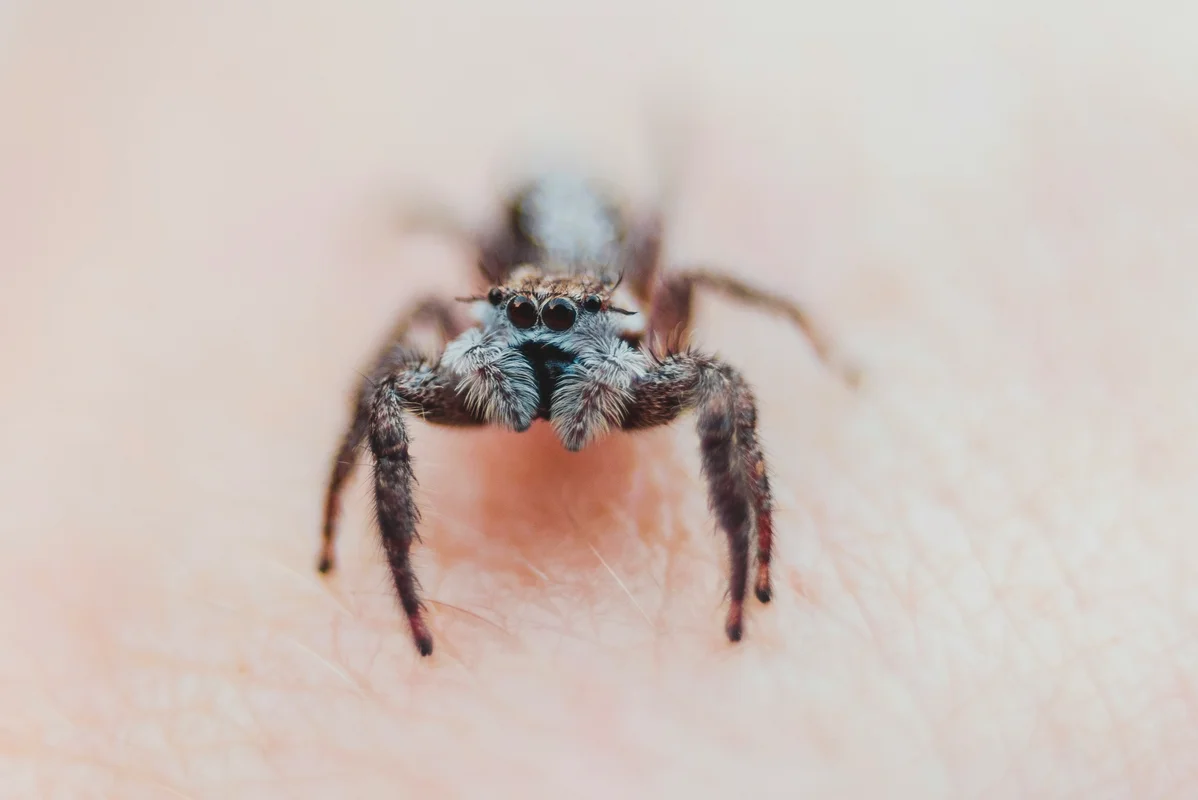
5. Myths About Brown Recluse Spiders
Many myths surround brown recluse spiders, often leading to unnecessary fear. One common myth is that all brown spiders are dangerous. In reality, not every brown spider is a brown recluse. Familiarizing yourself with the specific traits can prevent misidentification and undue panic. Another myth is that brown recluse bites are always serious and life-threatening. In fact, only about 10% of bites lead to significant health issues. Most bites cause mild reactions, and many people recover without medical intervention. Some believe that brown recluse spiders are highly aggressive and will bite without provocation. This is not accurate; bites usually occur when they feel threatened. Understanding these myths can help you respond more appropriately when you encounter a brown recluse spider.Frequently Asked Questions
How can I identify a brown recluse spider?
Brown recluse spiders have distinct features that set them apart. They have six eyes, arranged in three pairs, unlike most spiders with eight eyes. According to the University of California Integrated Pest Management Program, this characteristic is unique. Their violin-shaped mark on the back also helps in identification. This information is crucial for anyone who may encounter them. To ensure safety, observe spiders from a distance before approaching.
What should I do if bitten by a brown recluse?
If bitten by a brown recluse, wash the bite area with soap and water. Only about 10% of bites result in serious complications. The University of California Integrated Pest Management Program states that monitoring for symptoms is essential. Bites can lead to pain and swelling, requiring medical attention. Anyone experiencing severe symptoms should seek help immediately. To minimize risks, keep your environment free of spiders.
Can I prevent brown recluse spiders from entering my home?
You can prevent brown recluse spiders by sealing entry points around your home. Studies indicate that maintaining a clean environment reduces the likelihood of encounters. According to pest management experts, regular yard maintenance is also vital. Eliminating hiding spots decreases the chance of spiders entering your space. This applies to anyone living in areas where these spiders are common. Taking proactive steps can significantly enhance your safety.
Is it safe to kill a brown recluse spider?
It is generally safe to kill a brown recluse if necessary. Many experts recommend this, especially if you have kids or pets. The University of California Integrated Pest Management Program advises caution when handling spiders. Use safe removal methods to avoid bites during the process. This guidance applies to anyone who feels threatened by the spider. Always prioritize safety and use protective gear when necessary.
When are brown recluse spiders most active?
Brown recluse spiders are most active during warm months, typically from April to October. Research shows that they prefer warm, dry environments, making homes ideal habitats. According to pest experts, they seek shelter in hidden areas. This information is crucial for homeowners during the warmer seasons. Knowing this can help you stay vigilant and reduce spider encounters. Regular inspections can lower the chances of finding them in your home. For background context, see Recluse spider on Wikipedia.