Step 1: Gather Your Materials
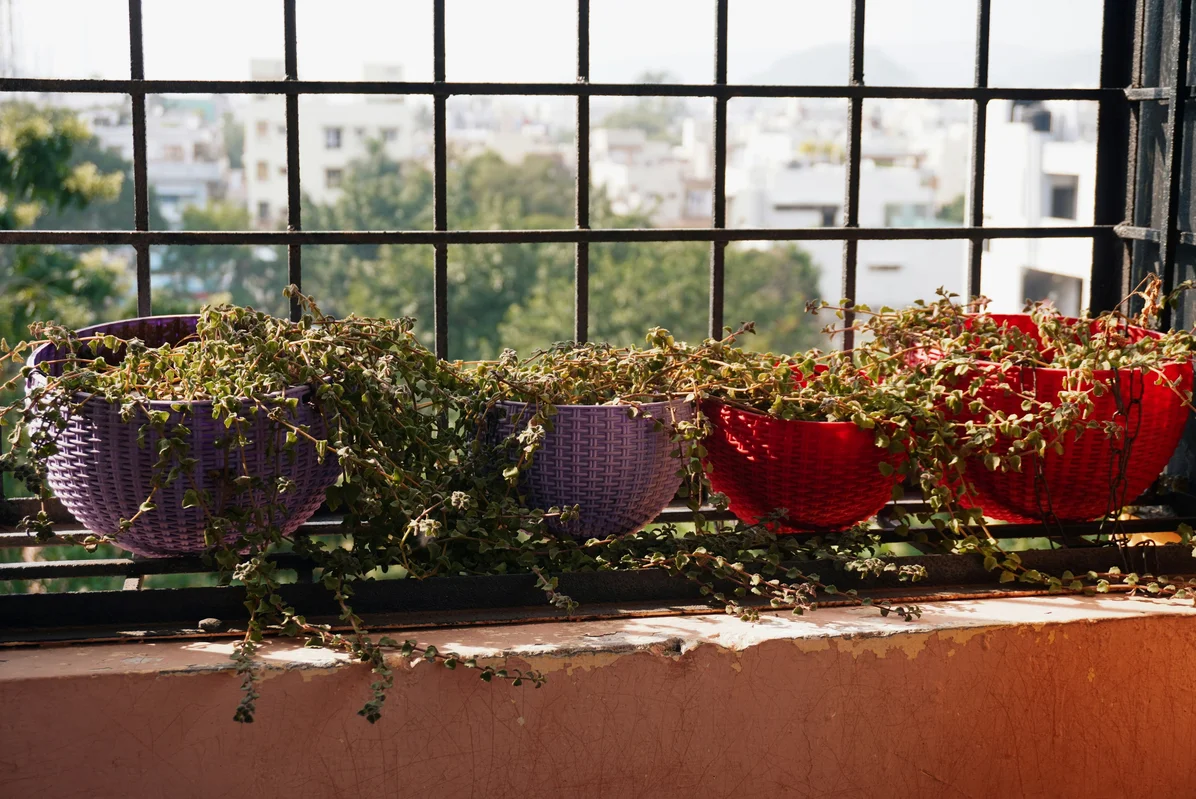
- Choose a planter: Select an old hanging planter made of metal or durable plastic. Make sure it's clean and free of any old soil.
- Get hummingbird feeders: Purchase or repurpose at least three small hummingbird feeders. Ensure they're in good condition for the birds.
- Collect decorative items: Gather paint, ribbons, or beads to personalize your feeder. These items can enhance its appearance and attract hummingbirds.
- Prepare your tools: Have spray paint, a brush, and scissors ready for decorating. This will make the process smoother and faster.
Step 2: Prepare the Planter
To start, you need to prepare your old hanging planter. First, remove any coir liner if it’s still inside. Clean the planter thoroughly to ensure it's safe for the birds. If you want, you can also paint the planter. Red is a great color choice because it attracts hummingbirds. Pro Tip: Cleaning your hummingbird feeder every 2-3 weeks can significantly reduce harmful bacteria, ensuring a safe feeding environment for birds. Once the planter is clean, move the chains from the top to the bottom. This adjustment is necessary since you'll hang the planter upside down. You can leave it as is or add some paint. Make sure to let it dry completely before proceeding. Decorate the planter with beads or ribbons. Strands of beads hanging down can add visual interest. You can also tie red ribbons around the feeder hooks to catch the attention of the hummingbirds. These small touches make your feeder more attractive.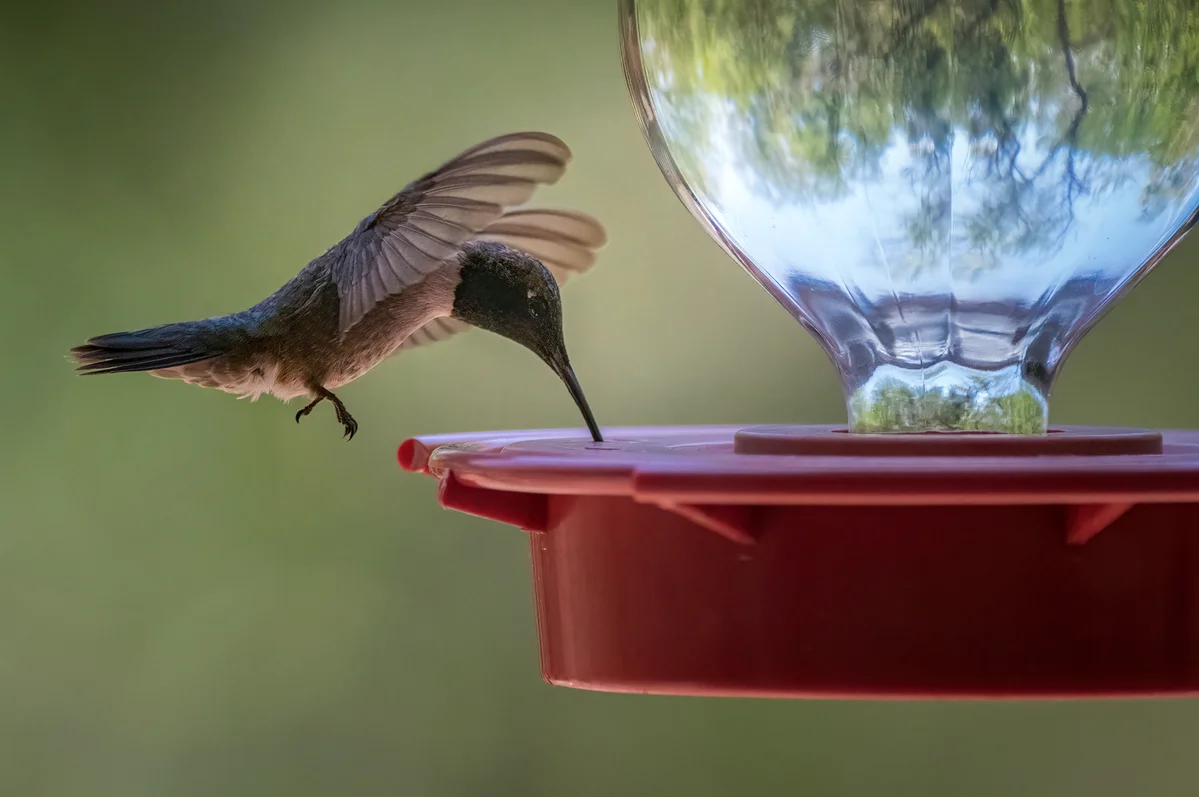
Step 3: Hang the Feeders
Now it's time to hang your new hummingbird feeder system. Choose a location that’s about 10 to 15 feet away from trees or shrubs. This distance helps the birds feel safe while feeding. A tree branch or a shepherd's hook works well for hanging. Mount the planter first, ensuring it's secure. Space the hummingbird feeders evenly along the rim of the planter. This balance is crucial for aesthetics and functionality. Once the feeders are in place, check that they are stable. Consider creating a small hummingbird garden nearby. Adding flowers that attract hummingbirds can increase the number of visitors to your feeder. Plants like bee balm and salvia are excellent choices. By making your garden inviting, you'll enjoy watching more of these beautiful birds.Step 4: Add Decorative Touches
Enhancing the appearance of your hummingbird feeder can make it a focal point in your garden. You can paint the planter in bright colors or add patterns that reflect your style. Bright colors, especially red, help attract hummingbirds and catch the eye of passersby. You can also incorporate decorative elements like wind chimes or hanging crystals. These add movement and sparkle, drawing attention to your feeder. Consider using eco-friendly materials for decorations to maintain the sustainable theme. Adding a small sign near your feeder can make it a talking point. You can write about the types of hummingbirds that might visit. This adds an educational aspect for guests while showcasing your DIY skills.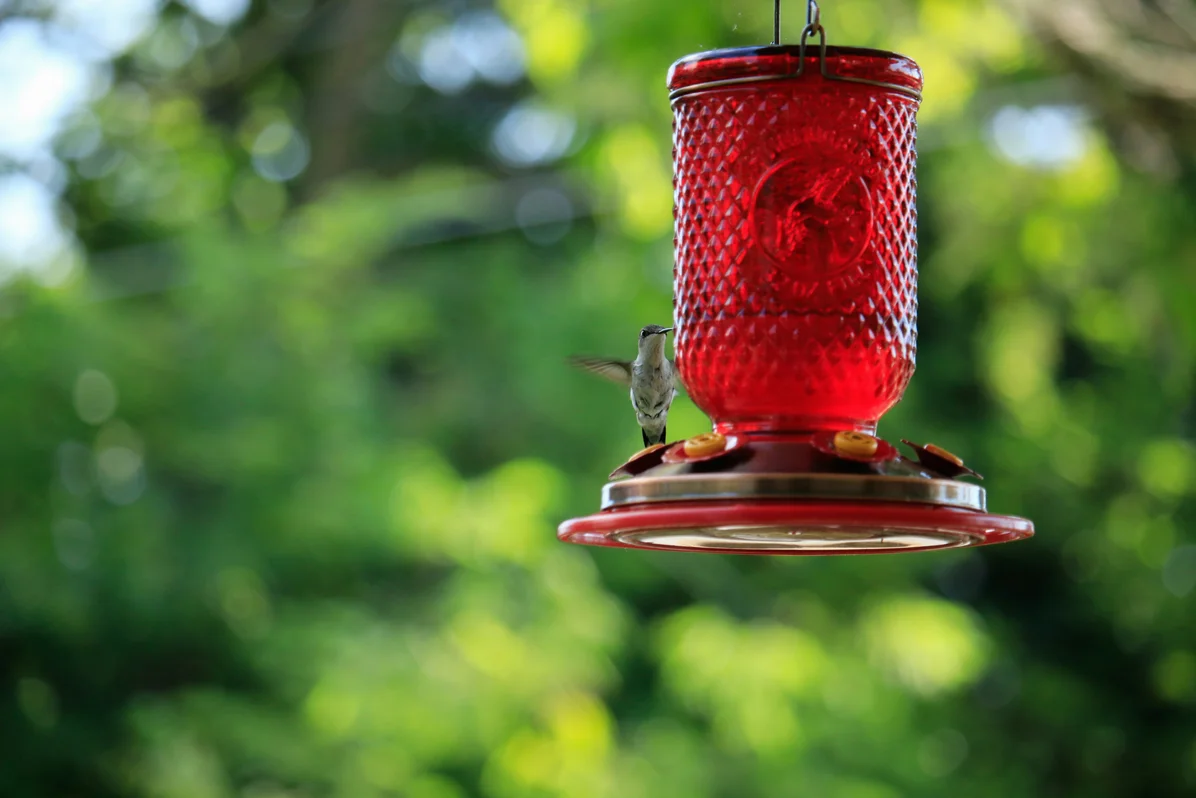
Step 5: Find the Perfect Spot
Choosing the right location for your hummingbird feeder is vital for attracting birds. Look for a spot with partial shade to prevent the nectar from spoiling. Too much sun can cause fermentation, making the food unsafe for the birds. Ensure the area is quiet and away from heavy foot traffic. Hummingbirds prefer to feed in peace. If possible, position the feeder where you can easily watch the birds without disturbing them. After hanging the feeder, observe how the birds respond. If you notice they're not visiting, consider adjusting the location. Sometimes, moving it just a few feet can make a big difference in attracting hummingbirds.Frequently Asked Questions
How do I clean my hummingbird feeder?
Cleaning your hummingbird feeder is crucial for the birds' health. It’s best to clean it every 2-3 weeks. The CDC recommends this routine to prevent bacteria buildup (CDC, 2026). Mold or fermented nectar can be harmful to the birds. Regular cleaning ensures a safe feeding environment. Use warm, soapy water and a brush to scrub the feeder thoroughly.
What type of feeder attracts the most hummingbirds?
Glass hummingbird feeders are known to attract the most birds. An estimated 70% of bird watchers prefer glass feeders for their durability. According to wildlife studies, glass feeders are easier to clean (National Audubon Society, 2026). Their transparent design allows for easy nectar visibility. This encourages birds to visit more frequently. Choose a feeder with bright colors to enhance attraction.
When is the best time to put out hummingbird feeders?
The best time to put out hummingbird feeders is in early spring. Timing is crucial, as hummingbirds migrate back around March to April. Research from the National Wildlife Federation suggests this timing for optimal attraction (NWF, 2026). Setting feeders out early helps catch the first arrivals. This ensures that they have a reliable food source. Aim to have your feeder ready before the birds return.
Can I use regular sugar for hummingbird nectar?
Yes, you can use regular granulated sugar to make nectar. A mixture of one part sugar to four parts water works best. The National Audubon Society recommends this ratio for effective nectar (NAS, 2026). Avoid using food coloring, as it can be harmful to the birds. This simple recipe provides the energy they need. Make sure to mix it well until the sugar dissolves completely.
How often should I refill my hummingbird feeder?
Refilling your hummingbird feeder is essential for keeping the nectar fresh. It's recommended to refill it every 3-4 days during peak feeding times. According to wildlife experts, feeders should be monitored closely in hot weather (Wildlife Conservation Society, 2026). If the nectar looks cloudy or has debris, clean and refill it immediately. Regular refilling keeps the birds healthy and happy. Always check the feeder at least twice a week.