
1. What is Curcumin and How Does it Help?
Curcumin is the active compound in turmeric known for its anti-inflammatory effects. Research from 2026 shows curcumin can improve joint comfort. This is especially true for those with age-related stiffness. It works by reducing inflammatory markers in the body. This helps alleviate pain and enhance physical function. Many people find that curcumin can be as effective as conventional treatments for knee osteoarthritis pain. It does this without the gastrointestinal side effects. This is good for those seeking natural alternatives to manage their joint discomfort. Curcumin alone has low bioavailability. This means your body struggles to absorb it. To enhance absorption, consider pairing turmeric with black pepper. Black pepper contains piperine. This combination can increase curcumin's power by up to 2000%. You can easily incorporate turmeric into your diet. Add it to soups, smoothies, or use it in golden milk lattes. Supplementation might also be good for those needing higher doses.2. The Role of Omega-3 Fatty Acids in Joint Health
- Choose fatty fish: Aim for two servings of fatty fish like salmon or mackerel each week to boost omega-3 intake.
- Incorporate chia seeds: Add chia seeds to smoothies or oatmeal for a plant-based omega-3 source.
- Consider supplements: If you don't eat enough fish, omega-3 supplements can fill the gap well.
- Track your intake: Keep a food diary for two weeks to monitor your omega-3 consumption and adjust as needed.
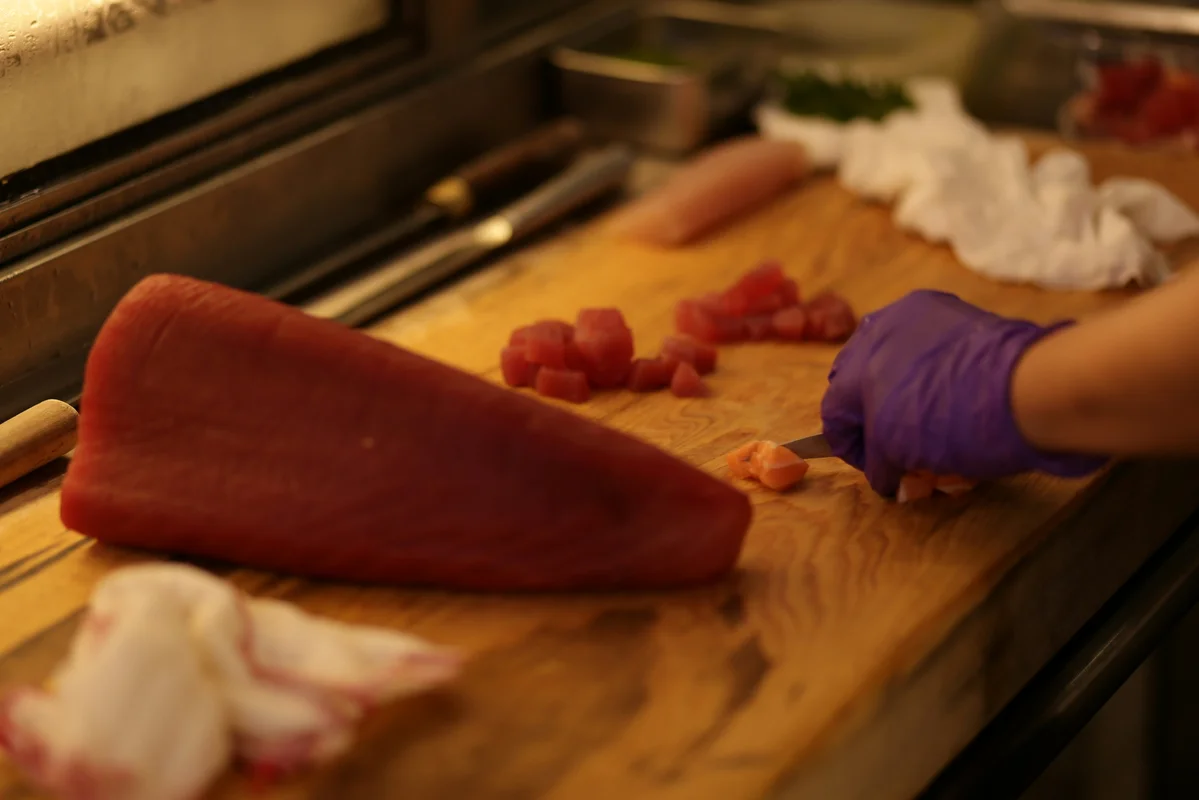
3. Why Vitamin D is Key for Joint Mobility
Vitamin D is vital for maintaining joint health and mobility. A deficiency in vitamin D is linked to increased joint pain. This was shown in a 2026 study published in the Journal of Orthopaedic Research. This nutrient helps regulate calcium, which is essential for bone health and joint function. Low vitamin D levels can lead to weakened bones and increased pain during movement. This is especially relevant for older adults. They may not get enough sun contact to produce adequate vitamin D. Regularly checking vitamin D levels can help identify deficiencies. Pro Tip: Incorporating curcumin with black pepper can increase its absorption by up to 2000%, according to recent studies. Ensuring adequate vitamin D intake is essential for anyone experiencing joint pain. You can increase your levels by spending time outdoors in the sunlight. Consuming vitamin D-rich foods like fortified cereals, fatty fish, and egg yolks can also help.4. Best Food Sources for Joint Health Nutrients
Many foods can help reduce joint pain and stiffness. Fatty fish, such as salmon and sardines, are rich in omega-3 fatty acids. These fish are essential for reducing inflammation and improving joint comfort. Aim for at least two servings of fatty fish each week. Turmeric is another powerful food for joint health. It contains curcumin, which has proven anti-inflammatory properties. Adding turmeric to your meals can be an easy way to enhance your diet. Vitamin D can be found in fortified dairy products, fatty fish, and mushrooms exposed to UV light. Ensuring you get these foods in your diet can help you maintain adequate nutrient levels for optimal joint health. Consider making a meal plan that includes these food sources to support your joints.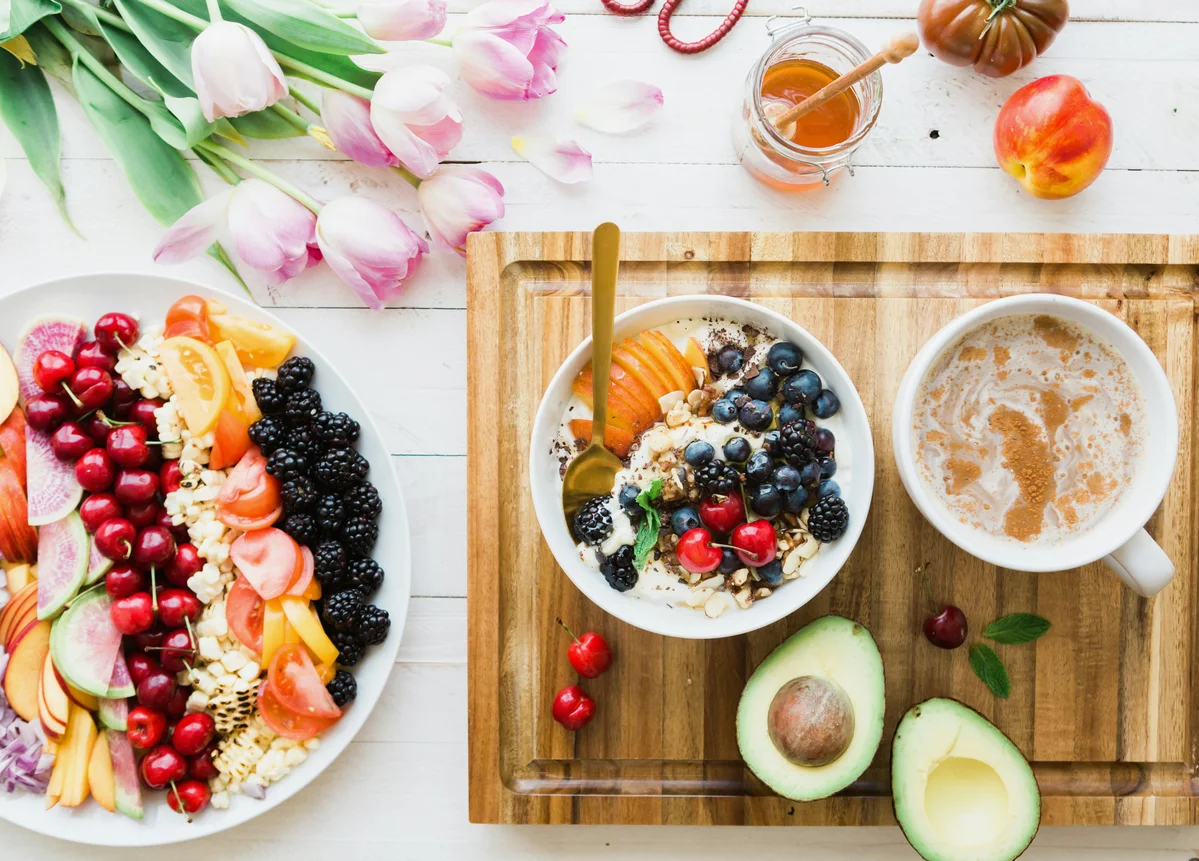
5. How to Incorporate These Nutrients into Your Diet
Incorporating these nutrients into your daily meals can be simple and enjoyable. Add turmeric to your cooking. It works well in soups, stews, and even smoothies. This adds flavor and boosts your intake of curcumin. Next, focus on including fatty fish twice a week. Grilling or baking fish is an easy way to prepare it. Try pairing it with vegetables for a nutritious meal. Vitamin D can be added through fortified foods or supplements. If you struggle to get enough from food, consider taking a vitamin D supplement. Regularly checking your vitamin D levels can help you stay on track. You can adjust your intake as needed. Lastly, keep experimenting with recipes that include these ingredients. This will make your meals exciting and ensure you’re getting the right nutrients for joint pain relief.Frequently Asked Questions
How does curcumin help with joint pain?
Curcumin reduces inflammation, helping alleviate joint pain. A 2026 study showed it improves joint comfort and mobility. This finding comes from Integrative Health. Curcumin works by lowering inflammatory markers in the body. People with arthritis may benefit from its effects. Consider adding turmeric to your meals for better joint health.
What are the best food sources of omega-3 fatty acids?
Fatty fish like salmon and sardines are excellent sources of omega-3s. Research indicates that those who consume more omega-3s experience less joint pain. This data comes from Nutrition Reviews in 2026. Omega-3s help reduce inflammation throughout the body. This is particularly relevant for active adults or those with joint issues. Aim for two servings of fatty fish per week to boost your intake.
Can vitamin D deficiency affect joint health?
Yes, vitamin D deficiency can lead to increased joint pain. A 2026 study found a direct link between low vitamin D levels and joint issues. The Journal of Orthopaedic Research published these findings. Vitamin D is key for calcium regulation, impacting bone health. Older adults are especially at risk for deficiency. Consider spending more time outdoors and eating fortified foods.
Is turmeric effective for joint stiffness?
Turmeric, particularly its active compound curcumin, is effective for joint stiffness. Research shows it can reduce inflammatory markers in the body. This conclusion was drawn in a 2026 study by Integrative Health. Curcumin helps improve mobility and function for those with stiffness. It is especially beneficial for older adults. Incorporate turmeric into your diet for better joint health.
When should I take these nutrients for the best effect?
Taking nutrients like curcumin and omega-3s regularly is key. Research suggests consistent intake leads to better results. For instance, omega-3s should be part of your diet twice a week. Timing can vary, but pairing curcumin with meals enhances absorption. This is particularly effective with black pepper. Establishing a routine can help maintain optimal joint health. For background context, see Pain management on Wikipedia.