
1. Swing Your Arms for Better Walking Mechanics
Walking mechanics can be improved significantly by focusing on your arm movement. Here’s how to optimize your walks by swinging your arms:- Relax your shoulders: Keep them down and away from your ears for a relaxed posture.
- Swing your arms: Let your arms swing naturally at your sides as you walk. Aim for a 90-degree angle at your elbows.
- Coordinate movement: Ensure that your arm swings in sync with your legs. When your right leg moves forward, your left arm should swing forward.
- Increase the range: Swing your arms back slightly to increase the momentum and help move your body forward.
2. Walk Taller to Improve Efficiency
Walking taller is a straightforward yet effective way to enhance your walking efficiency. By elongating your spine, you can improve your stride length and energy use. This means less effort for the same distance, which is key for longer walks. Pro Tip: Walking taller can increase your efficiency by over 15%, drastically improving your overall health, according to fitness experts. When you stand tall, you stretch your fascia, which is the connective tissue around your muscles. This stretch allows for a "free return" of energy, much like a rubber band. Slouching or sinking into your body robs you of this energy, making walking harder than it needs to be. Maintaining an upright posture also helps your body align properly, reducing the risk of injury. A taller stance improves not just your walking efficiency but also your overall physical health. By focusing on your posture, you can maximize the benefits of your walking routine.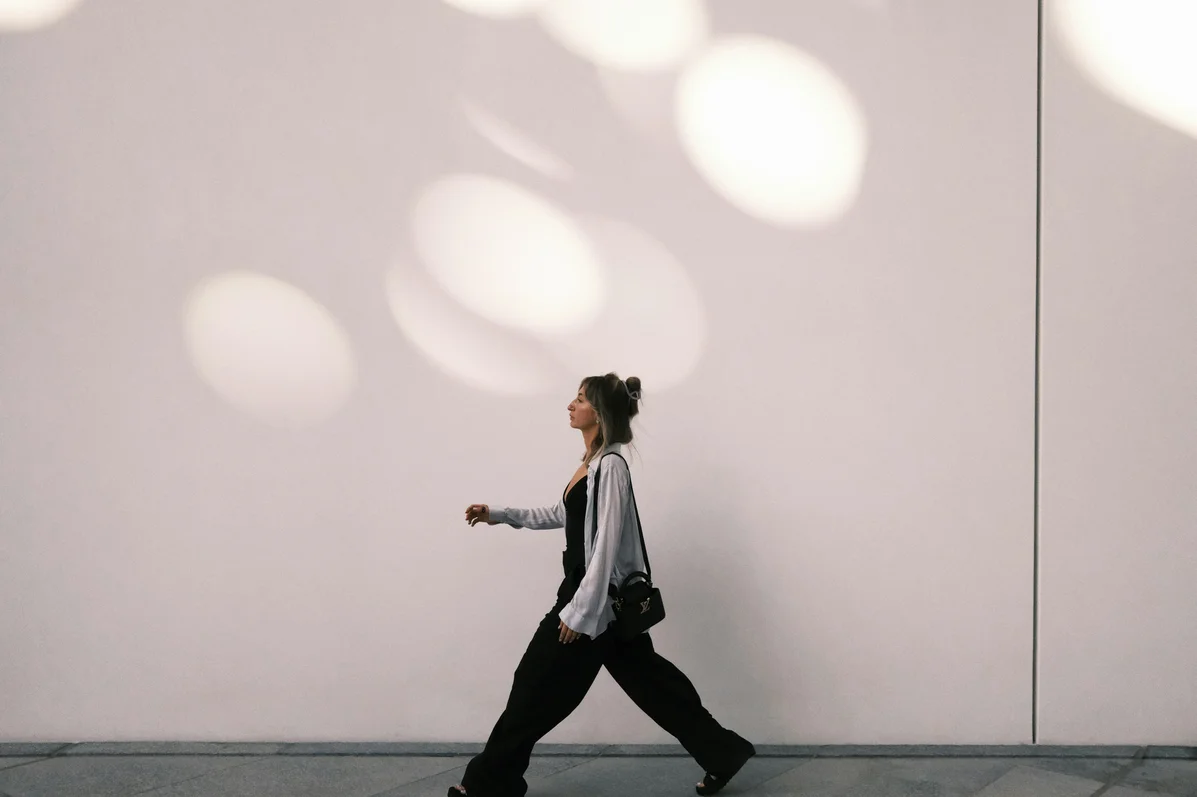
3. Walk Softer for Shock Absorption
Walking softly can greatly enhance your walking experience and reduce the risk of injury. Heavy footfalls are a sign that your mechanics may need adjustment. When you walk softly, you naturally bring your foot closer to your center of mass. This adjustment improves shock absorption with each step. When you lighten your footfalls, your body can absorb the impact better. This reduces stress on your joints, which is key for maintaining long-term mobility. Focusing on softer steps also encourages a more natural gait. You’ll find your body moves fluidly, enhancing your overall efficiency. Walking softly helps you become more aware of your surroundings. You'll notice more details, which can make your walks more enjoyable. This mindfulness can also improve your mental health, making walking not just a physical activity but a mental one too.4. Graze Your Heel for Proper Gait
A proper walking gait starts with how you land your foot. Grazing your heel on the ground is essential for a smooth walking motion. This technique encourages a natural inward roll of your foot, known as pronation, which is vital for shock absorption. When you graze your heel, your foot stays closer to your center of mass. This helps you avoid overstriding, which can lead to injury. A gentle heel strike initiates the shock absorption process, creating a chain of positive effects throughout your body. Visualizing this process can help you implement it effectively. Think of your foot rolling from the outside heel across the ball and pushing through the big toe. This pattern improves your walking efficiency and enhances your overall physical health.
5. Incorporate Walking Poles for Support
Using walking poles can provide extra support and enhance your walking experience. They help distribute weight more evenly, making it easier to walk longer distances. Walking poles can promote better posture and help engage your upper body. When you use poles, you can maintain an upright posture more easily. This can prevent back strain and improve your overall walking form. Poles can help with balance, especially on uneven terrain, making your walks safer. They also allow for a more vigorous workout by engaging your arms and shoulders. This increases your calorie burn and helps improve muscle tone. If you're looking to enhance your walking routine, consider adding poles for extra support and benefits.Frequently Asked Questions
How can I make my walking more effective?
To make your walking more effective, focus on your arm movement and posture. Studies show a 15% increase in efficiency with proper technique (Wachob, 2026). Improved posture and arm swing engage more muscles, enhancing energy use. This applies to anyone looking to improve their walking routine. Practice swinging your arms while maintaining an upright posture.
What is the proper walking posture for health?
Proper walking posture involves standing tall with an elongated spine. Research indicates that walking taller can boost efficiency by over 15% (Conley, 2026). This improved posture allows for better energy use and reduces injury risk. It benefits anyone who walks regularly or seeks to enhance their routine. Focus on maintaining an upright stance while walking to maximize benefits.
Why should I walk softer?
Walking softly reduces impact on your joints and improves shock absorption. Studies indicate that lighter footfalls can enhance your walking efficiency (Conley, 2026). Softer steps bring your foot closer to your center of mass, improving a natural gait. This method is beneficial for those concerned about joint health. Aim to consciously lighten your steps during your walks for better outcomes.
Can walking poles improve my walking routine?
Walking poles can significantly enhance your walking routine by providing support. Research shows they can improve posture and reduce strain (Wachob, 2026). Poles help distribute weight, making walking easier and safer. This technique applies to walkers of all levels, especially those on uneven terrain. Consider incorporating poles into your routine for added benefits.
When is the best time to walk for health benefits?
The best time to walk for health benefits is after meals. Studies suggest that a 15-minute walk post-meal can control blood sugar levels (Conley, 2026). This timing helps your body process glucose more effectively, reducing spikes. It’s particularly useful for those managing blood sugar levels. Take a short walk after each meal to experience the benefits. For background context, see Get Your Walk On on Wikipedia.