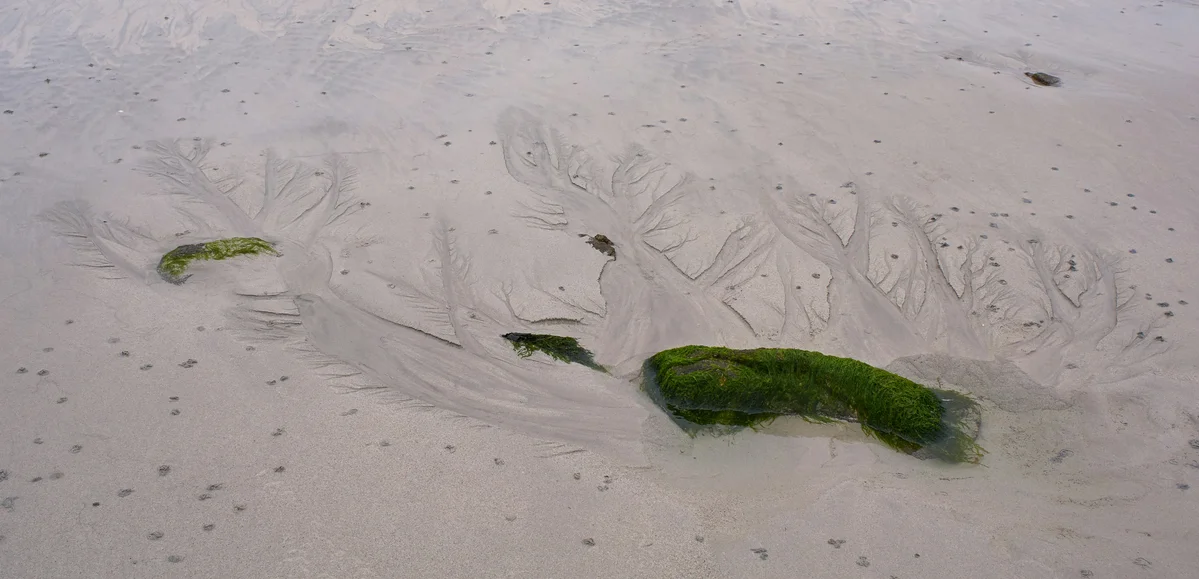
Why Algae Growth Is Harmful to Birds
Algae growth in birdbaths can lead to serious health issues for birds. When algae builds up, it can cause the water to become contaminated. Birds may ingest harmful substances or bacteria present in the algae, leading to illnesses. In fact, some algae can produce toxins that are detrimental to avian health. This is especially concerning if multiple birds use the same water source, as diseases can spread quickly among them. In warmer months, algae can thrive, making it essential to keep birdbaths clean. According to environmental studies in 2026, algae flourish in temperatures above 70°F (21°C). This temperature range is common during summer, leading to increased algal blooms. Without proper maintenance, your birdbath can turn into a breeding ground for these harmful substances. Also, algae can impact the overall hygiene of your birdbath. The slimy texture can deter birds from using the water, which may lead to dehydration. Birds need access to fresh water to stay hydrated, especially in hot weather. By regularly cleaning your birdbath, you can prevent algae growth and ensure that birds have a safe place to drink and bathe. Maintaining a clean birdbath benefits the birds and enhances your garden's appearance. A well-kept birdbath attracts more visitors and adds beauty to your outdoor space. Now you know why keeping algae at bay matters for your feathered friends.How to Clean Algae from Your Birdbath
- Empty the birdbath: Remove all water from the birdbath to prepare for cleaning. Aim to do this at least once a week.
- Mix the cleaning solution: Combine 1 part white vinegar with 9 parts water in a bucket. This solution is safe for birds and effective against algae.
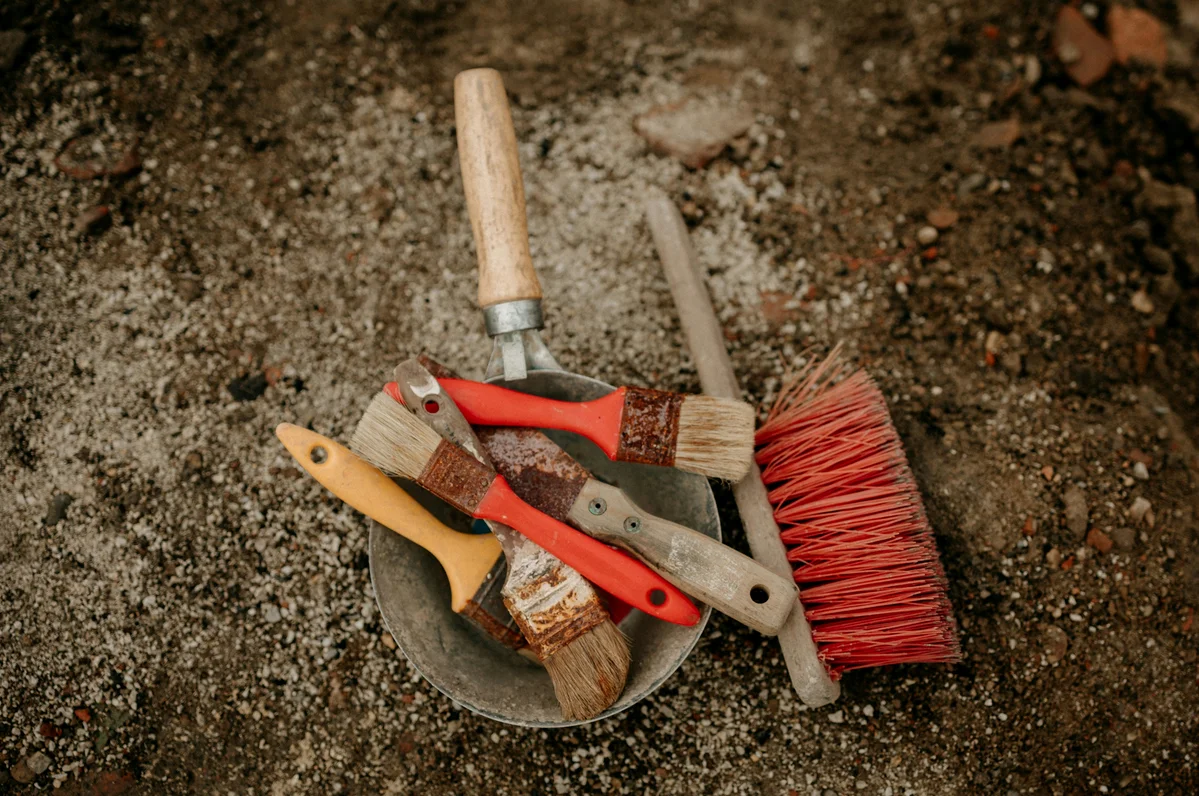
- Scrub the basin: Use a small scouring brush to scrub the inside of the birdbath with the vinegar solution. Focus on areas with visible algae.
- Rinse thoroughly: Use a garden hose to rinse the birdbath completely, ensuring no vinegar residue remains. This step is key for bird safety.
- Refill with fresh water: Fill the birdbath with fresh, clean water to invite birds back. Do this immediately after cleaning.
- Repeat weekly: Make this cleaning process a weekly routine to prevent algae build-up. Consistency is vital to keeping your birdbath clean.
Tips for Preventing Algae Growth
Preventing algae growth in your birdbath is easier than you might think. Place the birdbath in a shaded area, reducing sunlight exposure. Algae thrive on sunlight and warmth, so keeping your birdbath cool will slow their growth. Plus, consider changing the water frequently. Wildlife experts recommend refreshing the water every other day, especially during hot months. Pro Tip: Cleaning your birdbath weekly with a vinegar solution removes algae and prevents illness in birds, according to Audubon. Another effective strategy is to add some natural plants around your birdbath. Plants can help filter the water and absorb excess nutrients that promote algae growth. However, avoid over-fertilizing these plants, as excess nutrients can leach into the water and encourage algae to thrive. Finally, monitor your birdbath for any signs of algae. If you notice the water is starting to look cloudy or green, clean it immediately. Regular maintenance will keep your birdbath looking great and ensure that it remains a safe haven for birds.Signs of Algae Problems in Birdbaths
Identifying algae problems in your birdbath is key for maintaining a healthy environment for birds. The first sign of trouble is often the water turning green or cloudy. This discoloration indicates the presence of algae and should be addressed immediately. Another indicator is a slimy texture on the basin's surface. If the sides of your birdbath feel slippery, it's a clear sign of algae growth. This texture can deter birds from using the bath, leading to dehydration and illness. Also, observe the birdbath's usage. If you notice fewer birds visiting, it may be due to algae contamination. Birds are less likely to drink from a dirty source, impacting their health. Regular checks can help you catch these problems early, allowing you to act quickly. Lastly, pay attention to the smell of the water. A foul odor can indicate the presence of decaying organic matter or algae blooms. If you notice any unpleasant smells, clean the birdbath right away to ensure a safe drinking source for your feathered friends.
When to Replace Your Birdbath
Knowing when to replace your birdbath can save you time and effort in the long run. If you find that your birdbath frequently develops algae problems, it may be time for a new one. Constant maintenance can become tedious, and a new birdbath designed for easier cleaning may be beneficial. Another reason to consider replacement is damage. Cracks or chips in the basin can harbor bacteria and algae, making cleaning ineffective. If your birdbath has visible damage, replacing it ensures a safe environment for birds. Additionally, consider the material of your birdbath. Some materials, like plastic, can become discolored or damaged more quickly than others. If your birdbath has seen better days, investing in a more durable option can be worthwhile. Finally, think about your local environment. If your area has changed, such as increased sunlight or heat, it may affect your birdbath's performance. A replacement that suits the new conditions can help maintain a healthy water source for birds.Frequently Asked Questions
How often should I clean my birdbath?
You should clean your birdbath at least once a week. Regular cleaning prevents algae and bacteria growth. According to wildlife experts, this weekly routine is essential for bird health. Dirty water can make birds sick and deter them from visiting. Birds need clean water daily for hydration and bathing. Set a reminder to clean your birdbath every week.
What is the best solution to remove algae from a birdbath?
A vinegar solution is the best way to remove algae from a birdbath. Mixing 1 part vinegar with 9 parts water creates a safe cleaning solution. According to Audubon, vinegar effectively kills algae without harming birds. This solution is safe and easy to use for regular maintenance. Keeping the birdbath clean is essential for attracting birds. Use this vinegar solution weekly to ensure a clean birdbath.
Can algae in a birdbath make birds sick?
Yes, algae can make birds sick if ingested. Harmful toxins produced by certain algae can affect bird health. A 2026 study by Audubon noted that contaminated water can spread diseases among birds. Birds can become ill from drinking or bathing in algae-infested water. Regular cleaning helps prevent these health risks. Ensure your birdbath is clean to protect visiting birds.
What signs indicate a birdbath has an algae problem?
Signs of an algae problem include green, cloudy water. A slimy texture on the basin's surface also indicates algae growth. According to wildlife experts, fewer birds visiting can signal algae contamination. Foul odors coming from the water can indicate decay or algae. Regularly check your birdbath for these signs. Clean the birdbath immediately if you notice any of these issues.
When should I consider replacing my birdbath?
You should consider replacing your birdbath if it has persistent algae problems. Frequent cleaning may indicate the need for a more effective design. A damaged birdbath with cracks can harbor bacteria and algae. If the material is degrading, it may be time for a new one. Changing environmental conditions may also require a replacement. Invest in a new birdbath that suits your local climate.