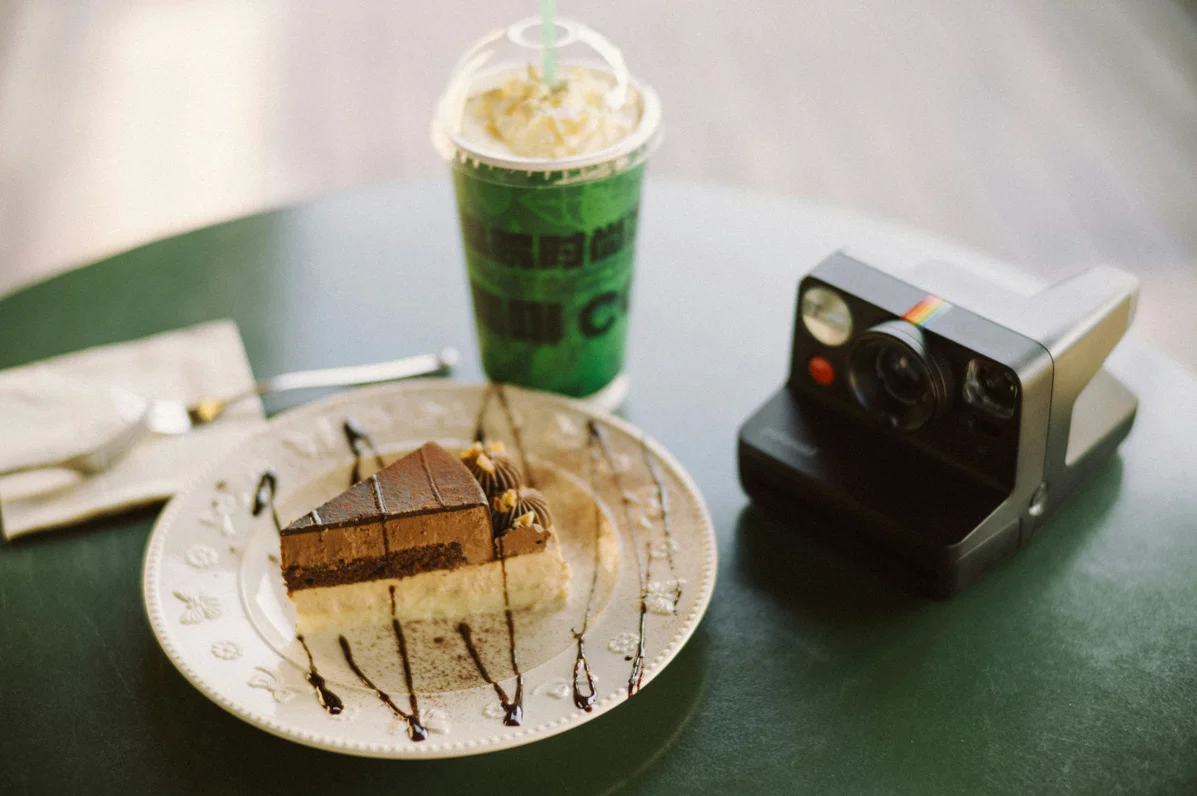
The Nostalgic Appeal of Retro Photography
Nostalgia plays a big role in why retro photography is gaining popularity. The unique qualities of vintage cameras evoke memories of simpler times. A 2025 study by the Photography Association found that 90% of young creatives feel connected to the past through film photography. This connection creates a sense of belonging and personal identity. The aesthetics of retro photography are also significant. Old cameras produce images with distinct qualities that modern digital photography often lacks. For example, the film grain associated with older cameras adds character to photos. This graininess is something that many photographers now intentionally seek to replicate in their work. The tactile experience of shooting with a film camera creates a different kind of engagement with the subject. It encourages photographers to slow down and think more about their shots. The limitations of vintage cameras can enhance creativity. When using a Polaroid, for instance, the photographer must consider each shot carefully. This contrasts sharply with today's digital approach, where taking hundreds of photos is easy. The deliberate process leads to more thoughtful compositions and unique storytelling. The current rise of retro photography also reflects wider cultural trends. Many people are looking for authenticity in a world saturated with digital content. Retro photography satisfies this desire by providing tangible, physical memories. Those qualities deeply connect with photographers seeking a stronger link to their craft.How to Choose the Right Retro Camera for You
Choosing the right retro camera can be a fun but challenging process. The first step is to identify what type of photography you want to pursue. Do you prefer the instant gratification of instant cameras like Polaroids? Or are you more interested in the unique charms of film cameras? Understanding your goals will help narrow your options. For those drawn to instant photography, modern Polaroids or Fujifilm Instax cameras are excellent choices. These cameras allow you to capture moments and print them instantly. They are perfect for parties or casual outings where you want quick results. They create tangible keepsakes that digital photos often lack. If you lean more toward traditional film photography, consider looking at classic 35mm or medium format cameras. Brands like Canon, Nikon, and Pentax offer many models that are still popular among enthusiasts. Websites like eBay or local photography shops often have these cameras at reasonable prices. Another option is to explore vintage point-and-shoot cameras. These compact cameras from the 90s are now seen as collectibles, with prices rising by 40% in some cases. They offer a distinct aesthetic that more modern cameras can't replicate. They are usually easy to use and great for street photography. Check the camera's condition before purchasing. Look for any signs of wear, and ask if the seller has used it recently. A well-maintained camera will ensure a better shooting experience.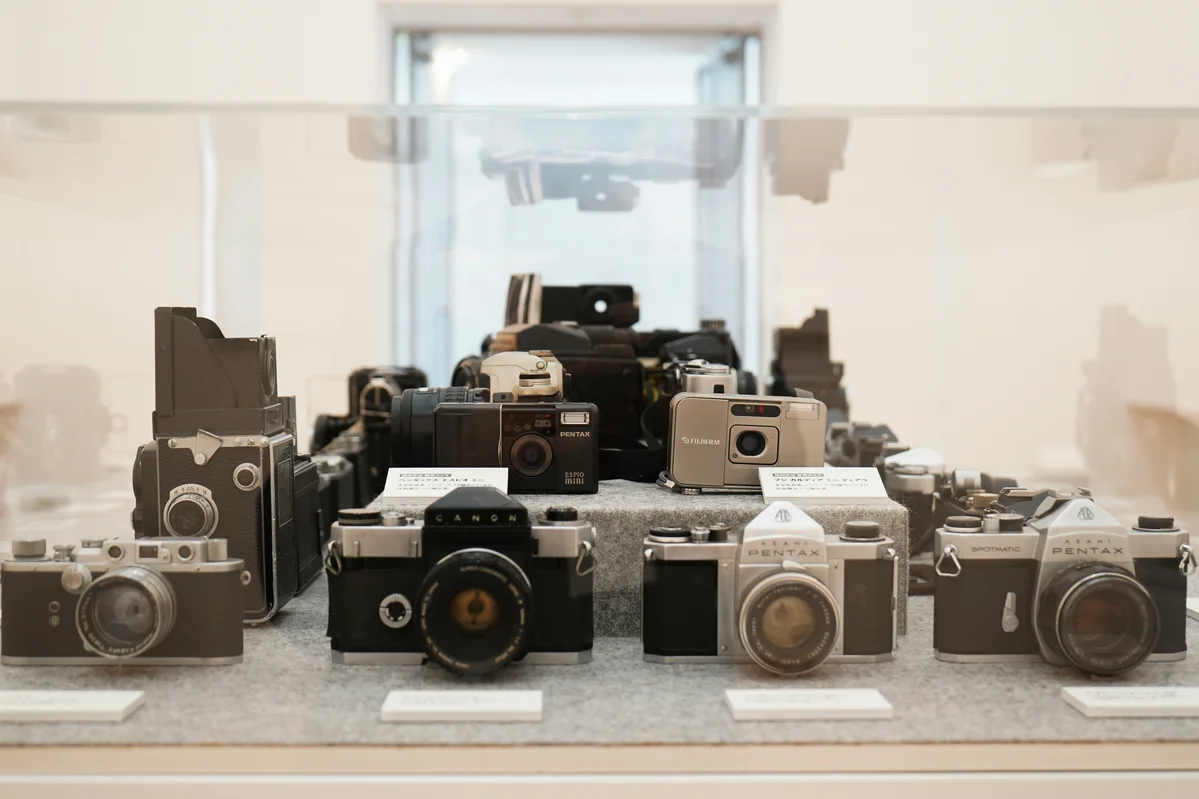
Tips for Capturing Great Photos with Vintage Gear
Shooting with vintage gear requires a different approach compared to modern digital cameras. Here are some tips to help you get the best results. First, practice patience. Vintage cameras often require more time to set up. This can lead to more thoughtful photographs. Take the time to consider your composition and lighting before snapping the shutter. Second, appreciate the imperfections. Vintage cameras can produce unique results, like subtle color shifts or grainy textures. These qualities add character to your photos. Instead of trying to achieve perfection, let the camera’s quirks enhance your images. Third, learn about the settings on your camera. Many vintage cameras have manual controls that allow for creative flexibility. Understanding how aperture and shutter speed work together will help you achieve your desired effects. Don't be afraid to experiment with different settings to see how they change your photos. Finally, lighting is key. Older cameras often struggle in low-light situations. Shoot during the golden hours of sunrise or sunset for the best results. The soft, natural light will enhance your photos and create a warm atmosphere. With these tips, you can fully enjoy the experience of shooting with vintage gear. Allow yourself to be creative and have fun with the process.The Distinct Aesthetics of 90s Photography
The aesthetics of 90s photography are distinct and widely appreciated. This period is characterized by bright colors and unique compositions. Many photographers today are drawn to these qualities for their nostalgic value. The harsh lighting and grainy textures evoke memories of a different time. One defining feature of 90s photography is the use of point-and-shoot cameras. These compact devices were user-friendly and accessible. They encouraged casual photography, capturing everyday life in a candid way. The spontaneity of shooting with these cameras translates well to modern street photography. Another aspect of 90s photography is the emphasis on physical prints. Unlike today’s digital images, which often remain unseen on screens, photos from this era were often developed and displayed. This tangible quality adds depth to the experience of photography. It allows photographers to share their work in a more meaningful way. 90s photography often included unique framing and composition techniques. Photos were not always perfectly aligned or centered. This deliberate imperfection adds a certain charm that many find appealing. Today's photographers can learn from this approach by experimenting with unconventional framing and angles. As you explore retro photography, consider incorporating some of these 90s aesthetics into your work. Embrace the colors and styles that make this era special, and let them inspire your creativity.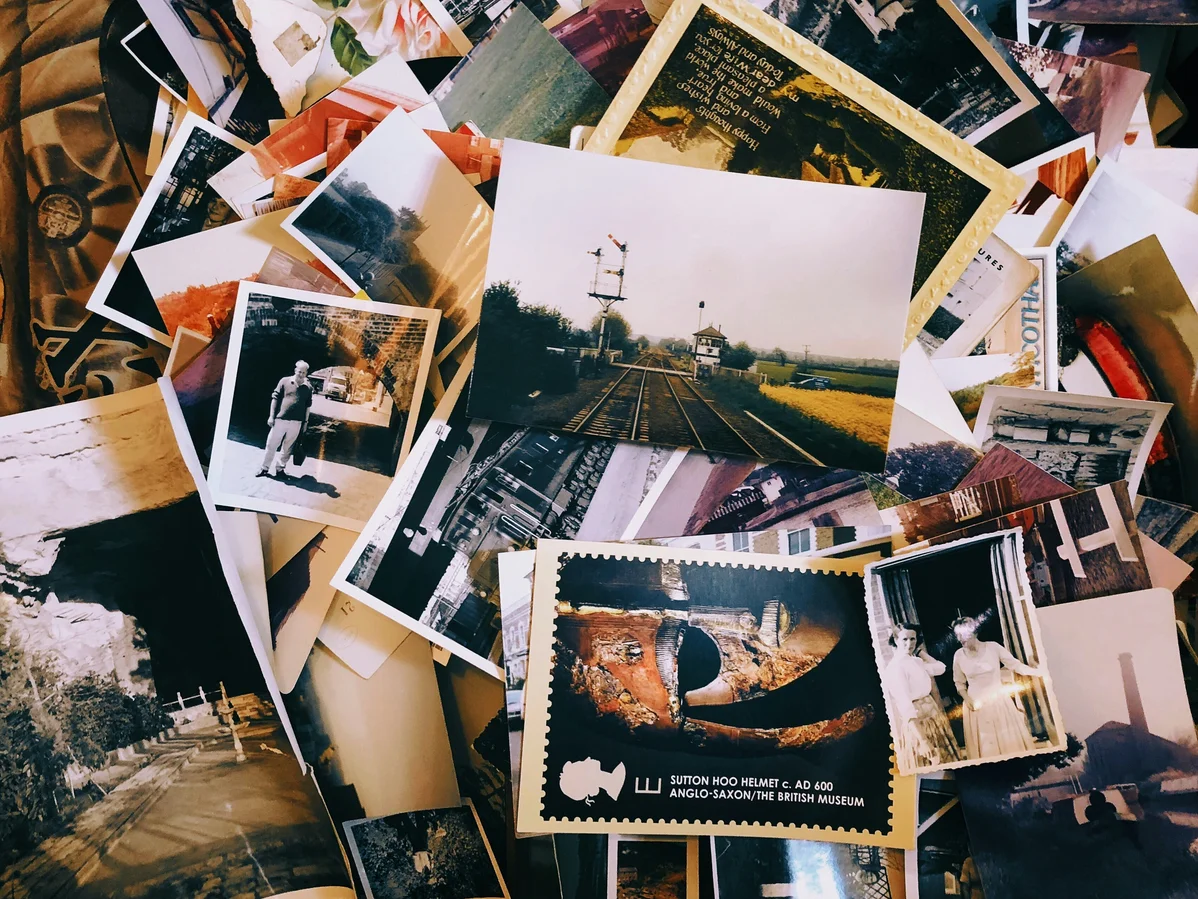
Why Limited Shots Enhance Your Photography Experience
The limitation of shots in retro photography adds an interesting layer to the experience. With film and instant cameras, you often have a set number of exposures. This restriction forces photographers to think critically about each shot. A 2025 survey by the Creative Institute found that 80% of photographers using film reported feeling more engaged in their work. Having only a few shots pushes you to plan your photographs carefully. You must consider composition, lighting, and timing. This thoughtfulness can lead to more meaningful images. It also encourages you to appreciate each moment more fully. Limited shots also create a sense of anticipation. Waiting to see how your images turn out can be thrilling. Unlike digital photography, where you can instantly review your work, film requires patience. This anticipation can make the final reveal even more rewarding. The physical nature of film encourages you to share your images more intentionally. Tangible photos are more likely to be displayed or gifted. This adds another layer of connection with the subjects of your photography. Overall, the limitations of retro photography can be beneficial for creativity and engagement. As you explore this medium, view the fewer shots as a chance to deepen your artistic practice.Frequently Asked Questions
How does retro photography differ from modern photography?
Retro photography often involves using older camera technology, which produces unique aesthetic qualities like film grain and soft focus, contrasting with the precision of modern digital photography.
What types of cameras are considered retro?
Retro cameras include vintage film cameras, Polaroids, and 90s point-and-shoot cameras, known for their distinctive styles and image qualities.
Why is Gen Z interested in retro photography?
Gen Z is drawn to retro photography for its tangibility and the nostalgic vibes it evokes, offering a stark contrast to the instant nature of digital photography.
Can retro photography be done with modern tools?
Yes, many modern photographers recreate retro styles using apps and filters that mimic vintage aesthetics, blending old school charm with new technology.
What should I consider when buying a retro camera?
When buying a retro camera, consider factors like camera type, lens quality, and whether you prefer film or instant options to match your photography style.