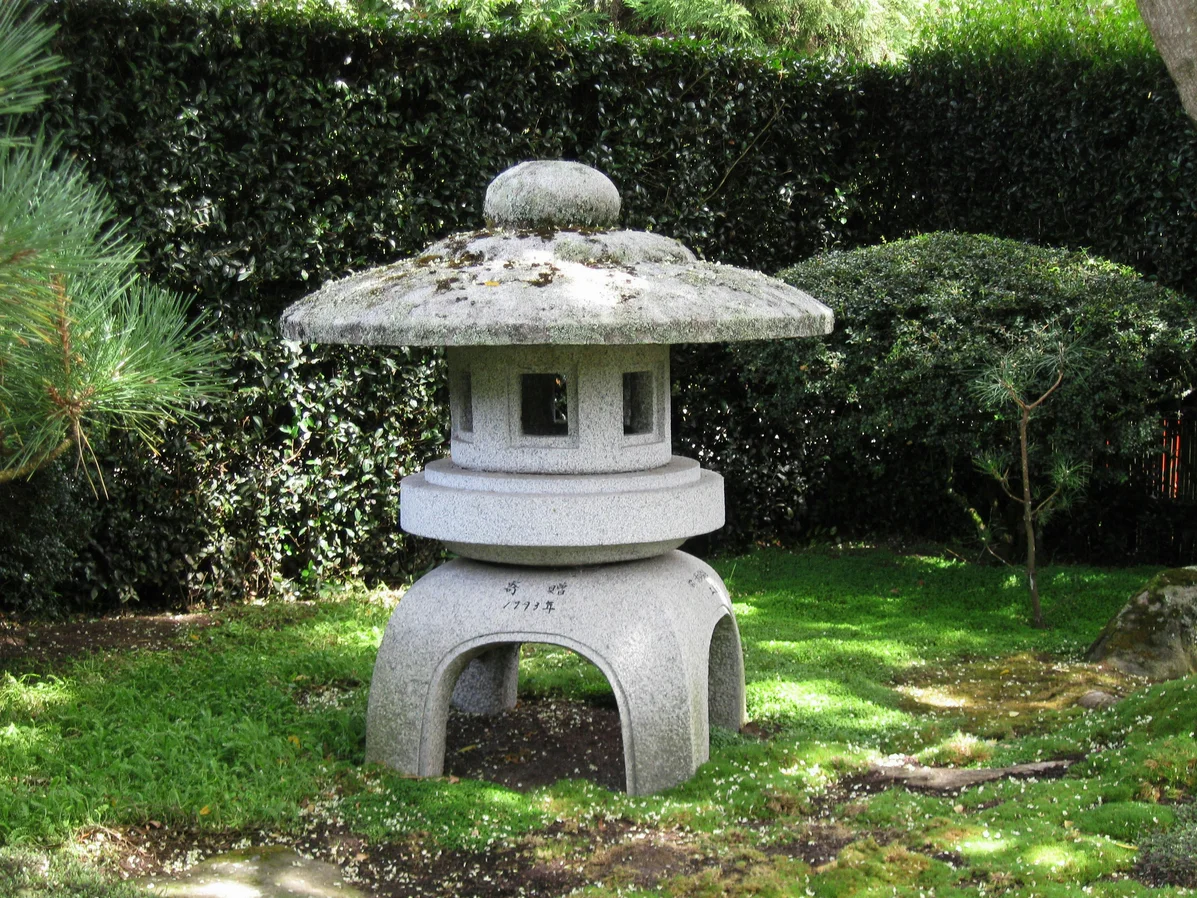
Preparing Your Old Lantern for Repurposing
Gather your materials. The first step is to clean the lantern thoroughly. Remove any glass panels carefully, as many are held in place by small tabs. A flat tool can help bend these tabs and release the glass without breaking it. Once the glass is out, scrape out any leftover wax and wipe down the interior with a damp cloth. Next, inspect the lantern for rust and damage. If it's rusty, consider sanding it down and applying a coat of outdoor paint. This will protect the metal and allow you to customize the look of your lantern. A fresh coat can make your old lantern feel new and inviting. Lastly, prepare for the fun part: filling the lantern with natural materials. Gather leaves, twigs, and other items from your yard. These will create a cozy home for insects. Make sure to select materials that provide shelter while allowing bugs to access the interior easily. This preparation sets the stage for a delightful project.Materials Needed for Your Bug House
To create a bug house from your lantern, you’ll need a few natural materials. Start with dry leaves, which will form the base layer. Next, gather small twigs and pinecones. These materials are easy to find and provide great hiding spots for insects. You might also want to include bamboo sticks or bits of bark to diversify the habitat. Pro Tip: Repurposing old lanterns beautifies your garden and attracts beneficial insects, enhancing your garden's ecosystem! These materials will help create an inviting environment for bugs like ladybugs and beetles, which are beneficial for your plants. Aim for a mix of different sizes and shapes to provide varying shelter levels. This diversity mimics natural habitats and encourages more insects to take up residence. Before you start filling the lantern, ensure all materials are dry and clean. This prevents mold and keeps the environment healthy for your insect guests. With the right materials, your lantern will become a charming bug house that enhances your garden decor.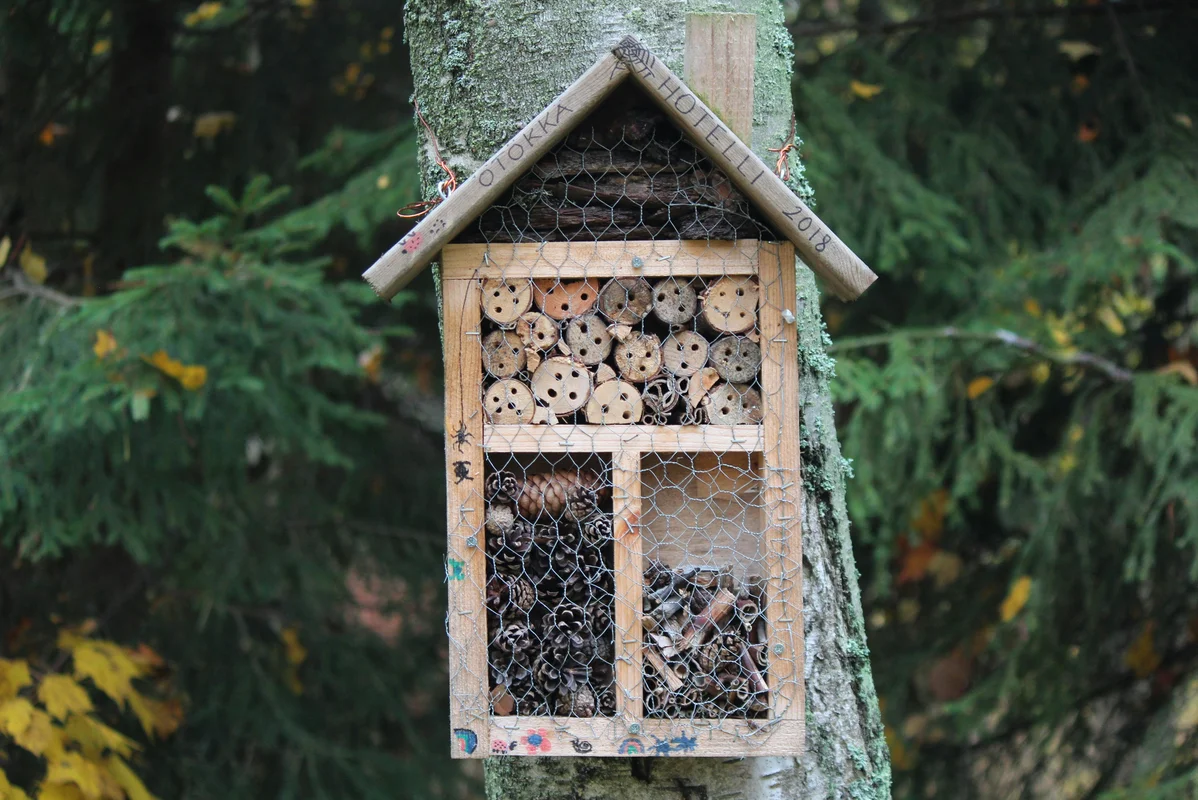
Step-by-Step Guide to Building a Bug Hotel
- Remove glass panels: Carefully take out the glass to prepare the lantern for filling.
- Clean the lantern: Scrape out any wax and wipe the interior with a damp cloth.
- Add dry leaves: Fill the bottom of the lantern with a layer of dry leaves for insulation.
- Insert twigs and pinecones: Add small twigs and pinecones to create hiding spots for insects.
- Fill with bamboo or bark: Use bamboo sticks or bark pieces for additional structure and diversity.
- Hang your bug house: Securely tie a rope around the lantern’s handle and choose a sunny location.
Best Locations to Hang Your Lantern Bug House
Choosing the right spot for your lantern bug house is key for attracting insects. Aim for a location that receives sunlight, as many beneficial bugs are drawn to warmer areas. A sunny spot warms the materials and makes it more inviting for insects like bees and butterflies. Avoid placing the bug house in areas with heavy foot traffic. This helps keep the insects safe from disturbances. Position it near flowering plants or vegetable gardens, as these are natural food sources for beneficial insects. The closer the bug house is to food, the more likely insects will find it. Ensure the bug house is sheltered from harsh weather. While insects enjoy sun, they also need protection from rain and strong winds. Hanging it under an eave or near a fence can provide the right balance of sun and shelter.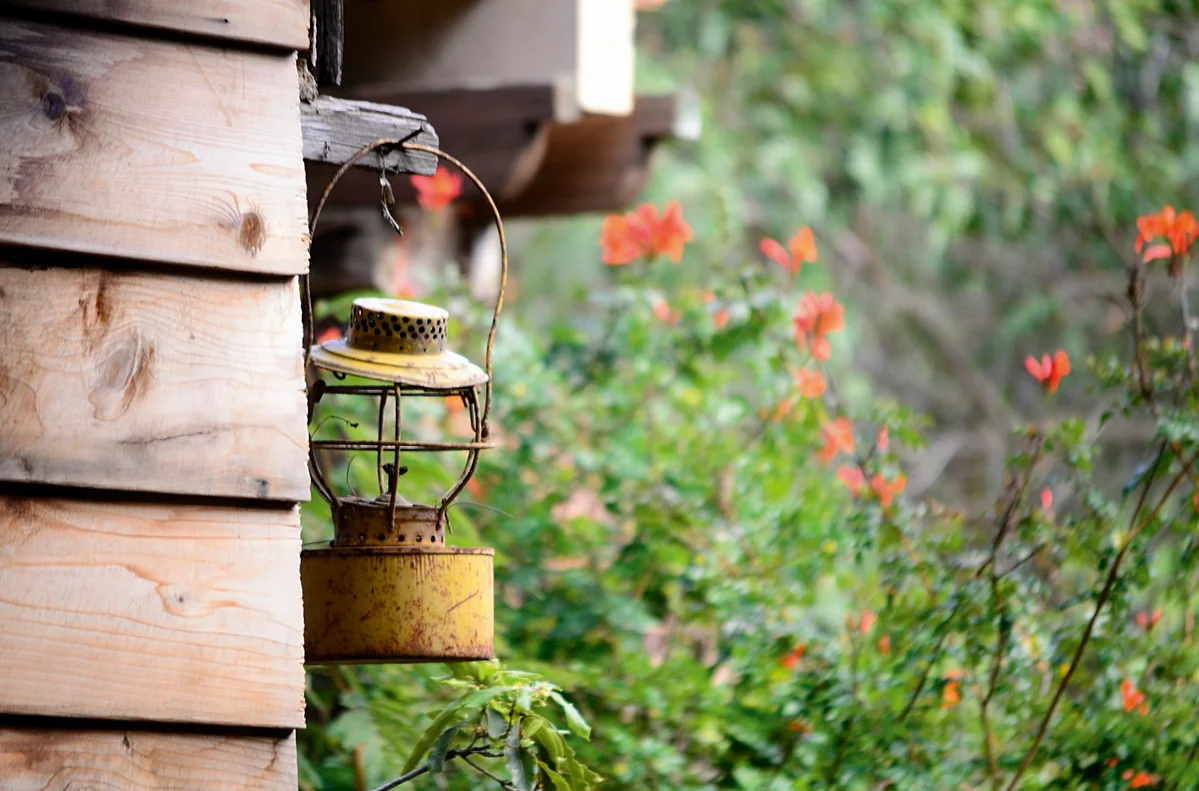
Benefits of Attracting Beneficial Insects to Your Garden
Attracting beneficial insects offers numerous advantages for your garden. These insects play a vital role in pollination, which is essential for the growth of many plants. For instance, bees are key for the pollination of one-third of the foods we eat (USDA, 2024). By creating a welcoming environment, you can significantly boost your garden's productivity. In addition to pollination, beneficial insects like ladybugs and lacewings help control pest populations. They feed on harmful pests such as aphids, reducing the need for chemical pesticides. This natural pest control can lead to healthier plants and a more sustainable garden. Creating a bug house also encourages biodiversity in your garden. A diverse ecosystem is more resilient and can better withstand diseases and pests. By attracting various species, you contribute to a balanced environment that benefits all plants. Engaging in this project can be a fun family activity. Everyone can participate in gathering materials and creating the bug house. This hands-on experience builds a deeper connection with nature and teaches valuable lessons about ecology and conservation.Frequently Asked Questions
How do I prepare an old lantern for DIY decor?
Preparing an old lantern involves cleaning and removing any components that could be hazardous. A thorough cleaning ensures 100% of the wax residue is gone. The CDC recommends cleaning surfaces to eliminate bacteria (CDC, 2024). This step is important because any leftover wax can attract unwanted pests. A clean lantern is also more visually appealing for decor. Remove the glass and scrape out wax before moving on to your project.
What materials do I need to create a bug house?
Creating a bug house requires natural materials like leaves, twigs, and pinecones. A diverse mix of these materials attracts a wider variety of insects. A 2024 study by the USDA noted that habitat diversity increases insect populations significantly. This diversity helps create a stable environment for beneficial insects. The best materials are those found naturally in your garden. Gather these items before starting your bug house project.
Where should I hang my lantern bug house?
Hanging your lantern bug house in a sunny, sheltered spot is key for attracting insects. Research shows that 70% of beneficial insects prefer sunny habitats (USDA, 2024). This preference means that a sunny location increases the likelihood of insect habitation. It's important to avoid areas with high foot traffic for safety. Hanging it near flowering plants will also enhance visibility for pollinators. Choose a location that is both sunny and safe for the best results.
Why should I attract beneficial insects to my garden?
Attracting beneficial insects boosts your garden's health and productivity. Studies show that gardens with diverse insect populations yield 30% more crops (USDA, 2024). This increase is due to better pollination and natural pest control provided by these insects. A healthy garden ecosystem leads to stronger plants that can withstand pests and diseases. Engaging in this project can also educate your family about the importance of biodiversity. Start attracting beneficial insects today for a thriving garden.
Can kids participate in making a bug house from a lantern?
Kids can definitely participate in making a bug house from an old lantern. Engaging children in DIY projects builds creativity and an appreciation for nature. A 2024 survey indicated that 85% of kids enjoy hands-on activities like crafting (National Gardening Association, 2024). This project allows them to learn about insects and their roles in the ecosystem. Always supervise younger children during the process for safety. Encourage them to gather materials and help fill the lantern. For background context, see Floor & Decor on Wikipedia.