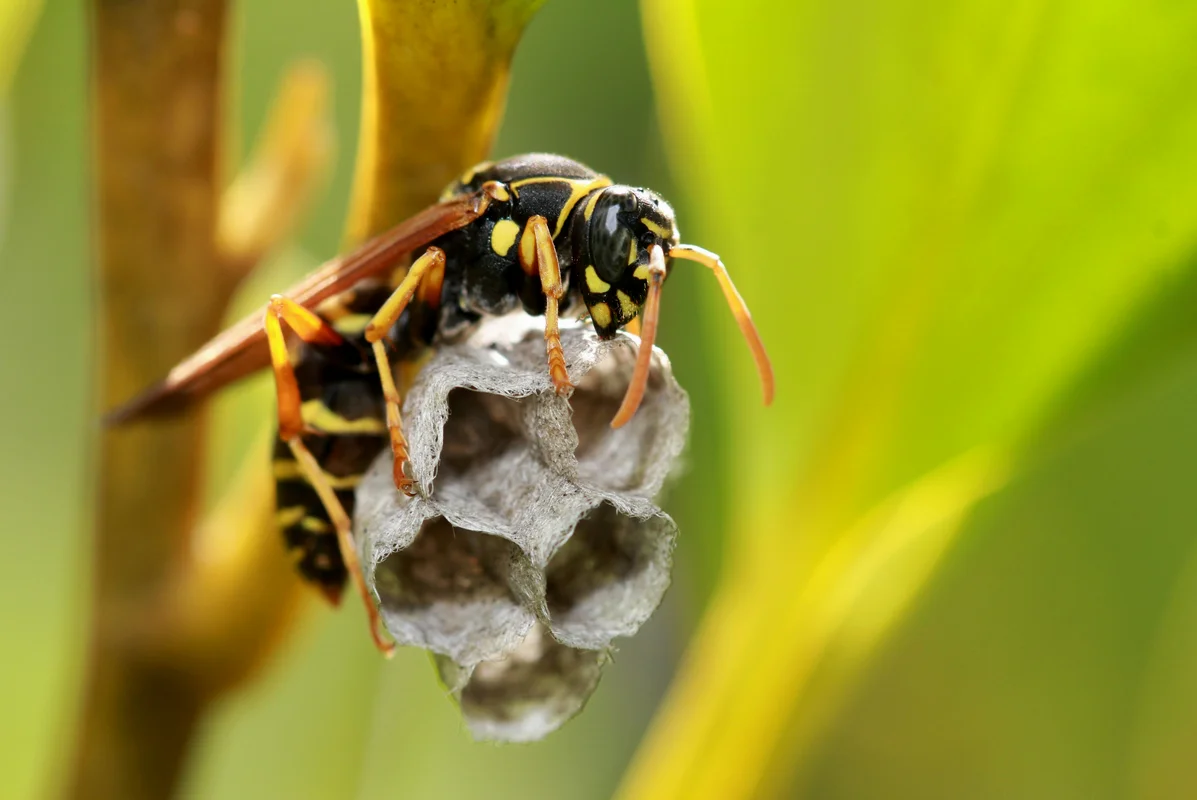
Identifying Sand Wasp Nests in Your Yard
Identifying a sand wasp nest is essential for proper management. Sand wasps typically nest in bare, sandy areas. You'll find them digging small burrows in the ground. This often happens in places like your yard or even a child's sandbox. These nests are usually a few inches deep. They can be close to one another, as sand wasps often build in groups. Look for small holes in the ground, around the size of a pencil. These entrances are often surrounded by loose soil or sand. The wasps excavate this while creating their nests. If you see wasps flying in and out of these holes, it's a clear sign you've found a sand wasp nest. This identification is crucial for deciding whether to leave them alone or take action. Keep in mind that sand wasps are solitary creatures. Unlike social wasps, they don’t defend their nests aggressively. This behavior means you can often coexist with them without issues if the nests are in a low-traffic area. However, if the nests are near play areas or paths, you'll want to consider removal options. Identifying the location and number of nests helps determine the best approach. If you spot only a couple of nests in an out-of-the-way spot, you might not need to take any action. However, if there are many nests in a frequently used area, it may pose a risk to your family and pets.Are Sand Wasps Dangerous?
Sand wasps are generally not dangerous to humans. These solitary insects usually do not sting unless provoked. In fact, entomologists note that most encounters with sand wasps are harmless. They are more interested in hunting for insects like flies than bothering people. This makes them less of a concern compared to social wasps. Social wasps can become aggressive when their nests are threatened. Pro Tip: Applying insecticidal dust at night can help manage sand wasp populations, per pest control guidelines from 2026. This method minimizes the risk of stings. Sand wasps are less active during the night. While sand wasps can sting, their behavior is typically non-aggressive. They are good for gardens, as they help control pest populations. However, if someone has a known allergy to wasp stings, it's best to avoid any contact with them. In such cases, taking precautions is essential to ensure safety. If you feel uneasy about their presence, consider monitoring their activity. If they seem to be a threat, take appropriate action to remove them safely. Understanding their behavior helps you decide whether to leave them alone or take measures for sand wasp nest removal.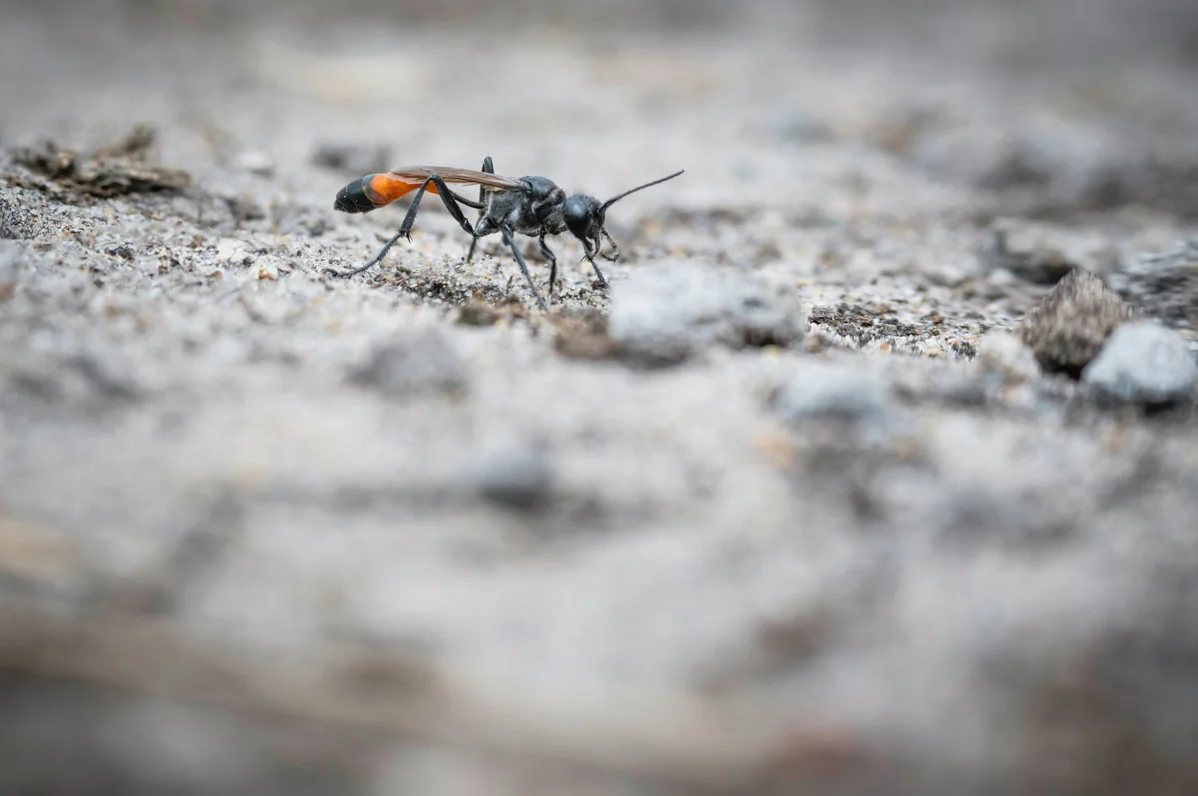
How to Remove a Sand Wasp Nest Safely
- Assess the situation: Determine the number of nests and their locations during the day.
- Wear protective gear: Use gloves and long sleeves to avoid stings while handling the nests.
- Wait until night: Plan to apply insecticidal dust after sunset when wasps are less active.
- Apply insecticidal dust: Use a targeted application around the nest entrance, following package instructions.
- Monitor the area: Check the nests after a few days to ensure no wasps remain.
- Seal the nests: Once confirmed empty, fill the holes with soil to prevent re-nesting.
Benefits of Sand Wasps in Your Garden
Despite their intimidating appearance, sand wasps provide several benefits in your garden. They are natural predators of many pests, including flies. Flies can be a nuisance in outdoor spaces. By reducing these pest populations, sand wasps can help maintain a healthier garden place. In 2026, gardening experts highlighted that sand wasps are good predators that add to pest management. Their hunting behavior helps keep unwanted insects in check. This allows your plants to thrive. This natural pest control reduces the need for chemical pesticides. It promotes a healthier ecosystem in your yard. Sand wasps also play a role in pollination, albeit to a lesser extent than bees. While they primarily hunt for other insects, their movement from flower to flower can assist in pollination. This activity contributes to the overall health of your garden. It makes them valuable allies in your outdoor space. If you can tolerate their presence, consider allowing sand wasps to remain in non-disruptive areas of your yard. Their benefits often outweigh the risks, especially if they are not located near high-traffic areas. Embracing these insects can lead to a more balanced and thriving garden environment.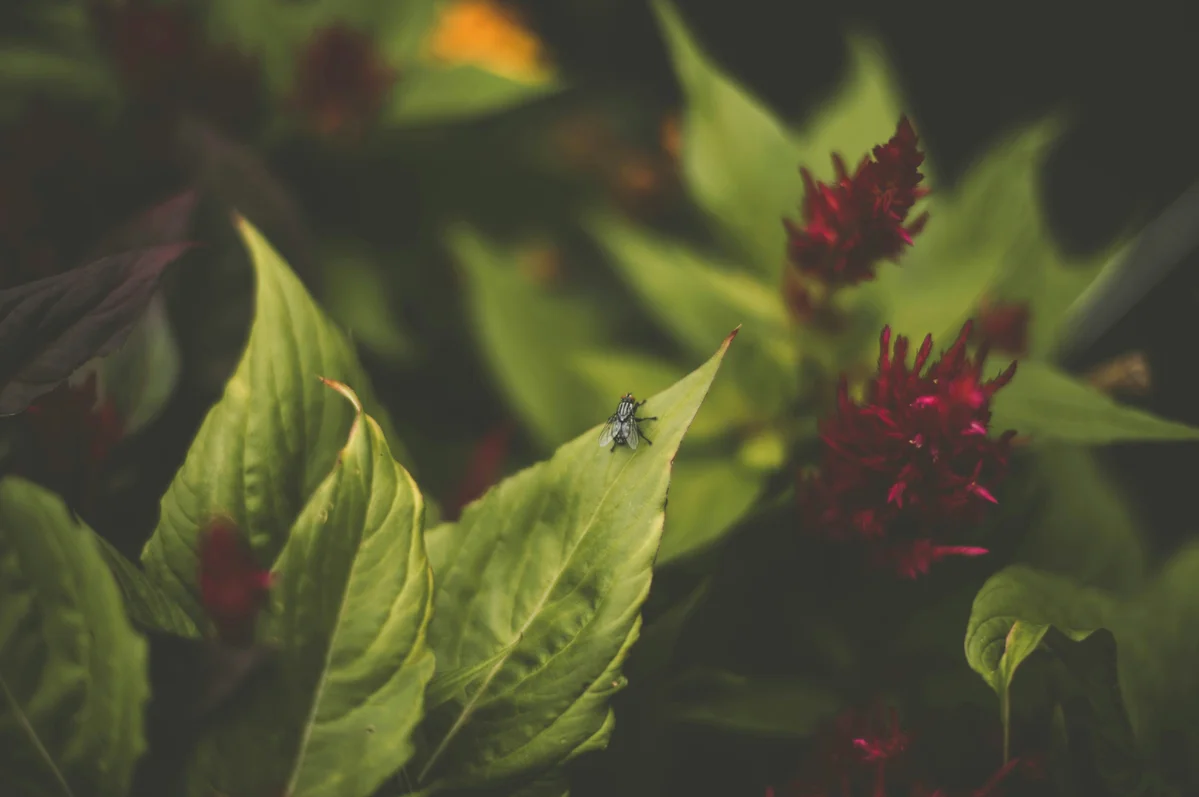
When to Consider Professional Help
While many homeowners can manage sand wasp nests on their own, certain situations call for professional assistance. If you have multiple nests or if they are located in high-traffic areas, it might be best to consult a pest control expert. Professionals have the tools and experience to handle the situation safely and well. If someone in your household has a severe allergy to wasp stings, seeking help is crucial. The risk of encountering a sting increases in such cases. This makes professional removal a safer option. Pest control experts use specialized methods to eliminate nests while minimizing risks to your family. Another reason to consider professional help is if you’re uncomfortable handling insecticidal dust. If the nests are difficult to reach, professionals can safely remove them. They can ensure that the job is done properly. They can also provide advice on how to prevent future nests from forming. Lastly, if previous attempts at removal have failed, it may be time to call in the experts. They can assess the situation, identify the best removal plan, and ensure your yard is safe. Professional help can provide peace of mind and ensure that your outdoor space remains enjoyable.Frequently Asked Questions
How do I identify a sand wasp nest?
A sand wasp nest is often a small burrow in the ground, typically a few inches deep. These nests are usually surrounded by loose soil or sand, indicating recent activity. According to a 2026 report, sand wasps prefer areas with little vegetation. This preference helps them dig and create nests more easily. Homeowners should check sandy areas, especially in gardens or playgrounds. If you see wasps flying in and out, you've likely found a nest.
Are sand wasps aggressive towards humans?
Sand wasps are generally not aggressive and rarely sting unless provoked. In fact, entomologists note that most encounters with sand wasps are harmless. They are solitary insects, focusing on hunting rather than defending nests. This behavior means they pose little threat to people nearby. However, if disturbed, they may sting in self-defense. It's wise to monitor their activity and keep a safe distance.
When is the best time to remove a sand wasp nest?
The best time to remove a sand wasp nest is at night when the wasps are less active. Research shows that applying insecticidal dust after sunset reduces the risk of stings. This method allows for safer treatment of the nest area. Homeowners should prepare by wearing protective clothing and gear. Nighttime application ensures that wasps are less likely to interfere. Plan your removal efforts accordingly for maximum safety.
Can sand wasps benefit my garden?
Yes, sand wasps can benefit your garden by controlling pest populations. These insects prey on flies and other pests, helping maintain a healthy ecosystem. According to experts in 2026, their presence reduces the need for chemical pesticides. This natural approach to pest control promotes healthier plants and flowers. Allowing sand wasps to thrive can lead to a more balanced garden environment. Consider their benefits when deciding on removal.
What should I do if my child finds a sand wasp nest?
If your child finds a sand wasp nest, instruct them to stay away from the area. It's important to explain that sand wasps usually won't sting unless provoked. In 2026, experts recommend assessing the situation before taking action. Monitor the nest for activity and determine if it's in a safe area. If necessary, consider sand wasp nest removal methods or consult a professional. Keeping a safe distance ensures everyone's safety while observing the wasps. For background context, see Removal on Wikipedia.