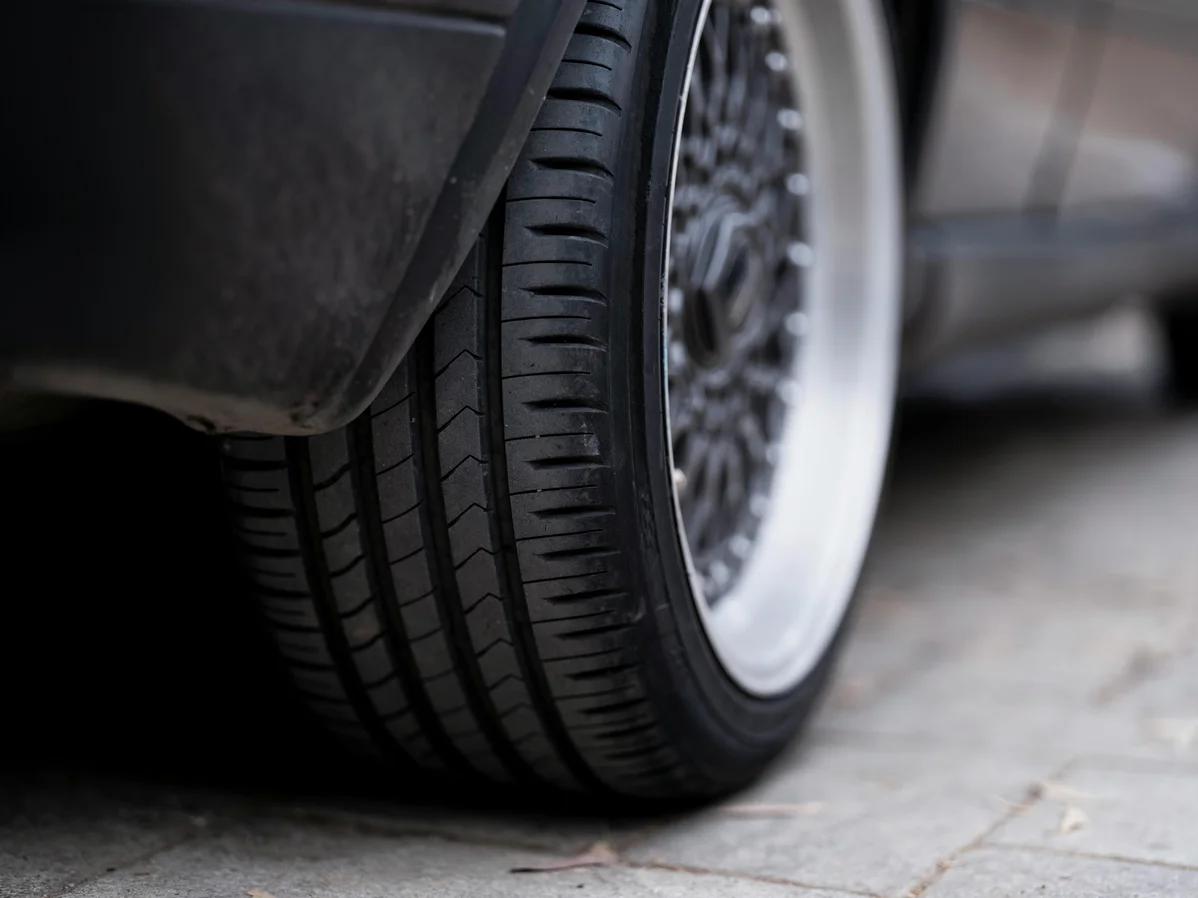
1. Understanding the Impact of Potholes on Your Car
Potholes form mostly due to water damage, especially in winter. When water seeps into cracks in the asphalt, it expands and contracts as temperatures change. This cycle causes the pavement to break apart, leading to dangerous potholes. According to auto industry studies, winter conditions are a big contributor to pothole formation. Hitting a pothole can push parts like steering and suspension beyond their limits. A small jolt can misalign your car, affecting handling and tire wear. A study by ASE found that many drivers are unaware of the hidden risks associated with potholes. Ignoring these risks can lead to expensive repairs later. Cold weather makes these issues worse. Lower temperatures make rubber tires stiffer, reducing their ability to absorb shocks. This extra pressure transfers directly to suspension parts, increasing the chance of damage. “Rubber shrinks when cold and can place extra pressure on metal parts they are trying to isolate,” explains Joe Simes, a Toyota Master Technician. So, it's essential to be vigilant after hitting a pothole. Regular checks can help you catch potential problems early. By understanding how potholes impact your vehicle, you can take proactive steps to maintain its health.2. Common Noises Indicating Car Damage After Hitting a Pothole
After hitting a pothole, your car may start to make unusual noises. These sounds can be key signs of damage that needs attention. Common noises include clunking, thudding, and grinding, each signaling different issues. Clunking noises often suggest worn or damaged suspension parts. These include bushings, ball joints, or shock absorbers. According to ASE, a clunking noise is a warning that something is wrong with your car's suspension system. If ignored, it can lead to more severe issues, including complete system failure. Pro Tip: In 2022, 44 million drivers faced pothole-related car repairs, highlighting the importance of recognizing early signs of damage. Another noise to watch for is a deep thud, especially if accompanied by steering pull. This sound may indicate a bent wheel or loose sub-frame. Additionally, clicking or grinding sounds while turning often signal a damaged CV joint. These noises can mean that grease is lost from a torn CV boot, leading to further damage. Rhythmic thumping or humming can also be signs of trouble. A broken tire belt or a failing wheel bearing may produce these sounds. If you hear these noises, it’s crucial to have your vehicle checked. Early detection can prevent more costly repairs and keep you safe while driving.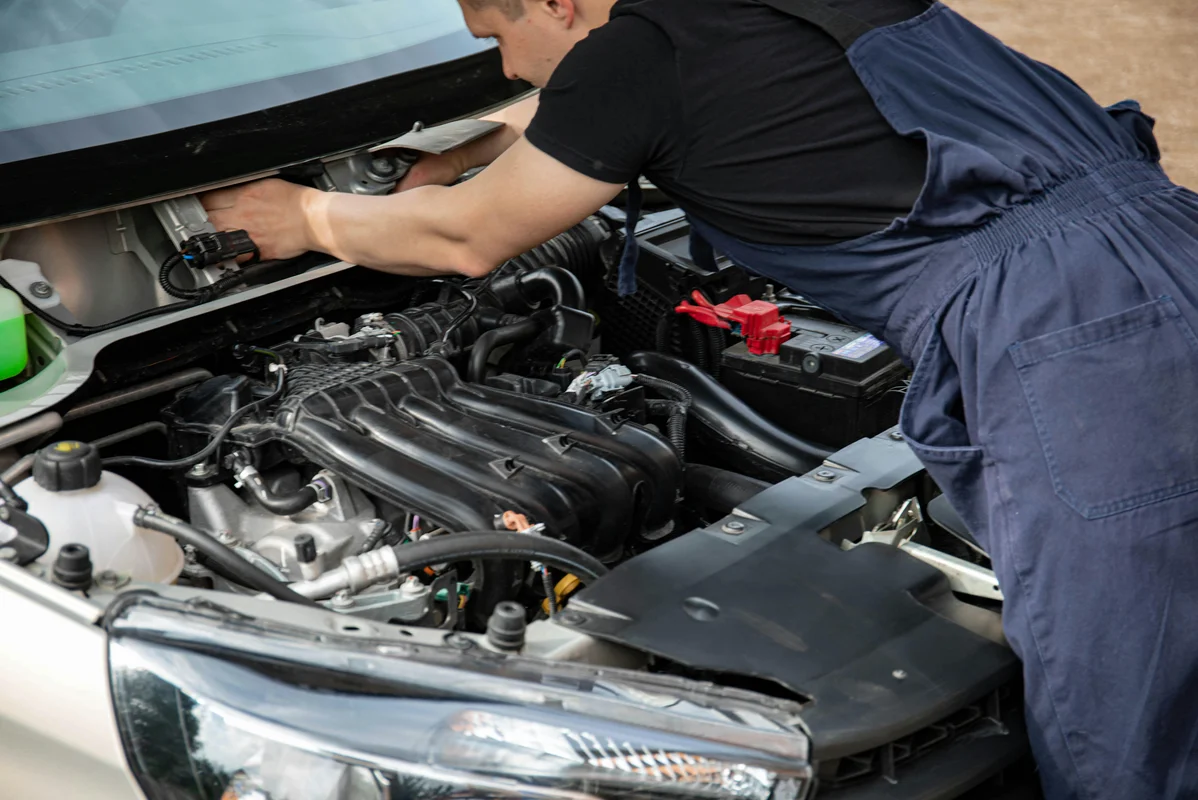
3. Visual Signs of Suspension and Steering Damage
In addition to sounds, visual signs can reveal damage after hitting a pothole. Look for uneven tire wear, which may indicate alignment issues. If your tires show bald patches on one side, it’s a clear sign that something is wrong. Misalignment can lead to uneven wear and a shorter lifespan for your tires. Check for fluid leaks under your vehicle. Leaking oil or transmission fluid can signal a damaged part from the impact. Additionally, observe your vehicle's stance. If it leans to one side or appears lower than usual, it may indicate suspension damage. Another important visual cue is the condition of your steering wheel. If it vibrates or feels off-center when driving straight, this could indicate a misalignment. According to ASE, misalignment can lead to quicker tire wear and affect handling. Regularly checking these visual cues can help you catch problems before they escalate. Finally, inspect the undercarriage of your car for visible damage. Look for bent parts or broken components that may have resulted from hitting a pothole. These signs can be critical in determining whether your vehicle needs immediate attention.4. Essential Self-Checks After Encountering Potholes
Doing self-checks after hitting a pothole can help identify damage early. Start by visually inspecting your tires for any cuts or bulges. If you notice anything unusual, it could indicate internal damage. Regularly checking tire pressure is also key, as pothole impacts can cause fluctuations. Next, check your alignment by observing how your car drives. If it pulls to one side, this is a sign of misalignment. You can also perform a simple steering wheel test: if your steering wheel is off-center while driving straight, it may need adjustment. Listen for any unusual noises while driving, such as clunks or grinding sounds. These noises often signal underlying issues that need professional evaluation. If you hear these sounds, make a note of when they occur for your mechanic. Finally, consider the handling of your vehicle. If it feels stiffer than usual or if the ride is bumpy, these may be signs of suspension damage. Remember, early detection is key. Perform these self-checks regularly to maintain your vehicle's health.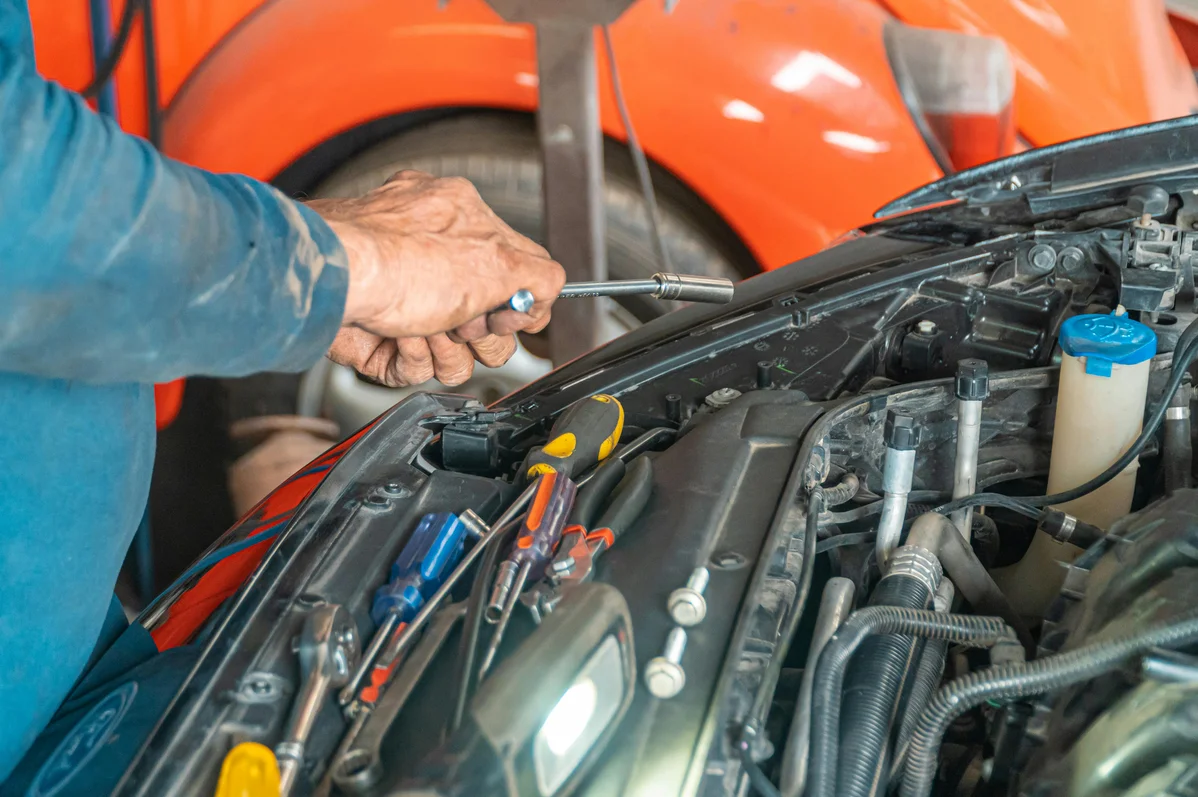
5. When to Consult a Professional for Car Issues
- Observe unusual noises: If you hear clunking or grinding, schedule a check within 1 week.
- Check for fluid leaks: If you notice leaks, consult a mechanic immediately for an assessment.
- Test your alignment: If your car pulls to one side, visit a professional within 2 weeks.
- Inspect tire condition: If you see uneven wear, get your tires checked within 1 week.
- Evaluate handling: If your vehicle feels stiff or bumpy, seek professional help within 1 week.
Frequently Asked Questions
How can I tell if my car is damaged after hitting a pothole?
Listen for unusual noises like clunking or grinding after hitting a pothole. In 2022, 44 million drivers faced pothole-related repairs (ASE, 2022). Ignoring these noises can lead to costly damage. Clunks often indicate suspension issues or misalignment. If your vehicle pulls to one side, it's time for a checkup. Schedule an appointment with a mechanic to assess potential damage.
What should I check on my car after hitting a pothole?
After hitting a pothole, check your tires for cuts or bulges. About 44 million drivers dealt with pothole damage in 2022 (ASE, 2022). Inspect your alignment by seeing if your car pulls to one side. Listen for clunking noises while driving, as these can indicate suspension issues. If you notice any unusual behavior, take your car to a mechanic. Regular checks can prevent further damage and costly repairs.
When should I take my car to a mechanic after hitting a pothole?
If you hear clunking or grinding noises, visit a mechanic within one week. In 2022, 44 million drivers paid for pothole-related repairs (ASE, 2022). These noises often indicate serious issues that need immediate attention. If your steering feels off or your tires show uneven wear, it’s time for a professional check. Addressing these problems early can save you from more extensive repairs later. Schedule an appointment as soon as possible.
Can hitting a pothole affect my car's alignment?
Yes, hitting a pothole can significantly impact your car's alignment. A study showed that in 2022, 44 million drivers experienced pothole-related issues (ASE, 2022). Misalignment can lead to uneven tire wear and affect handling. If your steering wheel is off-center or your car pulls to one side, it’s time for a check. Regular alignment checks can help maintain your vehicle’s performance. Schedule an appointment with a mechanic if you suspect alignment issues.
Why do potholes cause more damage in winter?
Potholes cause more damage in winter due to the freeze-thaw cycle. Water seeps into cracks and expands when frozen, leading to bigger potholes. In 2022, 44 million drivers faced pothole-related repairs (ASE, 2022). Cold temperatures also stiffen tires, reducing their ability to absorb impacts. This increases stress on suspension and steering components. Regular checks after winter can help identify any damage early.