
1. Using Fans Well
Using fans correctly can greatly improve your comfort level during hot days. Here’s how to maximize their power:- Position fans strategically: Place box fans in windows to pull in cooler air during the evening hours.
- Set fans to oscillate: Use oscillating fans to circulate air. This covers more area in the room and can help reduce the perceived temperature.
- Combine fans with ice: Place a bowl of ice in front of a fan to create a DIY air conditioning effect. This method cools the air before it circulates.
- Use ceiling fans wisely: Set ceiling fans to rotate counter-clockwise to push cool air down in summer. This can help lower the room temperature.
- Run fans at night: Use fans while sleeping to stay cool. A gentle breeze can make a big difference in comfort.
2. Maximizing Window Ventilation
Maximizing window ventilation is a smart way to enhance air circulation and reduce indoor temperatures. Open windows during cooler parts of the day, like early morning and late evening, to let in fresh air. This method allows you to take advantage of natural breezes. They can cool your home without any energy cost. Pro Tip: Using fans correctly can reduce perceived temperature by up to 10 degrees, according to the Home Energy Association (2023). Consider using window screens to keep bugs out while allowing airflow. You can also create cross-ventilation by opening windows on opposite sides of your home. This creates a breeze that can help cool the air inside. In hotter climates, consider installing window shades or reflective films to block direct sunlight during peak hours. This can help keep indoor temperatures lower throughout the day. Proper window ventilation reduces your reliance on AC and improves indoor air quality. Fresh air circulation can help eliminate stale and hot air. This creates a more pleasant living place.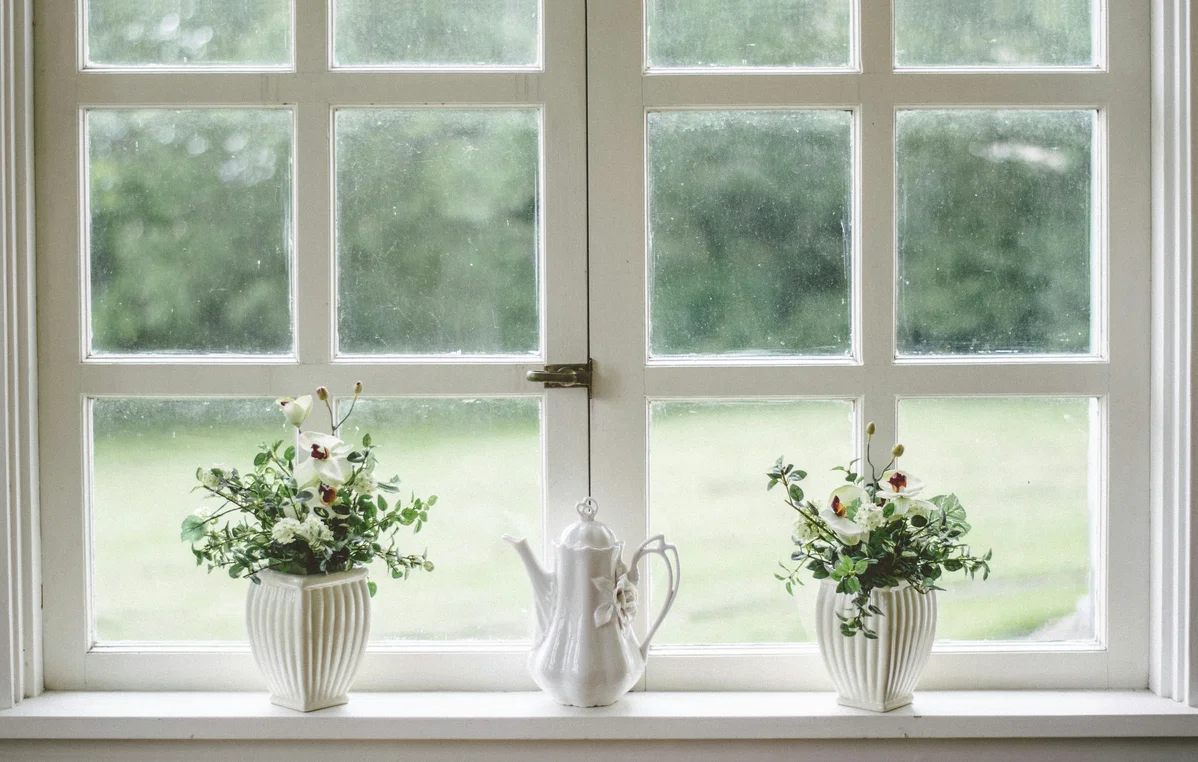
3. Creative No-Cook Meals
No-cook meals are an excellent way to stay cool during summer. Preparing meals without the heat of a stove or oven keeps your kitchen and home cooler. Think salads, cold sandwiches, and fresh fruits. These meals are refreshing and quick to prepare. Incorporate ingredients like cucumbers, tomatoes, and lettuce for hydration. Cold pasta salads with fresh vegetables and a light dressing can be satisfying and nutritious. Consider using canned beans or pre-cooked grains to save time and effort. You can also make smoothies or cold soups like gazpacho. These dishes are light yet filling. They help you stay nourished without heating your home. Experiment with different flavors and feels to keep your meals exciting while staying cool.4. Incorporating Indoor Plants
Indoor plants can help keep your home cool while enhancing your décor. Plants naturally cool the air through a process called transpiration. As they release moisture, they create a more humid and cooler environment. Choose plants like ferns, peace lilies, and spider plants. They thrive indoors and require minimal care. Place them near windows where they can absorb sunlight while providing shade. The increased humidity can also alleviate dry air, making your living space more comfortable. Plants can improve air quality by filtering toxins. This helps you breathe easier and adds to overall well-being. With proper placement and care, indoor plants can be both beautiful and functional in your quest for a cooler home.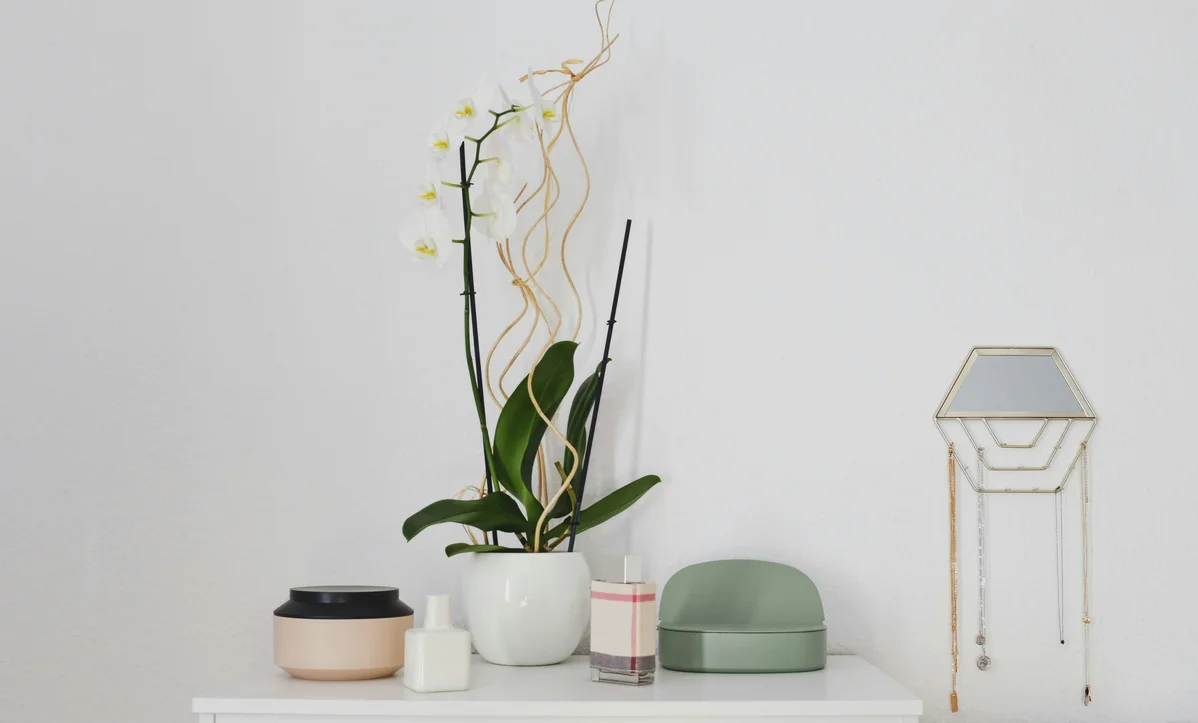
5. DIY Shading Solutions
Creating DIY shading solutions can dramatically reduce indoor temperatures. You can block sunlight from entering your home. This keeps it cooler during hot days. Use curtains or blinds to cover windows. Opt for light-colored fabrics that reflect sunlight rather than absorb it. If you want to get creative, consider making outdoor shades using bamboo or fabric. These can hang over windows or patios to block direct sunlight. You can also create a shaded area with outdoor umbrellas or awnings to provide relief from the sun. Another effective method is planting trees or shrubs outside your home. These natural barriers provide shade and lower the temperature around your home. The right plants can also improve curb appeal and enhance your outdoor space.Frequently Asked Questions
How can I stay cool without air conditioning?
Staying cool without air conditioning is achievable through various methods. For instance, 30% of households prefer this approach as reported by the Energy Department in 2023. These methods include using fans, maximizing window ventilation, and preparing no-cook meals. Using fans can lower perceived temperatures significantly. This applies to anyone looking to reduce energy costs during summer. Position fans strategically around your home.
What are some no-cook meals for summer?
No-cook meals are perfect for hot weather and include salads and cold sandwiches. In 2023, the growing trend of no-cook meals has gained popularity among families. Preparing these meals helps keep kitchens cooler without using heat-producing appliances. This is especially helpful for those who want to avoid excessive cooking during summer. Try making a refreshing pasta salad with seasonal vegetables.
Can plants help keep my home cool?
Indoor plants can indeed help keep your home cool through transpiration. Research from 2023 shows that plants can lower indoor temperatures effectively. As plants release moisture, they increase humidity and cool the surrounding air. This is beneficial for anyone wanting to enhance indoor comfort without relying on AC. Consider adding ferns or spider plants to your living space for optimal results.
What are some effective fan techniques for cooling?
Effective fan techniques can significantly improve comfort without AC. A study in 2023 found that using fans can reduce perceived temperature by up to 10 degrees. This happens as fans help circulate air and create a cooling breeze. These techniques apply to anyone seeking alternatives to air conditioning. Position fans near windows during cooler evenings for optimal airflow.
When should I open my windows to cool my home?
Opening windows during early mornings and late evenings is best for cooling. In 2023, studies indicated that this strategy allows cooler outside air to enter. This works because outdoor temperatures drop significantly during these times. Homeowners can benefit from this method by improving indoor air quality. Keep windows open when outdoor air is cooler than indoor air.