
Drain Fuel or Use Stabilizer for Snowblower Storage
The most important step in storing your snowblower is addressing the fuel. Gasoline can break down in about a month, leading to engine problems. According to Family Handyman, using a fuel stabilizer can keep gas usable for up to two years. So, you can put your snowblower away without worrying about the fuel causing issues next winter. If you choose not to use a stabilizer, draining the fuel is essential. Run your snowblower until it runs out of gas. This ensures there's no remaining fuel that can break down over time. If you decide to use a stabilizer, add it to a full tank of gas. This minimizes moisture buildup and helps the stabilizer work well. Then, run the snowblower for a few minutes to circulate the treated fuel throughout the system. By taking these steps, you protect your snowblower from the bad effects of stale fuel. A clean fuel system means fewer repairs and better performance when winter arrives. The time you spend preparing your snowblower will pay off in the long run.Change Oil: Ensure Freshness Before Storing
Changing the oil before storing your snowblower is key for good performance. Fresh oil protects the engine from dirt and wear. Steve Corcoran from Lawn Love emphasizes this point, saying that starting with clean oil helps keep the engine healthy. To change the oil, first run your snowblower for a few minutes. This warms the oil, allowing it to drain more easily. Once warmed, disconnect the spark plug wire to prevent accidental starts. Then, locate the drain plug and let the old oil drain completely. Once drained, replace the drain plug and refill the engine with new oil, usually 5W-30. After replacing the oil, run the snowblower for a few minutes again. This spreads the fresh oil throughout the engine, ensuring complete protection. Dispose of the used oil according to local rules to prevent harm to the place. By changing the oil, you ensure your snowblower stays in top shape, ready for winter weather.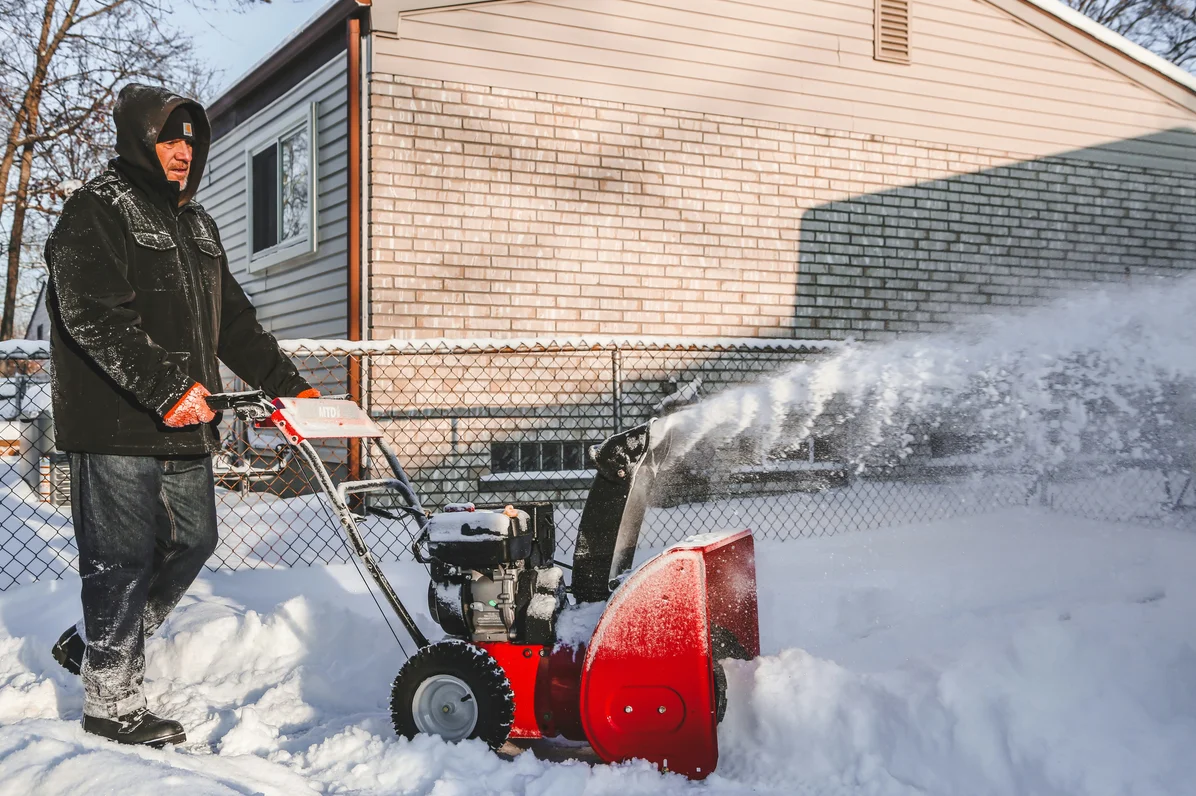
Inspect and Replace Worn Parts for Longevity
Regular inspections can greatly extend the life of your snowblower. Over time, parts like belts and blades can wear down, leading to less efficiency. According to Family Handyman, visually checking these parts before storage can save you from costly repairs later. Check the drive and auger belts for frays, tears, or slack. If you find any damaged belts, replace them. Next, manually rotate the auger blade to ensure it moves freely. Remove any debris that may have built up during use, as this can hurt performance. Don't forget to check shear pins as well. These pins can break or become damaged, affecting the snowblower's ability to clear snow well. Keeping your snowblower in good working order ensures it runs smoothly when you need it most. This proactive approach to maintenance helps you avoid surprises when winter returns.Clean the Snowblower to Prevent Rust
Cleaning your snowblower before storing it is essential for preventing rust. Snowblowers can collect dirt, salt, and debris during use. If left unchecked, these materials can lead to corrosion, impacting the machine's life. Family Handyman recommends a full cleaning as a key step in your off-season maintenance routine. Use a garden hose to wash off any dirt and debris on the outside. Pay special attention to areas where salt has built up, as this can harm the paint and metal. After washing, dry the snowblower completely to prevent moisture from causing rust. Once dry, consider applying a rust inhibitor spray to protect the metal parts. This simple step can shield your snowblower from the elements while it sits idle. A clean machine not only looks better but also works better when it's time to clear snow again.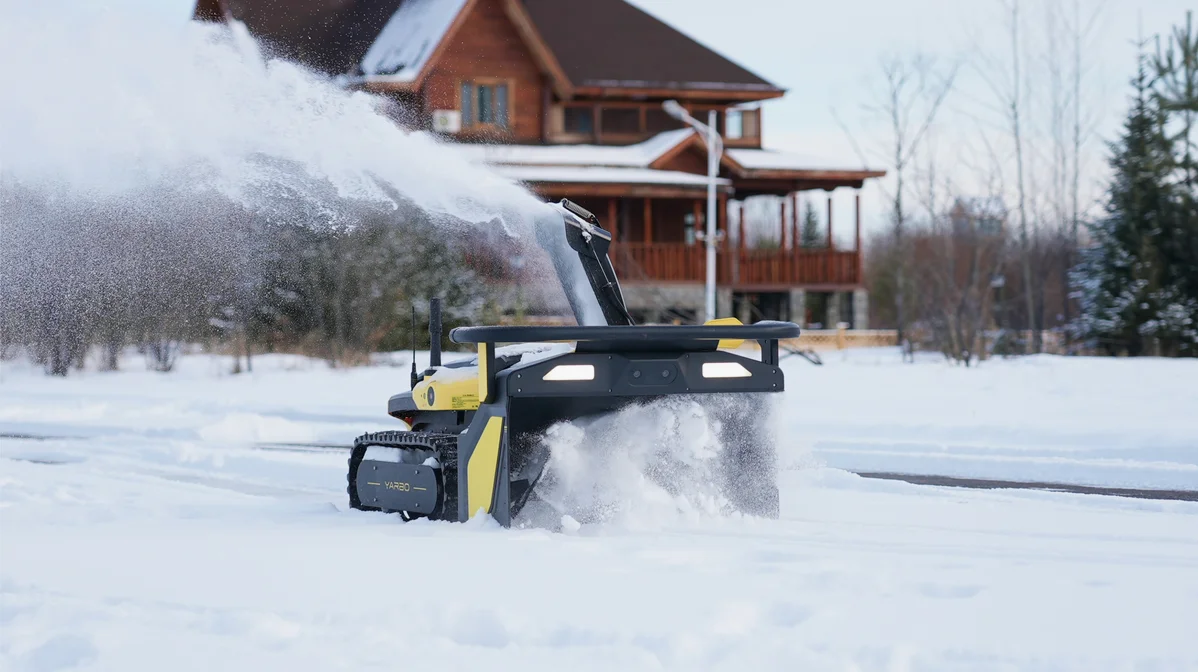
Safe Storage: Ideal Conditions for Your Equipment
Storing your snowblower in the right conditions is key for keeping its performance. Ideally, keep your snowblower in a dry, cool place, away from extreme temperatures. Humidity and heat can lead to rust and damage to parts, hurting your equipment. If possible, place your snowblower on a shelf or in a corner of your garage, away from moisture. Use a cover to protect it from dust and debris. Ensure the area is well-ventilated, as this helps prevent moisture buildup. Consider using a dehumidifier in damp areas to control humidity levels. This small investment can save you from bigger repair bills later. By choosing the right storage conditions, you'll keep your snowblower safe and ready for action when winter returns.Frequently Asked Questions
How long can I store my snowblower without using it?
You can store your snowblower for several months, but ensure you use fuel stabilizer to keep the gas fresh for up to two years.
What steps should I follow for snowblower maintenance?
Key maintenance steps include draining fuel or adding stabilizer, changing the oil, and checking for worn parts before storage.
Why is it important to change the oil before storing my snowblower?
Changing the oil prevents dirt from causing damage, ensuring your snowblower runs smoothly when you need it next winter.
Can I leave fuel in my snowblower during the off-season?
It's not recommended to leave fuel in your snowblower unless you use a stabilizer, as gas can break down and damage the engine.
When should I perform maintenance on my snowblower?
Perform maintenance on your snowblower at the end of the snow season, before storing it away for the summer.