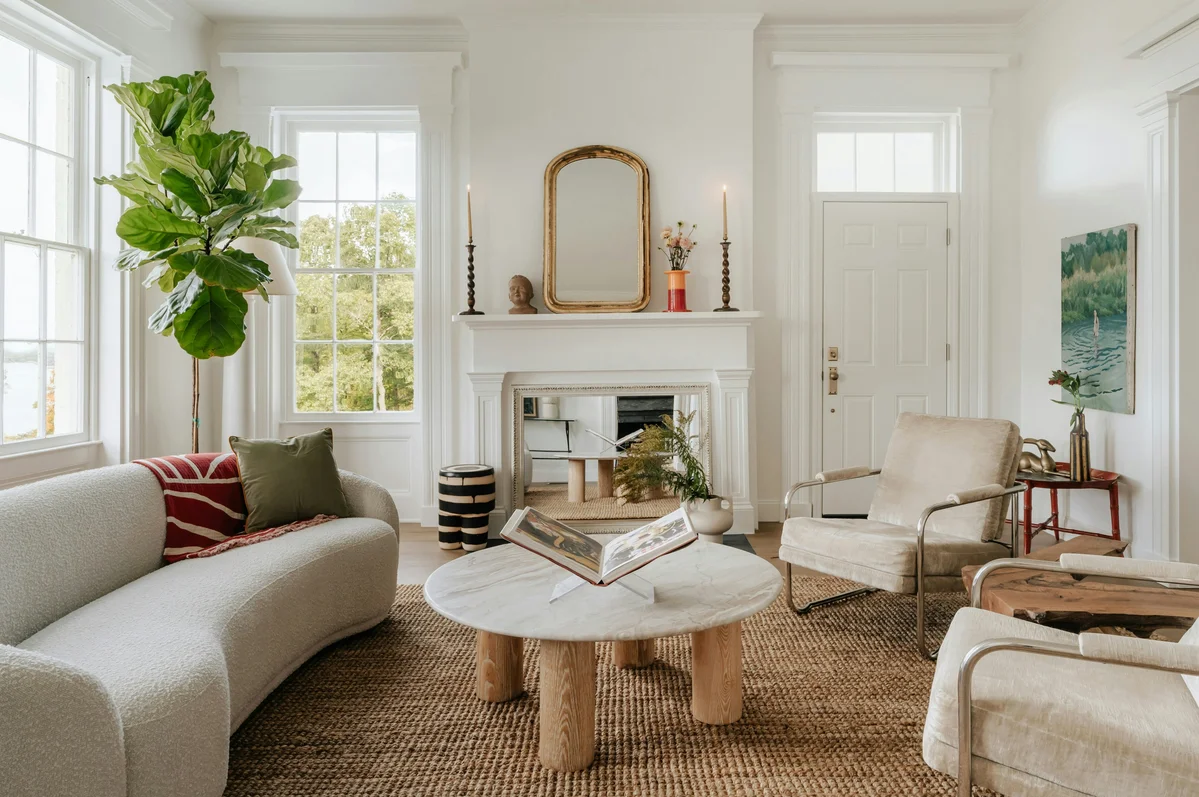
1940s: The War's Impact on Home Interiors
The 1940s were marked by the effects of World War II on American homes. Due to shortages of materials, many homes maintained a static look. Classic 1930s features dominated interiors. These included damask curtains and furniture with curved lines inspired by Streamline Moderne design. This style emphasized aerodynamics. It reflected the technological advancements of the time. Kitchens were compact but equipped with modern appliances. They showcased a blend of practicality and style. The living room often featured radios, the primary entertainment source. Televisions were still too expensive for most families. In fact, over 80% of American households had radios during this era. As the war ended, midcentury modern design began to take root. It set the stage for the next decade. Floral patterns were popular in upholstery. They hinted at a gradual shift toward more modern aesthetics. This transitional period influenced future trends. Homes slowly began to incorporate new design ideas. The 1940s were significant in shaping American homes. They reflected a time of resilience and adaptation. This laid the foundation for the styles that followed.1950s: The Rise of Midcentury Modern Design
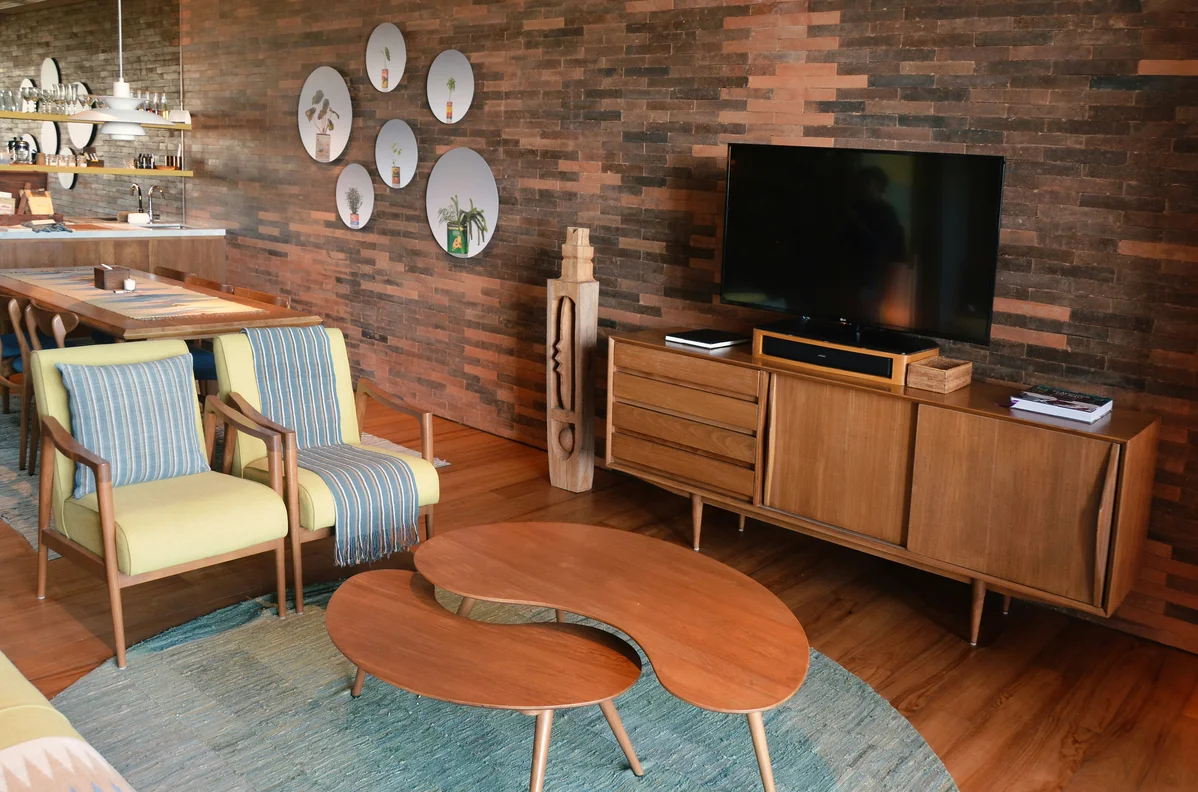
- Identify key features: Focus on clean lines, organic forms, and minimal ornamentation in furniture and decor to embody midcentury modern style.
- Incorporate natural materials: Use wood, leather, and metal accents in furnishings to create a warm and inviting atmosphere.
- Embrace open spaces: Design living areas to flow into one another. This promotes social interaction and a sense of community.
- Add bold colors: Use bright shades like orange, teal, and mustard to enliven rooms. This reflects the optimism of the post-war era.
- Include iconic furniture pieces: Incorporate designs like the Eames Lounge Chair or the Saarinen Tulip Table to capture the essence of midcentury modern.
1960s: Bold Colors and Eclectic Styles
The 1960s brought a notable shift in home design. It was characterized by bold colors and eclectic styles. This era reflected significant cultural changes. There was a push towards individuality and self-expression. Bright oranges, greens, and yellows dominated interiors. They created lively spaces that matched the energy of the time. As the counterculture movement gained momentum, homes were filled with a mix of styles. These ranged from retro to bohemian. This eclectic approach encouraged mixing patterns and feel. There was an emphasis on personal taste. Family rooms often featured statement pieces. These included oversized floral prints and funky furniture. Pro Tip: Midcentury modern design surged post-WWII. It changed American interiors into spaces of optimism and innovation. Lasting influences are seen today. The influence of pop art also seeped into home design. This led to a playful aesthetic. Items such as psychedelic wallpapers and abstract art became common. They reflected the era's spirit. The 1960s were a time of experimentation. Homeowners created unique environments that told their stories. This decade marked a significant departure from previous trends. It showcased a newfound freedom in design choices. The bold and eclectic styles of the 1960s continue to inspire modern decor today.1970s: Shag Carpeting and Floral Prints
The 1970s introduced distinctive features in American homes. These included shag carpeting and floral prints. This decade embraced comfort. Plush carpets became a staple in living rooms and bedrooms. Shag carpeting offered a soft feel underfoot. It invited families to relax and enjoy their spaces. Floral prints were everywhere. They appeared in wallpaper and upholstery. This reflected a connection to nature. This trend brought the outdoors inside. It created a warm and inviting atmosphere. The combination of bold colors and patterns characterized home interiors. Many rooms featured mismatched styles that somehow worked together. The 1970s also saw the rise of open-concept living spaces. These encouraged interaction among family members. Kitchens often blended with dining and living areas. This made homes feel more communal. This shift mirrored changing family dynamics. It represented a move towards more casual living. Overall, the 1970s were a celebration of comfort and originality. These design choices reflected a cultural desire for relaxation and self-expression in everyday life.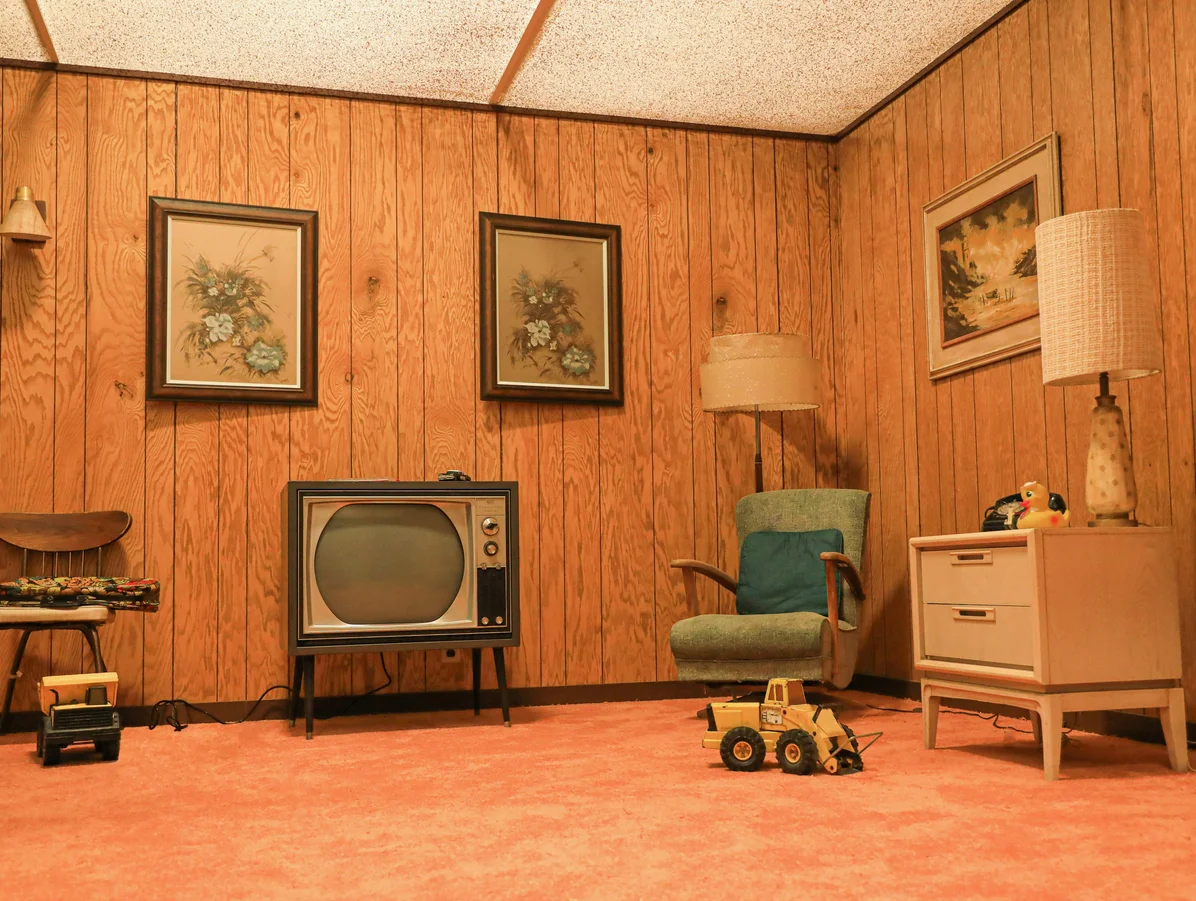
1980s to 2015: The Evolution of American Homes
The evolution of American homes from the 1980s to 2015 showcased a blend of traditional and contemporary styles. The 1980s favored grandeur. Oversized furniture and ornate details became popular. Homes often featured rich woods, brass accents, and detailed moldings. This created an air of sophistication. As the 1990s approached, minimalism began to take hold. Homeowners started to favor simpler designs. They focused on functionality and clean lines. This shift paved the way for open-concept floor plans. These became standard in the 2000s. They promoted a casual lifestyle. By the 2010s, sustainability emerged as a key factor in home design. Eco-friendly materials and energy-efficient appliances gained popularity. This reflected a growing awareness of environmental issues. Smart home technology also became commonplace. It allowed homeowners to control lighting, security, and climate with ease. From the opulence of the 1980s to the eco-conscious designs of the 2010s, American homes changed greatly over these decades. Each era left its mark. This created a diverse range of styles and innovations that continue to influence modern design.Frequently Asked Questions
What were common design trends in 1940s American homes?
1940s American homes featured classic design elements, influenced by World War II. Many materials were scarce, leading to static decor styles. The Chicago History Museum noted that radios were the main entertainment source in over 80% of homes during this time. These homes often showcased floral patterns and compact kitchens with modern appliances. This era affected families seeking comfort in their living environments. To adapt, consider incorporating vintage elements into modern designs.
How did midcentury modern design change American homes?
Midcentury modern design changed American homes by emphasizing simplicity and functionality. In the 1950s, this style saw a significant rise, influencing countless interiors. Researchers noted that this movement focused on clean lines and organic forms, appealing to post-war sensibilities. Homeowners valued open spaces and natural materials, which created a welcoming environment. This change affected families looking for modern aesthetics in their living spaces. To embrace this style, consider using iconic furniture pieces in your home.
What styles defined American homes in the 1960s?
The 1960s were defined by bold colors and eclectic styles in American homes. Bright hues like orange and yellow became popular, reflecting the lively culture of the time. The Chicago History Museum highlighted how this decade encouraged mixing patterns and textures for a unique look. This shift allowed homeowners to express their individuality and creativity. It affected families seeking a more personalized living environment. To capture this style, explore incorporating playful decor elements into your home.
How did the evolution of technology impact home design?
The evolution of technology significantly impacted home design throughout the decades. By the 1980s, homeowners began to embrace smart home technology and modern appliances. According to a 2014 survey, over 60% of new homes included energy-efficient features. This trend reflected a growing awareness of environmental responsibility and energy savings. This evolution affected families seeking convenience and sustainability in their homes. To adapt, consider integrating smart technologies into your living space.
What were the key features of 1970s home interiors?
Key features of 1970s home interiors included shag carpeting and bold floral prints. Shag carpets became popular for their comfort and unique texture, while floral patterns dominated walls and upholstery. The Chicago History Museum noted that open-concept spaces encouraged casual living during this time. These design choices reflected a desire for comfort and creativity in home environments. This period affected families looking to create inviting spaces. To capture this era, consider incorporating retro elements into your decor. For background context, see Parkway Garden Homes on Wikipedia.