1. Why Wasps Are a Problem in Your Garden
Wasps can be a serious nuisance in gardens. Their aggressive nature makes them a danger to those who venture too close. Unlike bees, which are generally docile, wasps will sting without much provocation. This makes outdoor activities uncomfortable and sometimes unsafe. In addition to their painful stings, wasps can ruin food picnics. They are attracted to sugary foods and drinks. This turns a pleasant meal into a stressful experience. If you have pets or children, wasps can pose an even greater risk. Their presence may lead to accidents, especially if someone is allergic. Moreover, wasps can disrupt your garden's ecosystem. They prey on pests but can also harm beneficial insects. This imbalance can damage your plants and make gardening less enjoyable. Taking steps to repel wasps can restore harmony to your outdoor space.2. Essential Oils That Repel Wasps
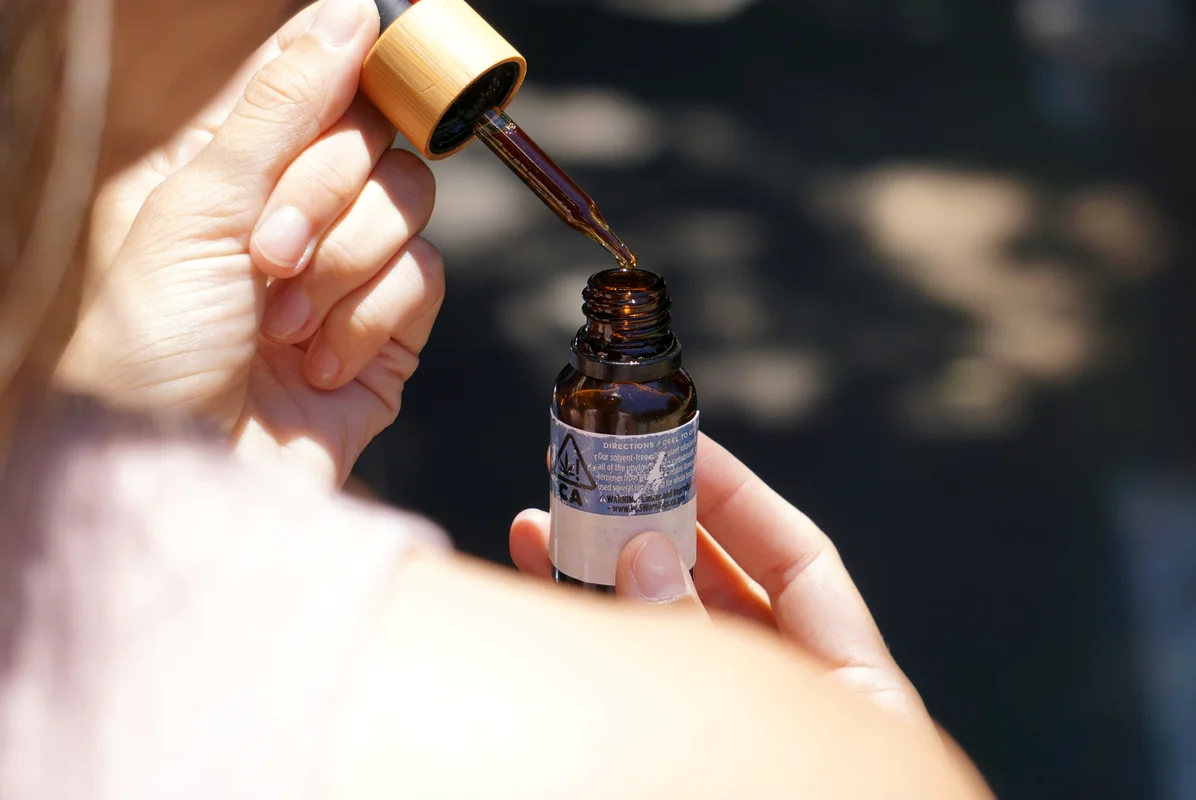
Certain essential oils are known to repel wasps well. Oils from the Artemisia genus, such as wormwood and mugwort, contain strong compounds that deter these pests. These oils have a distinctive odor that is unpleasant to wasps. This makes them a great choice for natural repellents. Pro Tip: A 2014 study found that essential oils from the Artemisia genus can effectively deter wasps. This makes them a smart choice for natural pest control. In the study, researchers tested 66 samples. They discovered that these oils greatly reduce wasp activity. The compounds in these oils, like 1,8-cineole (eucalyptol), interfere with the wasps' ability to detect scents. This makes it harder for them to locate food sources. Using essential oils not only creates a safer environment but is also eco-friendly. You avoid harsh chemicals that can harm beneficial insects and the environment. Incorporating these oils into your pest management routine can lead to a more pleasant outdoor experience.
3. How to Make a DIY Wasp Repellent Spray
- Gather your ingredients: Collect essential oils from the Artemisia genus, distilled water, and a small spray bottle.
- Mix the solution: Pour 2 cups of distilled water into the spray bottle. Add 10-15 drops of your chosen essential oil.
- Shake well: Secure the lid. Shake the bottle vigorously to mix the oils with the water.
- Test the spray: Apply a small amount on your skin to check for allergies before widespread use.
- Apply the spray: Spray the mixture on your clothing, outdoor furniture, and areas where wasps are active.
- Refresh as needed: Reapply every few hours, especially after rain, to maintain power.
4. Tips for Using Essential Oils Safely
Using essential oils requires caution to avoid bad reactions. Always perform a patch test before applying them to your skin. Some people may experience allergic reactions, which can be uncomfortable. If you notice any irritation, discontinue use immediately. Store essential oils in a cool, dark place to maintain their power. Contact with sunlight can degrade their quality, making them less effective against wasps. Additionally, always dilute essential oils before applying them to your skin or any surfaces. This helps reduce the risk of irritation. When using sprays outdoors, avoid windy days. This ensures the oil stays where you apply it. Wind can carry the scent away and reduce its power. Lastly, consider using a diffuser for longer-lasting effects, especially if you’re staying in one area for a while.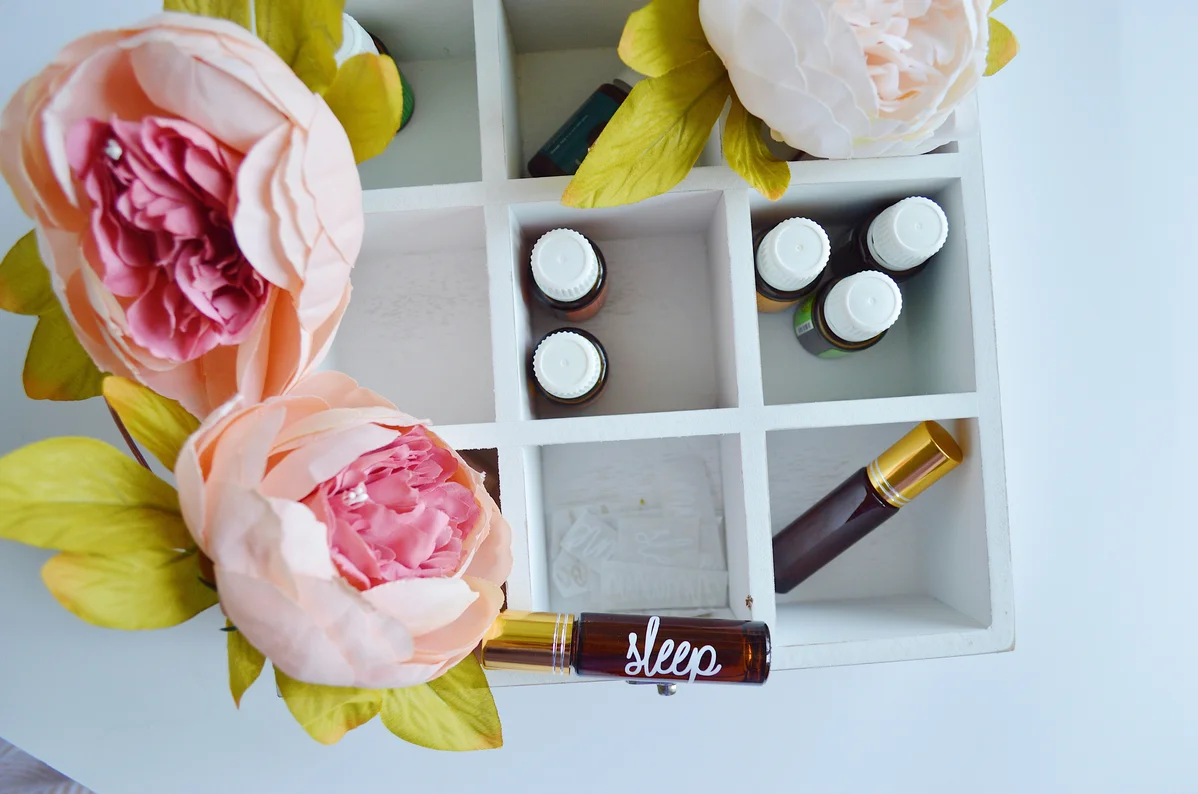
5. Additional Natural Methods to Keep Wasps Away
Besides essential oils, several other natural methods can help keep wasps at bay. Planting specific flowers can act as natural deterrents. Marigolds and mint are known to repel wasps and can be grown around your garden. Another option is to create fake wasp nests. Wasps are territorial creatures. Seeing a nest can deter them from setting up camp nearby. You can easily make a fake nest using a brown paper bag. Hang it in areas where wasps are likely to gather. Keeping food covered is crucial, especially during outdoor events. Ensure that sugary drinks and food items are sealed until served. This reduces the chances of attracting wasps to your gathering. Lastly, check your home for potential nests. If you find one nearby, it’s best to contact a pest management company to handle it safely. Taking these steps can greatly reduce wasp activity in your outdoor space.Frequently Asked Questions
How effective are essential oils at repelling wasps?
Essential oils are quite effective at repelling wasps when used properly. A study showed that oils from the Artemisia genus can significantly deter these pests. Researchers published this finding in the journal Insects in 2014. The strong scents interfere with wasps' ability to detect food and pheromones. This is particularly relevant for outdoor enthusiasts dealing with wasp problems. Consider trying these oils in your garden to see results.
What essential oils are best for repelling wasps?
Some of the best essential oils for repelling wasps include wormwood, mugwort, and sagebrush. A 2014 study found these oils among the most effective in deterring wasps. The research was conducted by scientists and published in Insects. Their strong scents confuse wasps and hinder their ability to locate food. This is useful for gardeners and outdoor lovers wanting to avoid stings. Experiment with these oils to find the most effective combination for you.
Can I use essential oils directly on my skin?
It's not recommended to apply essential oils directly to your skin without dilution. Studies suggest that undiluted oils can cause skin irritation in some individuals. Research from the American Academy of Dermatology indicates dilution is crucial. Essential oils are potent and can lead to allergic reactions if misused. This is especially important for those with sensitive skin. Always dilute oils with a carrier oil before applying them to your skin.
When should I apply essential oils to repel wasps?
The best time to apply essential oils is before outdoor activities. A study showed that applying them in advance can prevent wasps from approaching. Researchers recommend using these oils early in the day when wasps are most active. This is crucial for enjoying picnics or outdoor gatherings without interruption. Timing your application can significantly enhance its effectiveness. Plan to reapply every few hours for the best results.
Is there a DIY method for making wasp repellent?
Yes, making a DIY wasp repellent is easy and effective. A simple recipe includes mixing essential oils with distilled water in a spray bottle. Research shows that a few drops of Artemisia oils can significantly deter wasps. The process allows you to control the ingredients and avoid chemicals. This is helpful for those looking for natural pest control solutions. Consider making a batch today to keep your outdoor space safe. For background context, see Essential oil on Wikipedia.
Related Analysis
Repel Carpenter Bees with This Natural Fragrance They Dislike
Looking for an eco-friendly way to repel carpenter bees? Almond oil's strong scent might be the...
Keep Ticks Away: Easy DIY Spray Using Cedar Oil
Want to keep ticks away naturally? Create your own DIY tick spray using cedar oil for a safe and...
What To Do If You Find A Sand Wasp Nest In Your Yard
Finding a sand wasp nest can be alarming, but these wasps play a vital role in pest control....