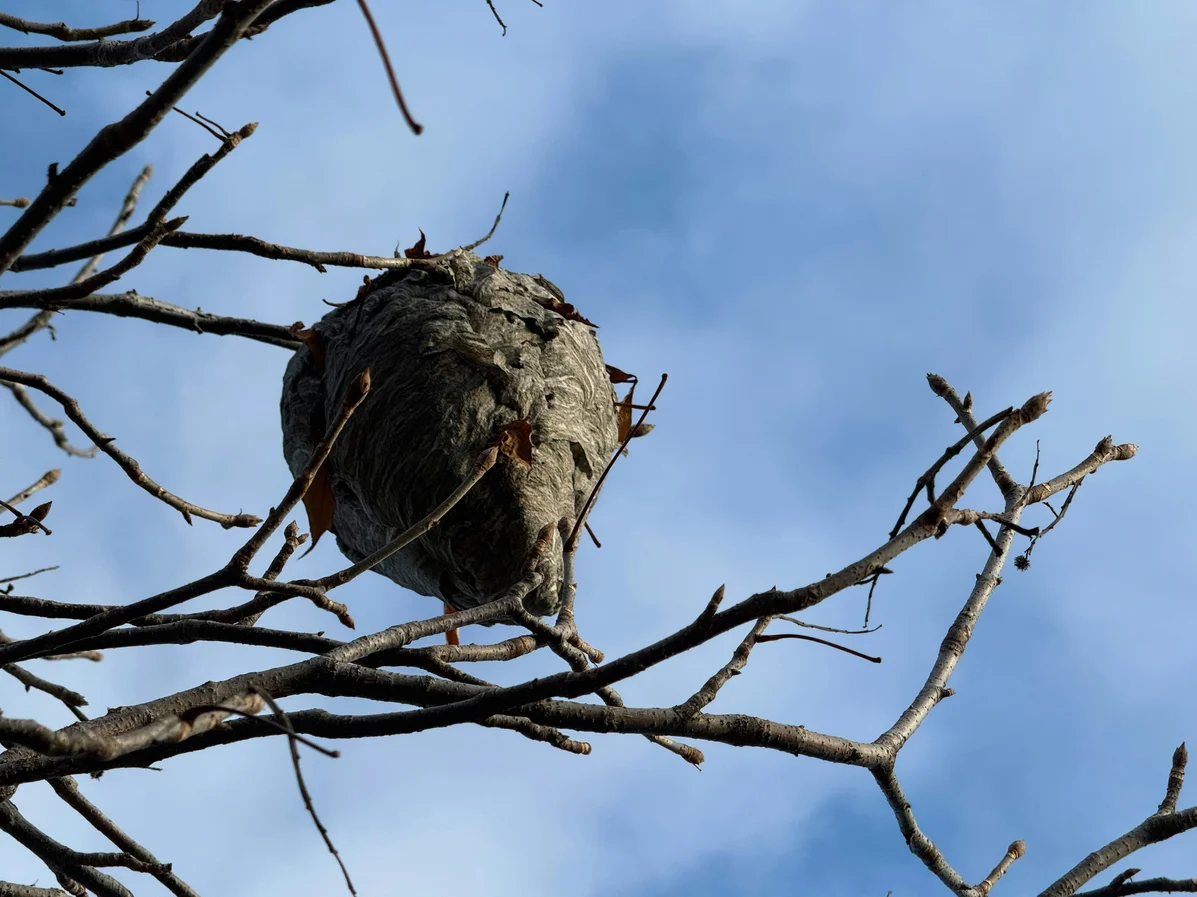
1. Identifying a Bald-Faced Hornet Nest
Identifying a bald-faced hornet nest is the first step in managing their presence. These nests are typically made from a mix of wood fibers and saliva, giving them a papery appearance. They can be quite large, often resembling a basketball, and are usually located high up in trees or under eaves. The nests are light despite their size and consist of multiple cells where the hornets raise their young. If you notice a large, round structure in your yard, it's likely a bald-faced hornet nest. These insects are black with white markings, making them distinct from other wasps. You might see the hornets flying in and out of the nest, especially during warmer months. Remember, the presence of these hornets means there's a nest nearby, usually within 200 yards. Tracking the hornets can help you pinpoint the nest's location. If you see them foraging for food or returning to the nest, you can often follow their flight path. This knowledge is key for deciding whether to leave the nest alone or take action for bald-faced hornet nest removal.2. Why You Should Leave It Alone
Leaving a bald-faced hornet nest alone can be beneficial for both you and the local ecosystem. These insects are not aggressive; they only sting when they feel threatened. If the nest is outside and not in a high-traffic area, it might be wise to let it be. The hornets will die off in winter, and the nest won't be reused. Pro Tip: Bald-faced hornets can help reduce pest populations in your garden, according to the University of Illinois research. Bald-faced hornets are important pollinators. They contribute to the health of your garden by controlling pests. A study by the National Pest Management Association showed that they can be beneficial to local ecosystems. Allowing them to stay can help you maintain a balanced garden environment. If you encounter a nest in a location where it poses a risk, such as inside your home, that's a different story. In such cases, professional help is advisable, as removing a nest can be dangerous. Understanding the benefits of these insects can help you assess how to handle their presence.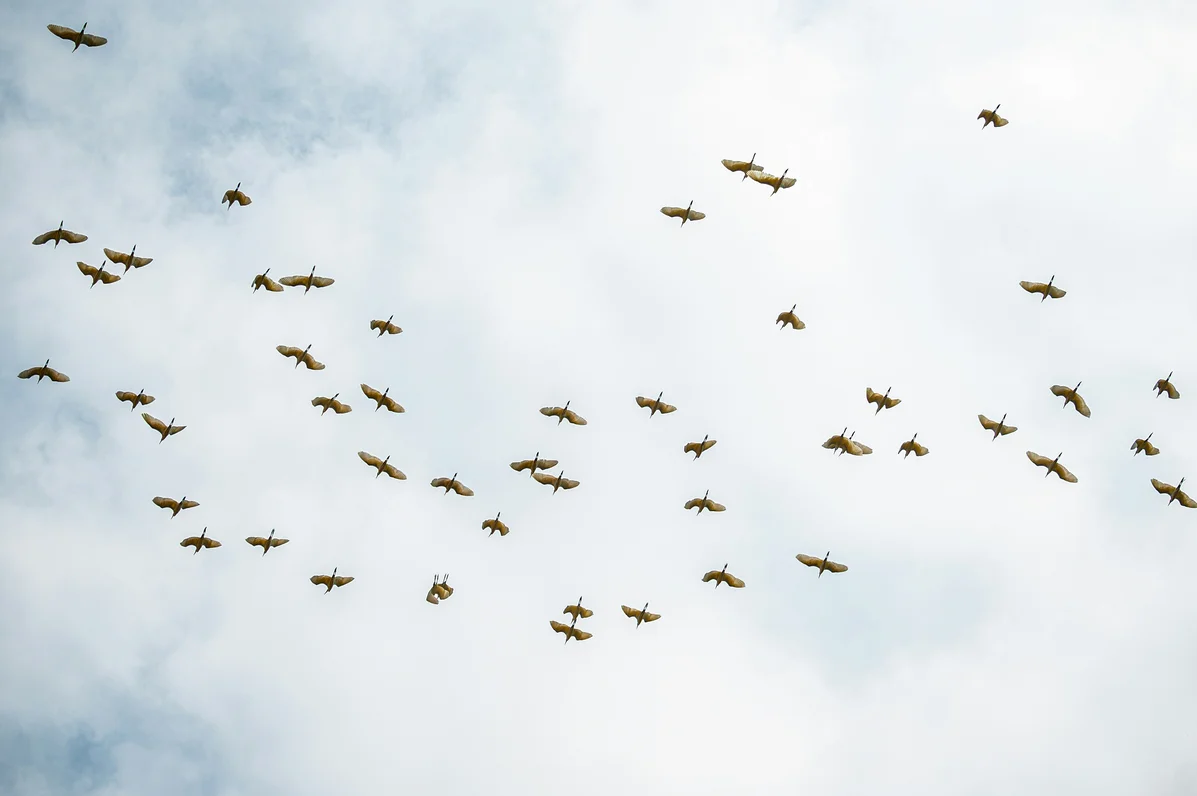
3. When to Consider Removal
Consider removal of a bald-faced hornet nest if it poses a direct threat to you or your family. Signs that removal may be necessary include if the nest is located near play areas or paths frequently traveled by people. In these cases, the risk of stings increases, especially if someone has allergies to insect stings. A study by the University of Florida emphasizes that bald-faced hornets can sting multiple times, heightening the risk of allergic reactions. If you notice aggressive behavior from the hornets, such as them swarming or defending their nest aggressively, it's a clear sign that removal should be considered. Even if you find a nest in a less trafficked area, keeping an eye on it is essential. If the nest grows significantly or you see more hornets than usual, it may be time to take action. Always assess the situation carefully before deciding to remove the nest.4. Safe Removal Methods
- Assess the situation: Determine if the nest is active and how close it is to your home.
- Choose a time: Plan to remove the nest in the evening when hornets are less active.
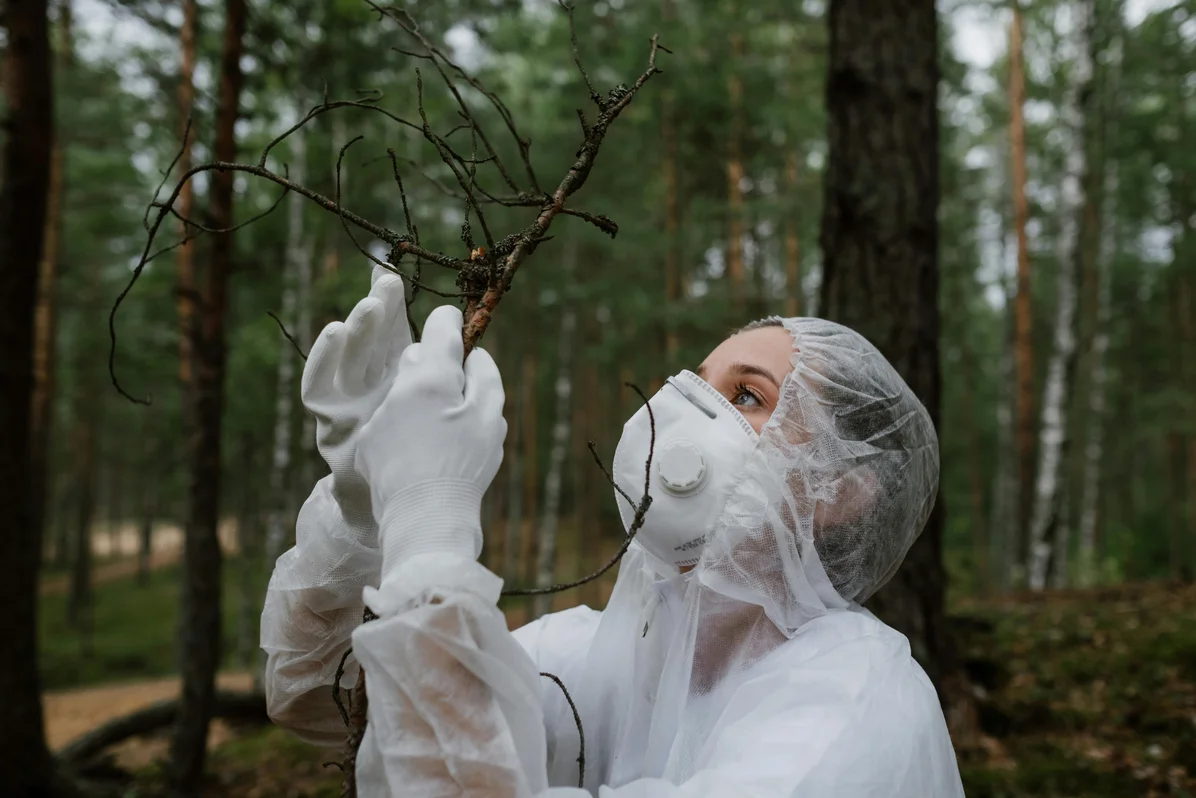
- Wear protective gear: Put on long sleeves, pants, gloves, and a face mask to protect yourself.
- Use a commercial insecticide: Apply a specifically designed hornet spray from a safe distance, following the label instructions.
- Monitor the nest: Check the nest the next day to ensure there is no activity. If hornets are still present, repeat the insecticide application.
- Remove the nest: Once you are sure the hornets are gone, safely remove the nest and dispose of it properly.
5. Benefits of Bald-Faced Hornets
Bald-faced hornets, despite their fearsome reputation, offer several benefits. They play a key role as pollinators, helping to fertilize plants. This is vital for maintaining the health of local ecosystems. Their presence can enhance the productivity of your garden by controlling pest populations. Research from the University of Illinois indicates that these hornets can help manage harmful insect species. By preying on pests, they reduce the need for chemical pesticides. This natural pest control method is better for the environment and your health. Bald-faced hornets can act as a deterrent against other wasps. Their nests can sometimes prevent other, more aggressive wasp species from setting up shop nearby. So, while they may seem intimidating, these hornets are often more beneficial than harmful.Frequently Asked Questions
How can I identify a bald-faced hornet nest?
A bald-faced hornet nest is usually large, resembling a basketball. These nests are made of wood fibers and saliva, creating a papery texture. According to the University of Florida, they can house hundreds of hornets. The nests are often found in trees or under eaves. Identifying these nests early can help you decide on a course of action. If you see a large, round structure, it's likely a bald-faced hornet nest.
Why is it better to leave a hornet nest alone?
Leaving a hornet nest alone can promote local ecosystem health. Bald-faced hornets contribute to pollination and control pest populations. Research from the National Pest Management Association shows their ecological benefits. These insects often become less aggressive when left undisturbed. Allowing them to remain can help maintain a balanced garden. If the nest is not in a high-traffic area, consider letting it be.
When should I remove a bald-faced hornet nest?
Removing a bald-faced hornet nest is necessary when it poses a threat. If the nest is close to play areas, it can lead to stings. According to the University of Florida, their stings can cause allergic reactions. Aggressive behavior from hornets indicates a need for removal. If you observe swarming or increased activity, act accordingly. Assess the situation carefully before deciding to remove the nest.
Can bald-faced hornets benefit my garden?
Bald-faced hornets can significantly benefit gardens by pollinating plants. Research from the University of Illinois indicates they help control pest populations. This natural pest control reduces the need for harmful chemicals. Their presence can lead to healthier plants and better yields. Allowing them to thrive can enhance your garden's ecosystem. Consider their benefits before deciding to remove a nest.
Is it safe to approach a bald-faced hornet nest?
Approaching a bald-faced hornet nest can be dangerous, especially if disturbed. These hornets can sting multiple times, increasing the risk of allergic reactions. According to the University of Florida, their stings can be quite painful. If you see hornets flying near the nest, stay away. Always assess the risk before getting too close. If necessary, seek professional help for removal. For background context, see Asian giant hornet on Wikipedia.