1. Over-tightening Connections Can Lead to Issues
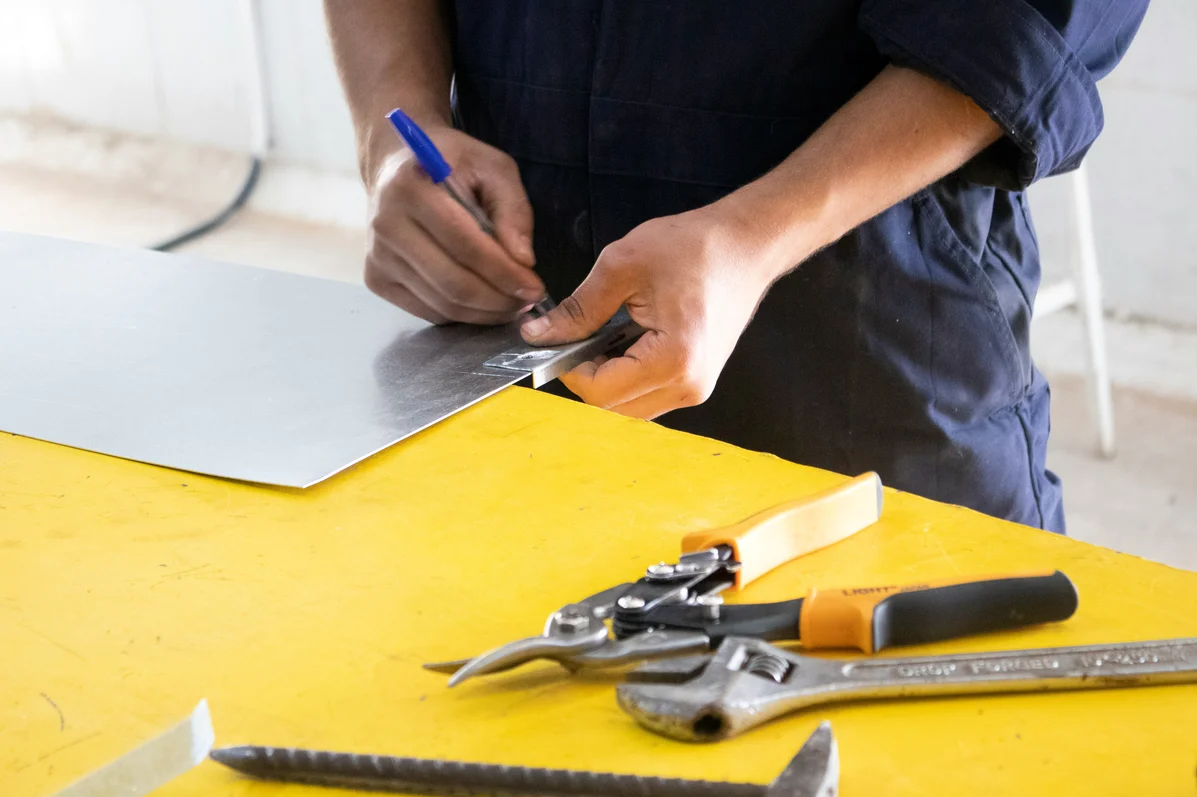
One major mistake beginners often make is over-tightening connections, especially in plumbing. Many believe that if a little tightness is good, more is better. This mindset can lead to big problems. Over-tightening can cause small cracks in pipes or fittings. These cracks can lead to leaks that may not appear immediately. In fact, Plumbing Today (2023) found that 25% of DIYers face plumbing issues caused by this very mistake. When you tighten a connection too much, you risk damaging the threads. This makes future repairs difficult. It can also lead to joint failures. Joint failures can be messy and expensive to fix. A better approach is to tighten connections until they are snug but not excessively tight. This ensures they remain secure without causing damage. Materials expand and contract with temperature changes. Tightening too much can lead to stress fractures over time. Always check your connections after a few days to ensure there are no leaks. By taking a cautious approach to tightening, you can avoid unnecessary headaches later on.2. Importance of Proper Caulking Techniques
- Gather your materials: Ensure you have quality caulk, a caulking gun, and cleaning supplies ready.
- Prepare the surface: Clean the area thoroughly, removing old caulk and debris. This ensures a strong bond.
- Fill the tub: Before caulking, fill the tub with water. This prevents the caulk from stretching and failing.
- Apply the caulk: Use steady pressure on the caulking gun to apply a consistent bead along the seam.
- Smooth the caulk: Use your finger or a caulk-smoothing tool to smooth the bead and ensure proper adhesion.
- Allow to cure: Let the caulk cure for the recommended time before using the tub. This ensures a watertight seal.
3. Not Having the Right Tools at Hand
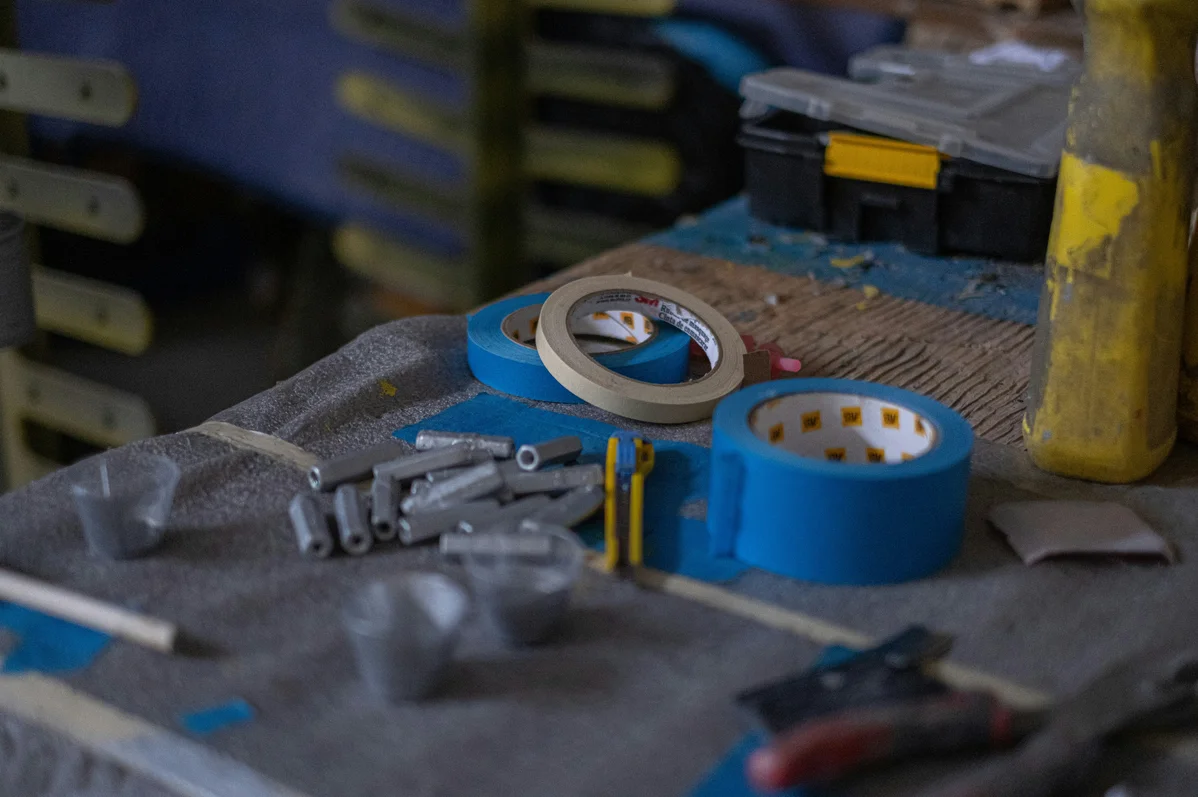
Many DIYers jump into projects without the necessary tools. This can lead to delays and frustration. Having the right tools makes any job easier and more efficient. Without them, you may end up improvising. This can lead to mistakes. For example, using the wrong size wrench can strip bolts or lead to over-tightening. Pro Tip: Over-tightening can cause plumbing issues in 25% of cases, according to Plumbing Today (2023). Common tools for DIY projects include a tape measure, level, drill, and various hand tools. Each tool serves a specific purpose. Using the right one is critical. If you find yourself using a tool that isn’t ideal, stop and reassess your options. Investing in quality tools can save you money in the long run. They last longer and perform better than cheaper alternatives. Always check your inventory before starting a project to ensure you have what you need. This simple step can prevent unnecessary complications.4. Ignoring Safety Precautions
Safety should always be a priority when tackling DIY projects. Ignoring basic safety measures can lead to accidents that may cause injury or damage. In fact, 40% of DIYers skip safety precautions, according to Safety First Reports (2023). This oversight can result in serious consequences, including cuts, falls, or electrical shocks. Before starting any project, take time to assess potential hazards. Ensure you have the necessary safety gear, like goggles, gloves, and a mask. Always turn off water and electricity before beginning work in those areas. This simple step can prevent costly accidents. Familiarize yourself with the tools you'll be using. Read the manuals or watch tutorials to understand their operation. Knowing how to use your tools safely can prevent accidents. Always maintain a clean workspace to avoid tripping hazards or distractions while working.5. Underestimating Project Complexity
Many beginners underestimate the complexity of their DIY projects. They might think a simple task will take a few hours. They often find it requires much more time and effort. This misjudgment can lead to frustration and incomplete projects. Being realistic about the time and effort needed is key. Before starting, break down the project into smaller tasks. Assess each component and how long it may take to complete. This will help you set a more accurate timeline and manage your expectations. Don’t hesitate to ask for help if a task seems too hard. Consider also researching similar projects online for insights and tips. Learning from others can provide valuable information that helps you avoid common pitfalls. By preparing thoroughly, you can approach your DIY project with confidence and clarity.Frequently Asked Questions
How can beginners avoid common DIY mistakes?
Beginners can avoid common DIY mistakes by planning carefully and understanding their tasks. In fact, 30% of DIY projects fail due to errors, according to Home Improvement Magazine (2023). This failure often stems from poor preparation and lack of knowledge. Many beginners rush into projects without proper guidance, leading to mistakes. These errors can result in wasted time and money. One action to take is to research your project requirements before starting.
What tools do I need for beginner DIY projects?
Beginners need basic tools like a hammer, screwdriver, and measuring tape for DIY projects. According to home improvement experts, having the right tools increases project success rates significantly. Tools help ensure accuracy and efficiency during tasks. Many beginners overlook this aspect, leading to frustrating experiences. This issue can affect both their confidence and progress. A solid first step is to create a checklist of essential tools for your planned projects.
Why is proper caulking important in DIY?
Proper caulking is essential in DIY projects to prevent water damage and improve aesthetics. A poorly done caulking job can lead to leaks, which may cause costly repairs later. According to home repair experts, caulking failure is a common issue for many DIYers. This happens because beginners often apply caulk incorrectly or at the wrong time. Such mistakes can affect the longevity of the work done. Always ensure caulk is applied when surfaces are properly prepared and dry.
Can over-tightening screws cause problems in DIY projects?
Yes, over-tightening screws can lead to significant problems in DIY projects. In fact, Plumbing Today (2023) states that 25% of DIYers experience plumbing issues from this mistake. Over-tightening can strip threads or cause cracks in materials. This issue affects the integrity of connections and can lead to leaks. Many beginners fail to recognize this, thinking tighter means better. A simple solution is to tighten connections just enough to ensure they are secure without excessive force.
When should I call a professional for my DIY project?
Calling a professional is advisable when a DIY project exceeds your skill level or threatens safety. Homeowners often underestimate the complexity of certain tasks, leading to mistakes. According to experts, seeking help can prevent costly damages and accidents. Many projects, like electrical work or major plumbing, require specific expertise. Ignoring this can result in serious issues down the line. A good rule is to consult a pro if you feel uncertain about the project at hand.