What Makes a Bantry Essential in Modern Kitchens
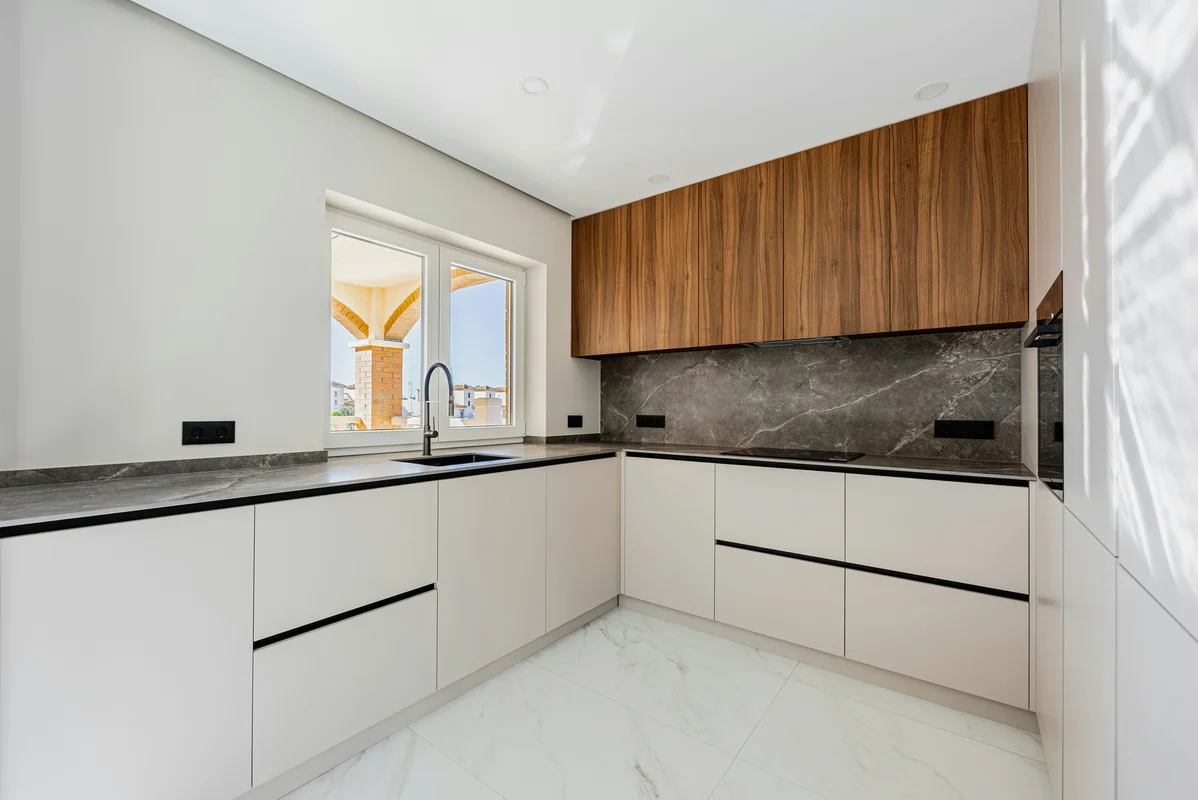
A bantry is key in modern kitchens because it offers a versatile space for storage and entertaining. Dvira Ovadia, a leading kitchen designer, emphasizes that bantries evolve the traditional pantry concept. They combine functionality with style, making them ideal for today’s open-concept homes. This design allows for efficient organization and a polished look. Bantries cater to the needs of busy households. They provide dedicated areas for coffee stations, cocktail supplies, and snack storage. This focus on organization helps keep the main kitchen uncluttered. Micaela Quinton of Copper Sky Design + Remodel points out that these areas can include features like beverage fridges and liquor displays. This design shift addresses practical needs for storage and functionality. Incorporating a bantry can significantly enhance usability in the kitchen. The space can help streamline meal prep and entertaining, reducing stress for the home cook. It’s about rethinking how the kitchen functions. In 2026, integrating a bantry can change the kitchen into a well-organized and enjoyable space.Key Features of an Effective Bantry Design
An effective bantry combines several essential features to optimize functionality. First, it should include ample storage options, such as cabinets and shelves, to keep items organized. According to Michelle Murphy of Demi Ryan, the bantry acts as a support system for the kitchen. It merges the depth of a pantry with the utility of a prep kitchen. Another important feature is designated zones for specific tasks. A beverage area can include coffee machines and wine coolers. This separation helps keep the main kitchen clear for cooking and meal prep. Secondary sinks allow for easy cleanup, allowing for a smooth workflow. The layout of a bantry is key. It should be designed with the user's habits in mind. For instance, if kids frequently access snacks, the bantry can have a designated snack zone. This thoughtful approach ensures that the design reflects how the household functions. The more intentional the design, the more effective the bantry will be in supporting daily kitchen activities.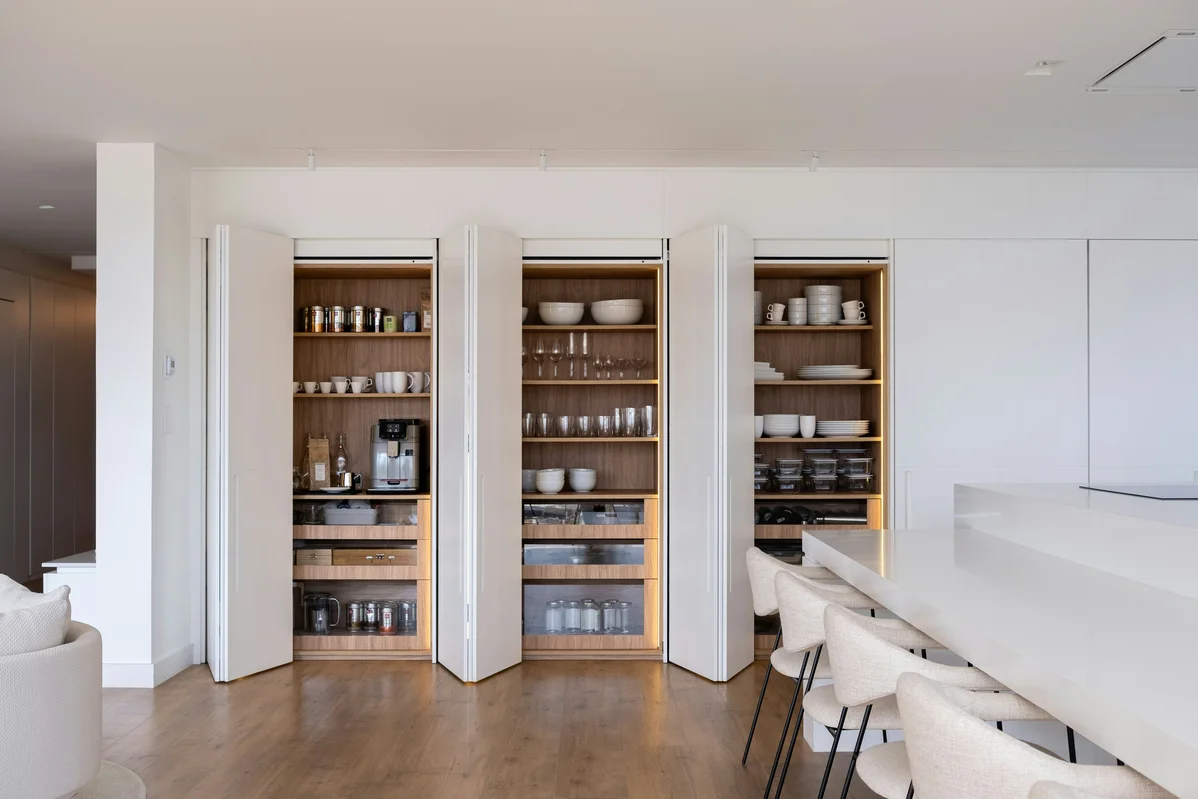
How to Incorporate a Bantry in Your Kitchen Space
Incorporating a bantry in your kitchen space requires careful planning. Assess your current layout. Identify underutilized areas where a bantry could fit. Even small kitchens can benefit from a bantry by maximizing every inch of available space. Next, focus on storage solutions. Think about adding cabinets and shelves that blend with your kitchen's style. Use vertical space to make the area look more spacious. Open shelving can display decorative items, while closed cabinets can hide clutter. This balance creates a functional yet stylish bantry. Finally, consider how the bantry will interact with your main kitchen. Ensure easy access to frequently used items. Designate specific areas for appliances and pantry items. This thoughtful organization will streamline your cooking process. By planning effectively, you can create a bantry that enhances both functionality and aesthetic appeal.Styling Tips for a Functional and Aesthetic Bantry
Styling your bantry is essential for creating a functional and inviting space. Begin with the materials. Use a mix of textures, such as wood and metal, to add depth. A rich color palette can bring warmth and personality to the area. Amy Lee McArdle, a designer, suggests that the bantry should feel considered yet relaxed. Lighting also plays a significant role in styling. Incorporate layered lighting options, such as under-cabinet lights and pendant fixtures. This combination creates an inviting atmosphere while ensuring the space is practical for daily use. Good lighting enhances the functionality of your bantry, making it a pleasant area for guests and homeowners alike. Finally, personalize the space with decorative elements. Use the bantry to display glassware, unique collectibles, or cookbooks. This enhances its aesthetic and encourages its use as an entertaining zone. A well-styled bantry can become a focal point in your kitchen, adding both character and charm.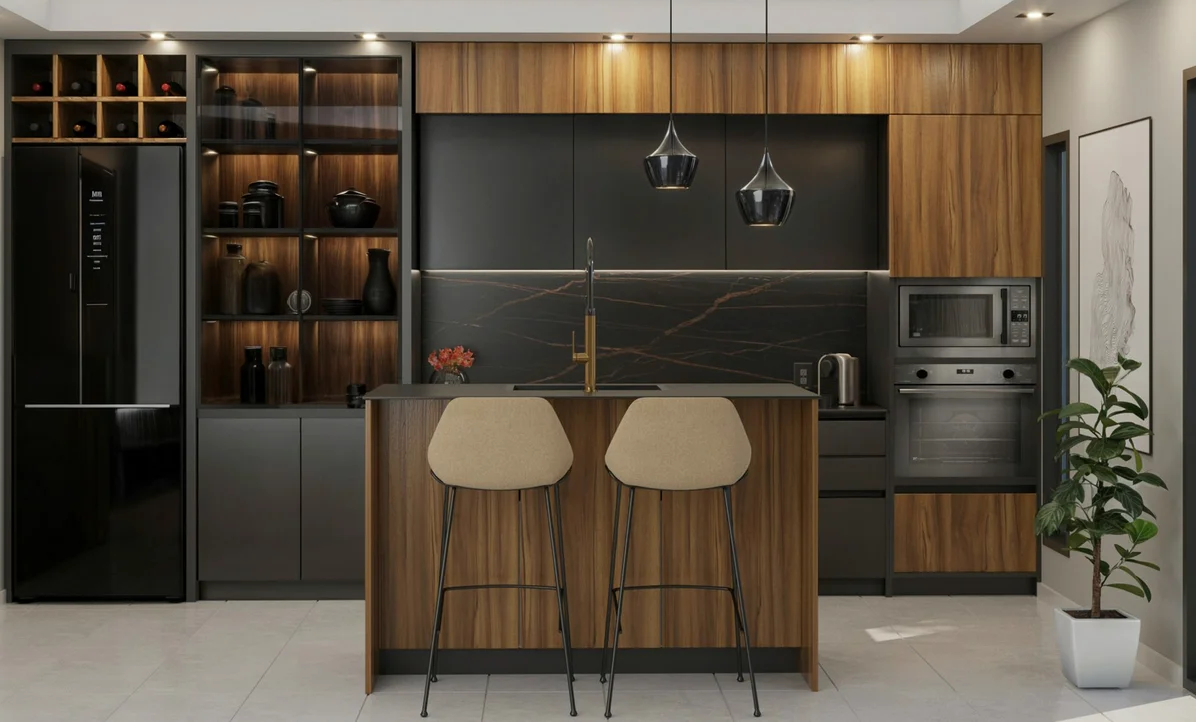
Common Mistakes to Avoid When Designing a Bantry
Designing a bantry can be rewarding, but several common mistakes can hinder its effectiveness. One frequent error is underestimating the importance of layout. A poorly planned layout can lead to cramped spaces and inefficient workflows. Ensure that your bantry allows for easy movement and access to essential items. Another mistake is neglecting storage needs. Many homeowners fill their bantries with decorative items but forget about functionality. Prioritize storage solutions that accommodate your daily needs. Include cabinets for larger items and drawers for smaller ones. This approach will keep the space organized and user-friendly. Lastly, avoid overlooking the visual appeal. A bantry should not only be functional but also inviting. Skimp on aesthetics, and you risk creating a space that feels utilitarian. Invest in design elements that enhance its charm. The goal is to create a bantry that feels like a natural extension of your kitchen, supporting both function and style.Frequently Asked Questions
What is a bantry in kitchen design?
A bantry is a multifunctional space in the kitchen that combines storage and entertaining features, helping to keep the main area organized.
How can I incorporate a bantry into my kitchen?
You can incorporate a bantry by using existing space, adding cabinetry for storage, and creating designated areas for beverages and snacks.
Why are bantries becoming popular in 2026?
Bantries are popular because they offer a practical solution to kitchen clutter while enhancing the aesthetic appeal and functionality of the space.
What features should a bantry include?
A well-designed bantry should include sleek cabinetry, dedicated beverage storage, and an organized layout to streamline kitchen use.
Can a bantry fit in a small kitchen?
Yes, a bantry can be designed to fit in small kitchens by maximizing space with smart storage solutions and strategic organization. For background context, see Kitchen on Wikipedia.