The Rise of Longevity in Home Design
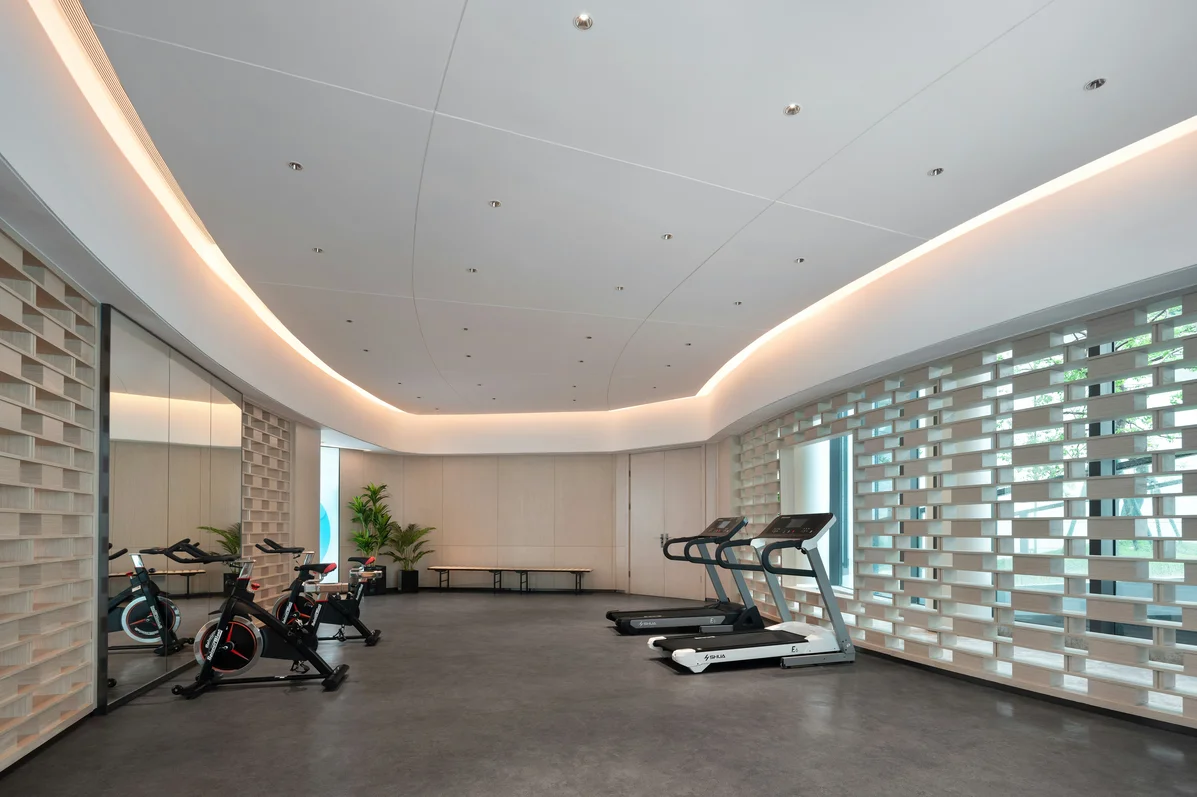
The focus on longevity in home design is more than a passing trend. It shows a basic change in how people view health and wellness. About 70% of designers highlight longevity as a major trend for 2026 (House Beautiful). This shift indicates that clients are seeking homes that support their health goals, not just their looks. The desire for longevity is also shaped by changes in demographics. As people live longer, there is a stronger focus on making those years as fulfilling as possible. Homeowners are asking for spaces that promote physical activity, relaxation, and mental well-being. Designers respond by adding elements that reflect these needs. For example, many homes now feature dedicated wellness spaces that can include everything from yoga studios to saunas. The pandemic sped up this trend. Many realized the need for a healthy, calming space at home. People want places that support their emotional and physical health. This has led to a big increase in the installation of home gyms, which have seen a 45% growth in 2026 (Iron House Design). Homeowners are focusing on their long-term wellness by dedicating spaces for fitness and relaxation. The longevity wellness trend 2026 is creating a new standard for home design. It challenges designers to think beyond traditional looks. They must consider how spaces can add to a healthier lifestyle. Clients are not just interested in how their homes look but also how they feel.Key Features of Wellness-Focused Spaces
Wellness-focused spaces include various features that promote health and well-being. Homeowners are increasingly interested in natural lighting, open layouts, and fresh air. These elements add to a sense of calm and help reduce stress. Studies show that places with ample natural light can improve mood and energy levels. Using natural materials in home design is becoming popular. Materials like wood, stone, and bamboo are not only good-looking but also have health benefits. They create a connection to nature that can enhance mental well-being. The choice of materials can affect indoor air quality, making it essential for homeowners to consider their options. Another important part of wellness-focused design is creating spaces for relaxation and mindfulness. Areas for meditation and quiet reflection are gaining traction. Adding comfortable seating and soothing colors can help create these peaceful spaces. This aligns with the growing interest in mental health and self-care practices. Designers are also realizing the impact of technology on wellness. Smart home systems can help regulate lighting, temperature, and even air quality. These advancements allow homeowners to create places that promote comfort and well-being. As the longevity wellness trend 2026 continues, more homes will integrate these smart solutions.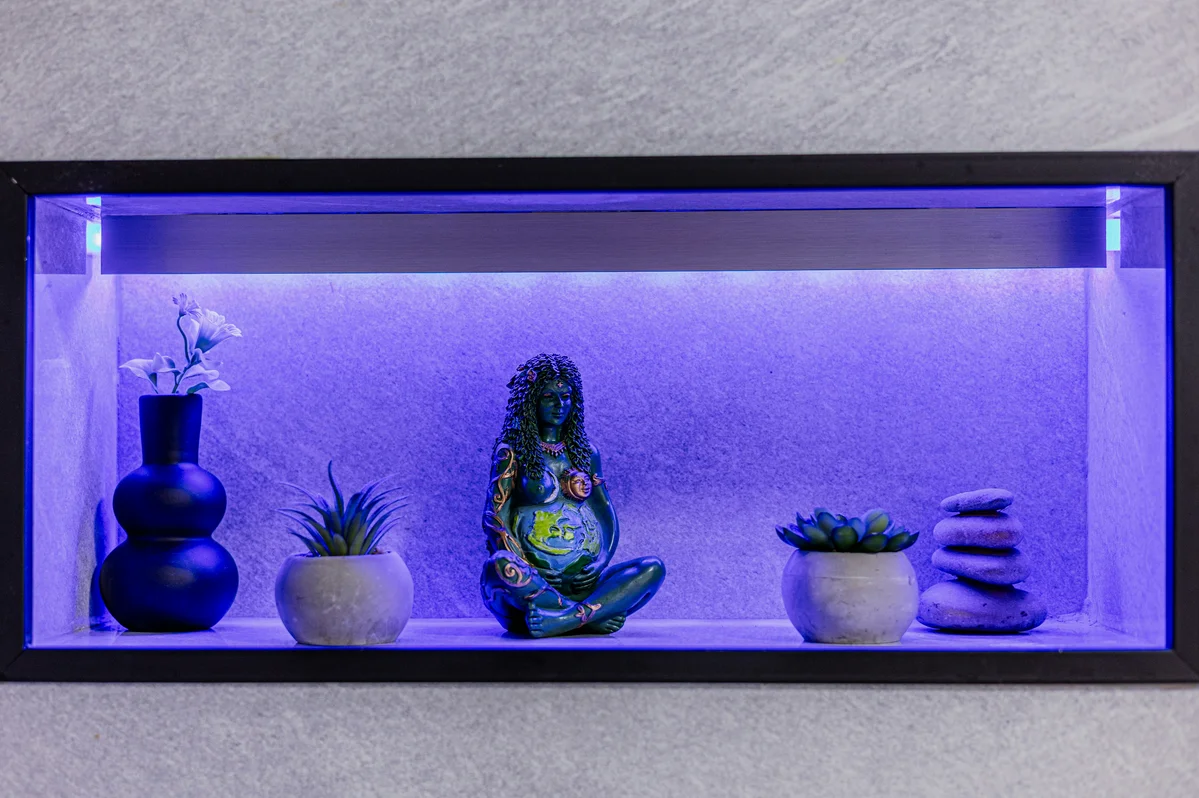
Incorporating Meditation and Fitness Areas
Creating dedicated spaces for meditation and fitness is key in promoting wellness at home. These areas encourage physical activity and mental clarity. Designers are increasingly asked to include features that support both. The rise of home gyms and meditation rooms reflects this growing demand. For instance, many homeowners are opting for multipurpose rooms that can serve as both workout areas and relaxation spaces. This flexibility allows for better use of space, especially in smaller homes. Designers suggest adding elements like mirrors, mats, and calming colors to enhance these areas' power. Meditation spaces are also becoming common. A well-designed meditation room can greatly impact mental health. Studies show that mindfulness practices can reduce stress and anxiety levels. Adding comfortable seating, soft lighting, and decorations like plants can create an inviting atmosphere. The trend towards outdoor wellness spaces is gaining momentum. Balconies and gardens can be transformed into areas for yoga or meditation. Fresh air and nature have proven benefits for mental health. By integrating outdoor elements, homeowners can enhance their wellness experience. The focus on fitness and meditation spaces highlights a shift in priorities. Homeowners are increasingly focused on integrating wellness into their daily routines. This trend is reshaping how homes are designed, making them more conducive to healthy living.Future Trends in Healthy Home Design
Looking ahead, several trends are likely to shape the future of healthy home design. One big trend is the integration of biophilic design. This approach emphasizes a connection to nature, which can improve mental and physical health. Homes designed with biophilic principles often feature large windows, indoor plants, and natural materials. Lasting practices will play a key role in home design. Homeowners are more aware of their environmental impact. This awareness is leading to increased interest in energy-efficient homes. Features like solar panels and high-efficiency appliances are becoming standard in new builds. Smart home technology will also continue to evolve. These systems will give homeowners more control over their environments. Features that monitor air quality, adjust lighting, and improve energy use will be popular. As technology advances, it will enable homeowners to create spaces that are not only beautiful but also health-enhancing. The focus on community and social wellness will influence design. Homes will increasingly include spaces for gathering and connection. Open floor plans and communal areas will encourage interaction and support mental well-being. As the longevity wellness trend 2026 progresses, these elements will become essential in home design.
How to Create Your Own Longevity Suite
Creating a longevity suite in your home involves several steps. Assess your space and determine what wellness features are essential for you. Consider areas for fitness, meditation, and relaxation. This can help you create a balanced environment that promotes health. One way to begin is by dedicating a room or area for physical activity. Install equipment that fits your lifestyle, such as weights, yoga mats, or cardio machines. Make sure the space is well-lit and ventilated. This will encourage regular use and enhance your workout feel. Next, create a meditation area. This could be a corner of a room or a separate space designed for relaxation. Add comfortable seating, calming colors, and personal touches like candles or artwork. This space should promote peace and tranquility. Incorporate elements that connect you with nature. Bringing plants into your home can improve air quality and enhance your mood. Consider placing them in areas where you spend the most time. This small change can greatly impact your overall well-being. Finally, ensure that your home is equipped with smart technology. These systems can help monitor your health and well-being. Smart thermostats, air purifiers, and lighting can all contribute to a healthier living environment. By integrating these features, you’ll create a home that supports your longevity goals.Frequently Asked Questions
How can I incorporate wellness into my home design?
Incorporate wellness features like meditation rooms, home gyms, and natural lighting to enhance your living space.
What are the key features of homes designed for longevity?
Key features include spaces for meditation, fitness areas, and natural materials that promote health.
Why is the longevity trend important in home design?
This trend reflects a growing desire for healthier living environments that support physical and emotional well-being.
Can small spaces accommodate wellness-focused design?
Yes, even small spaces can incorporate wellness elements like multifunctional furniture and dedicated relaxation areas.
When did the longevity wellness trend start gaining traction in home design?
The trend began to gain traction in 2025, reflecting broader shifts in wellness and health priorities. For background context, see That Girl (trend) on Wikipedia.