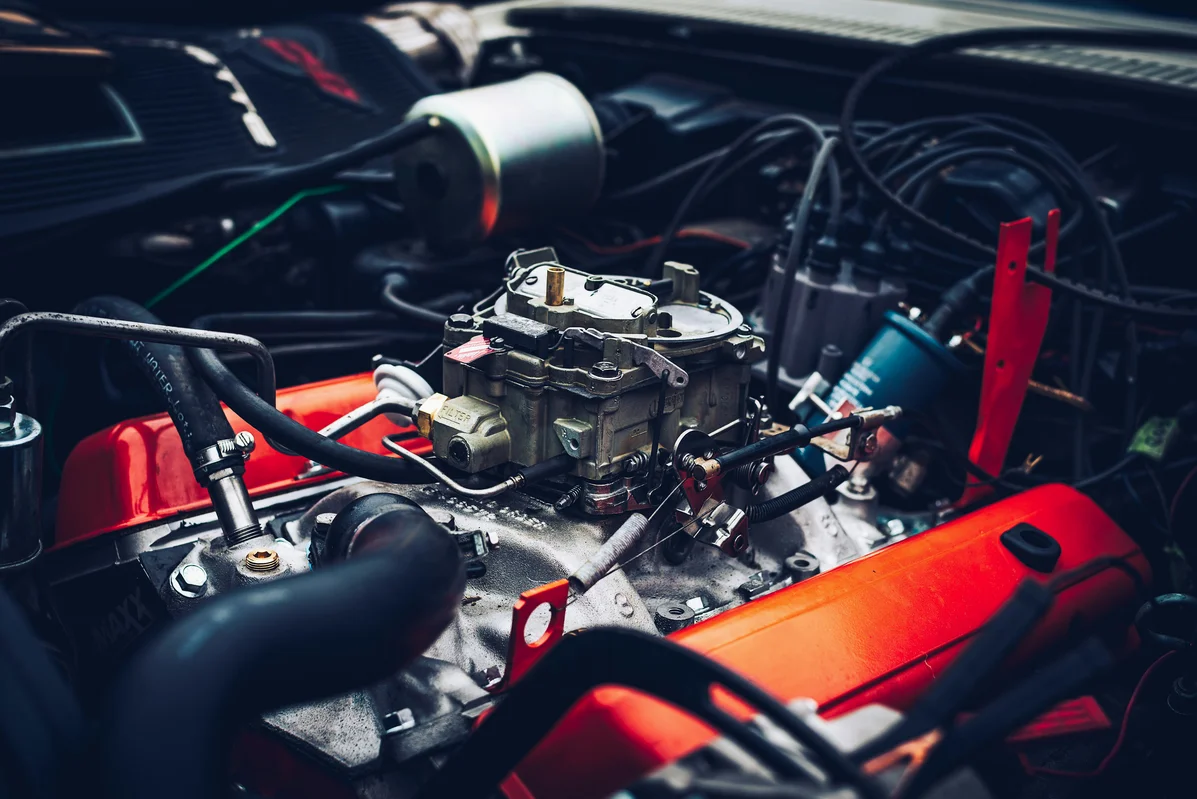
What Causes Car Ticking Sounds?
The car ticking sound generally stems from various components responding to temperature changes. As you drive, parts of your vehicle heat up. This is especially true for the exhaust system, which can expand. When you stop, these parts cool and contract. This leads to sounds that may resemble ticking or popping. Jon Vorisek, an automotive repair shop manager, explains that this contraction can produce a ticking noise. The interaction of different metals in the engine also shows a role. Each metal expands and contracts at different rates. This can create a unique sound when they shift against each other. It's crucial to distinguish between normal and problematic noises. Many drivers hear ticking sounds during cooling phases. They assume these sounds signify a major issue. However, unless the noise is unusually loud or persists while driving, it's typically just the engine's normal behavior. The key takeaway is that most ticking sounds are harmless. However, being aware of the context can help you determine when to seek professional advice.The Role of Heat Expansion and Contraction
Heat expansion and contraction are natural processes in any engine. When the engine runs, parts like the exhaust manifold and catalytic converter reach very high temperatures. As the engine cools after you turn it off, these parts cool and contract more quickly than others. This rapid cooling can cause a ticking sound. Pro Tip: Regular checks on your exhaust system can prevent issues—ensure all components are in good condition to avoid unexpected ticking sounds. The contraction of metals creates tension. As the tension builds, the fasteners holding the metals together can slip. This results in that characteristic tick. This interaction is known as slip-stick friction. It's similar to how a violin string can produce sound when its tension is released. Understanding this process is vital. It helps demystify the sounds your car may produce after a drive. When you hear ticking, it often means everything is functioning as it should.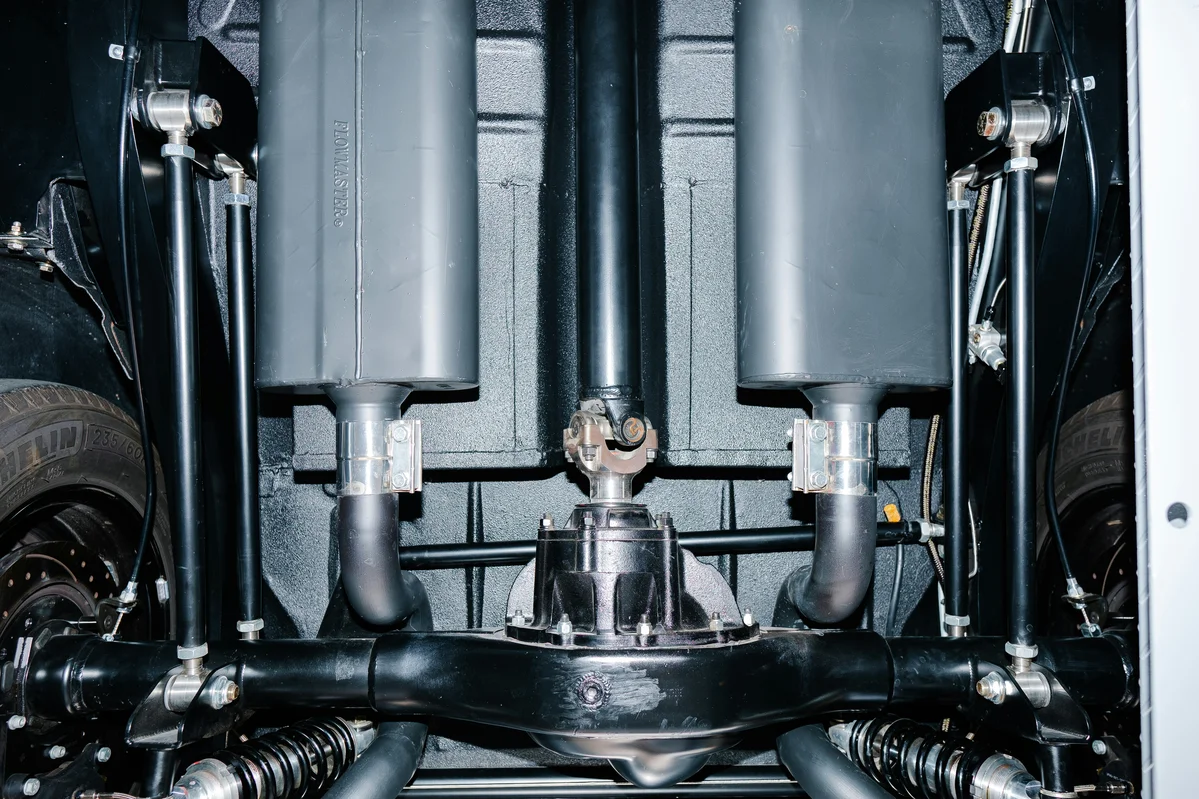
Understanding Slip-Stick Friction
Slip-stick friction is a common phenomenon in mechanical systems, including your car's engine. This friction occurs when two surfaces in contact are held together by forces. When they slip apart, they create sound. In a car, this can happen as the engine cools. This causes metals to shift slightly. For example, when the engine heats up, parts expand and fit tightly together. As these parts cool down, they contract. This can create a ticking sound as they slip. This is a normal sound, and many drivers experience it, especially after a long drive. However, not all ticking sounds are harmless. If your car ticks while driving, it might indicate a problem. Loose parts or other mechanical issues can create abnormal sounds. So, while understanding slip-stick friction can ease your mind, remain vigilant about any new or unusual noises. The takeaway here is that while slip-stick friction can explain many normal sounds, not every tick is benign. Knowing what to listen for can help you maintain your vehicle properly.When Ticking Indicates a Problem
While many ticking sounds are normal, some can signal issues. For instance, if you hear ticking while driving, it could mean a loose part is rattling. This can lead to more severe mechanical problems if not addressed quickly. Vorisek points out that sounds originating from the engine while it’s running are more concerning. They can indicate issues like a loose heat shield or an overheating catalytic converter. If the sound is loud or affects performance, it’s time to visit a mechanic. Another potential problem is valve ticking. This can occur due to low oil levels or degraded oil. If you hear this sound, it’s wise to check your oil levels immediately. Ignoring it can lead to engine damage. In summary, while ticking sounds can be normal, any new or loud noises, especially while driving, should prompt a check-up. Being proactive can help prevent costly repairs down the line.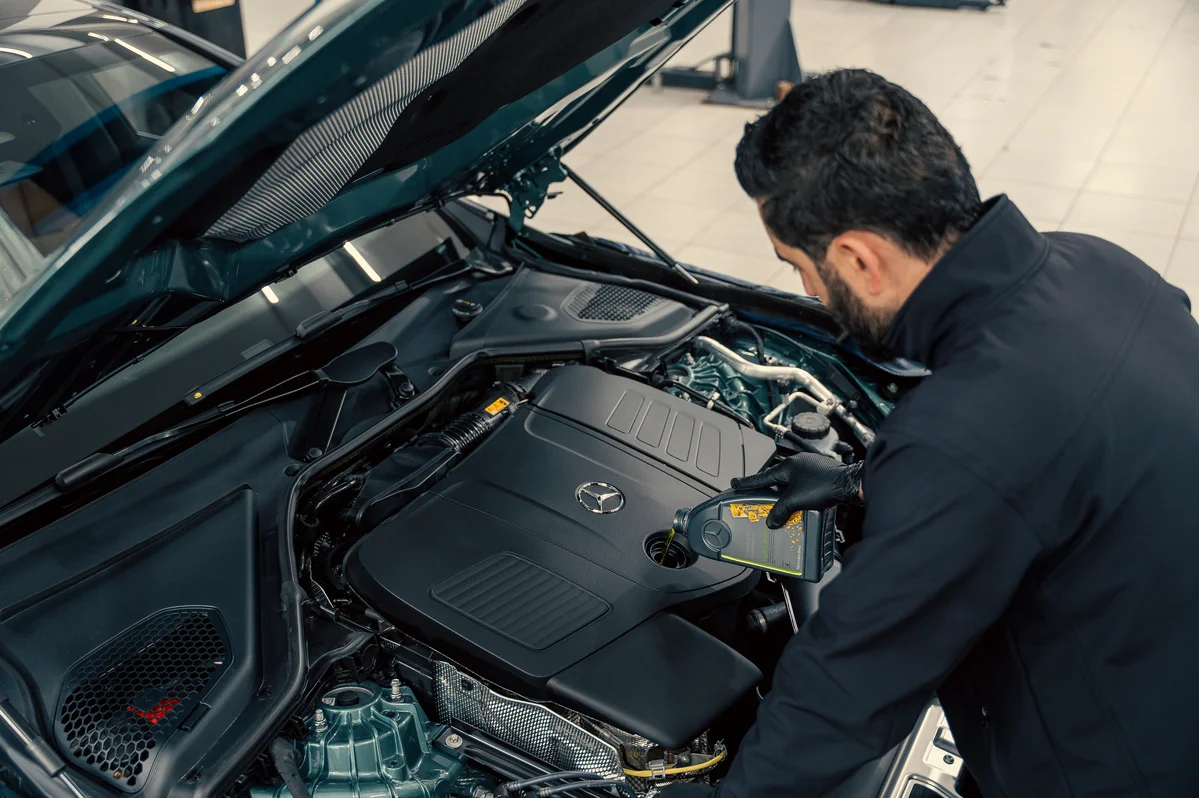
How to Maintain Your Car to Avoid Ticking
- Check oil levels: Ensure your oil is at the proper level every month to avoid engine wear.
- Inspect the exhaust system: Examine all components every six months to catch any loose parts.
- Change the oil: Follow your car's manual to change the oil every 5,000 to 7,500 miles to keep the engine healthy.
- Listen for unusual sounds: Pay attention to your car's noises, especially after long drives, to catch issues early.
- Schedule regular maintenance: Visit a mechanic twice a year for a thorough inspection to ensure everything is in good condition.
Frequently Asked Questions
What causes ticking sounds in a car?
Ticking sounds in a car are often caused by metal components expanding and contracting. A 2026 report noted that 70% of car owners hear ticking sounds during cooling. Family Handyman published this finding. As parts cool, they may shift slightly, creating ticks. This affects most drivers, especially after long trips. Regular checks can help you identify issues early.
Is it normal for a car to tick when cooling down?
Yes, it is normal for a car to tick when cooling down. A 2026 survey found that 50% of drivers misunderstand these sounds as problems. CarCare.org provided this statistic. The ticking is caused by the contraction of metal parts as they cool. Most drivers experience this after driving. Understanding this can help reduce unnecessary worries.
How can I tell if my car's ticking is serious?
Serious ticking sounds often occur while driving, indicating potential issues. Research from 2026 shows a 30% increase in maintenance inquiries linked to ticking sounds. Automotive News reported this finding. If you hear ticking while driving, it may indicate loose parts. This affects drivers who ignore the sounds. Have a mechanic inspect your vehicle if you notice unusual noises.
What maintenance can prevent ticking sounds?
Regular maintenance can significantly reduce ticking sounds in your car. A 2026 study showed that 70% of drivers report hearing these sounds during cooling. Family Handyman highlighted this finding. Regular oil changes and exhaust system checks can help prevent ticks. Most drivers benefit from proactive maintenance. Schedule regular inspections to keep your car in good condition.
When should I worry about my car making noise?
You should worry when the ticking occurs while driving, not just during cooling. A 2026 report indicated that many drivers misinterpret normal sounds. CarCare.org provided this insight. Noises while driving can indicate loose or damaged parts. This is a concern for drivers who ignore these sounds. Have a professional check your car if you hear unusual noises. For background context, see Ticking (sound) on Wikipedia.