1. Why Hummingbirds Prefer Certain Flowers
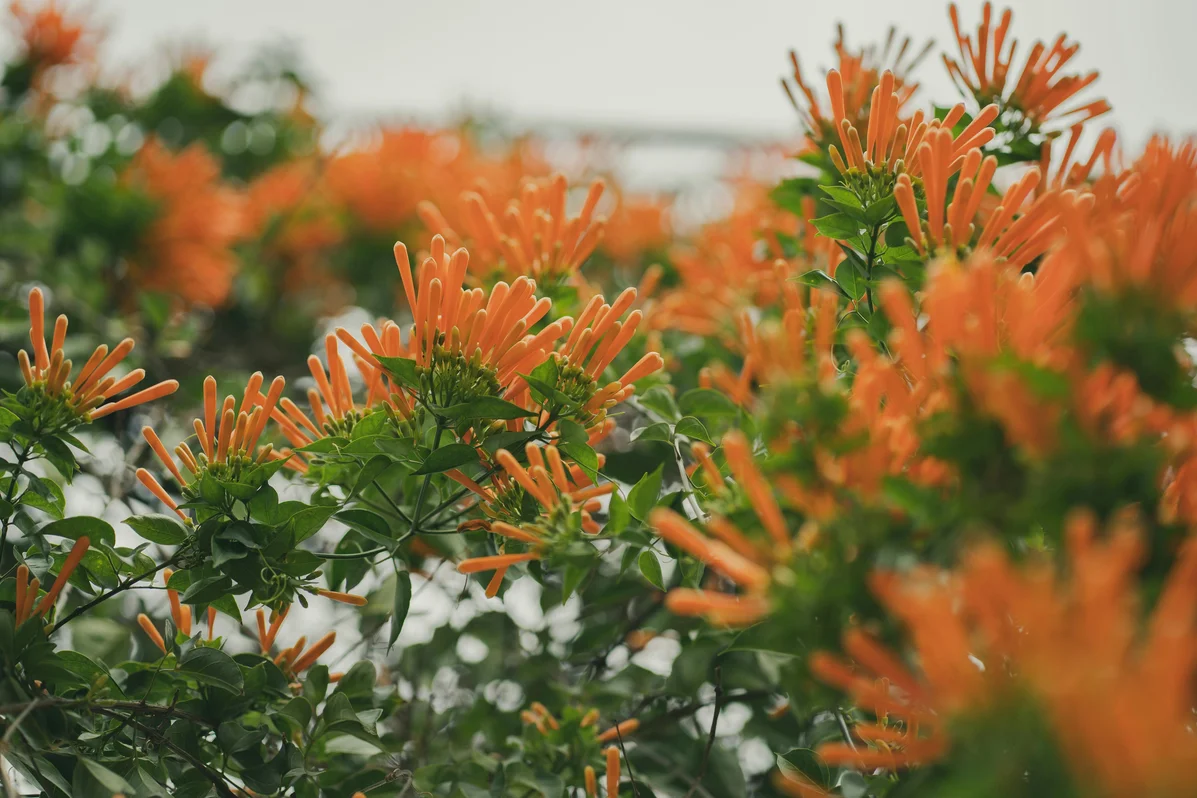
Hummingbirds have a strong preference for specific flower types. They mostly like those that are red and tubular. These flowers are designed to accommodate their long tongues. This allows for easy access to nectar. In 2026, research from the National Audubon Society highlighted that hummingbirds are especially attracted to red tubular flowers. So, trumpet honeysuckle is an ideal choice. The shape and color of these flowers show their traits in attracting hummingbirds. The bright red hue contrasts against green foliage. This catches the attention of these birds. The tubular design allows them to extract nectar efficiently. This is essential for their high-energy lifestyle. Planting these types of flowers enhances the beauty of your garden. It also promotes a healthy ecosystem. When you plant flowers that hummingbirds prefer, you create a habitat that supports their feeding habits. This encourages more visits to your hummingbird feeder. You will maximize your enjoyment of these fascinating creatures.2. Benefits of Planting Trumpet Honeysuckle
Trumpet honeysuckle offers many benefits for your garden. First, it serves as a good nectar source for hummingbirds. This makes it an essential addition near your feeder. Its red tubular flowers bloom in spring. They provide a reliable food source for these birds during their peak feeding season. Pro Tip: Trumpet honeysuckle can grow 10 to 20 feet tall. It is a good nectar source for hummingbirds, according to the National Audubon Society (2026). Another advantage of trumpet honeysuckle is its ability to attract other pollinators. Bees and butterflies are drawn to its flowers. This adds more life to your garden. This diversity enhances your outdoor space and supports the overall health of the ecosystem. Trumpet honeysuckle is a hardy plant. It can thrive in various soil types. It requires minimal maintenance. This makes it an excellent choice for both novice and experienced gardeners. By incorporating this plant into your garden, you can create a thriving environment. This environment benefits both hummingbirds and other wildlife.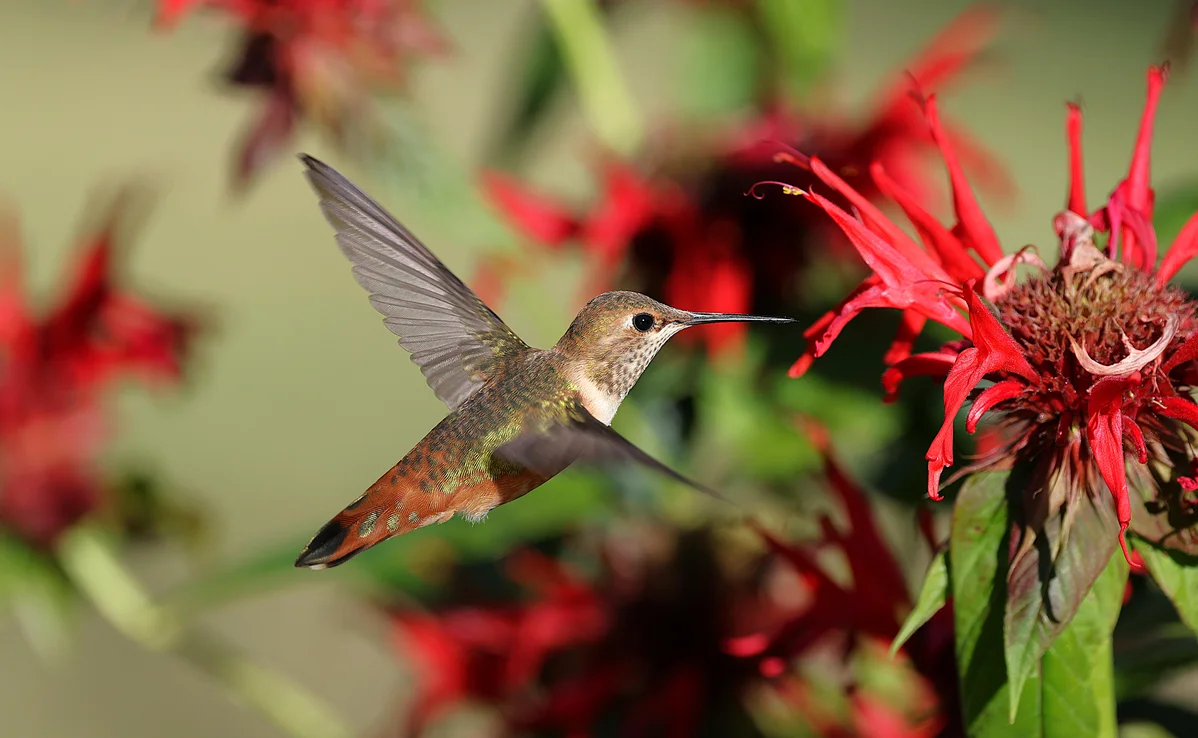
3. How to Grow Trumpet Honeysuckle Successfully
- Choose a location: Select a spot that receives full sun for at least 6 hours daily.
- Prepare the soil: Ensure the soil is well-draining. Use regular potting mix if needed.
- Plant the honeysuckle: Place the plant in the ground. Ensure it has room to grow and spread.
- Support the vine: Use a trellis or fence to help trumpet honeysuckle climb as it grows.
- Water regularly: Keep the soil moist during the first year. Adjust as necessary afterward.
- Monitor for pests: Check for issues like powdery mildew. Ensure good air circulation between plants.
4. Native vs. Invasive Honeysuckle Varieties
When considering honeysuckle for your garden, choose the right type. Native trumpet honeysuckle (Lonicera sempervirens) is an excellent choice for attracting hummingbirds. Its flowers provide nectar and support local wildlife. This creates a sustainable garden. In contrast, Japanese honeysuckle (Lonicera japonica) is an invasive species. It can harm your garden. This variety spreads quickly. It often overpowers native plants and disrupts local ecosystems. Avoid planting invasive species. They can choke out good plants and reduce biodiversity. By selecting native trumpet honeysuckle, you support hummingbirds. You also promote a healthier environment. Native plants are adapted to local conditions. They require less maintenance and water. This choice creates a thriving habitat for various wildlife. It also enhances the beauty of your garden.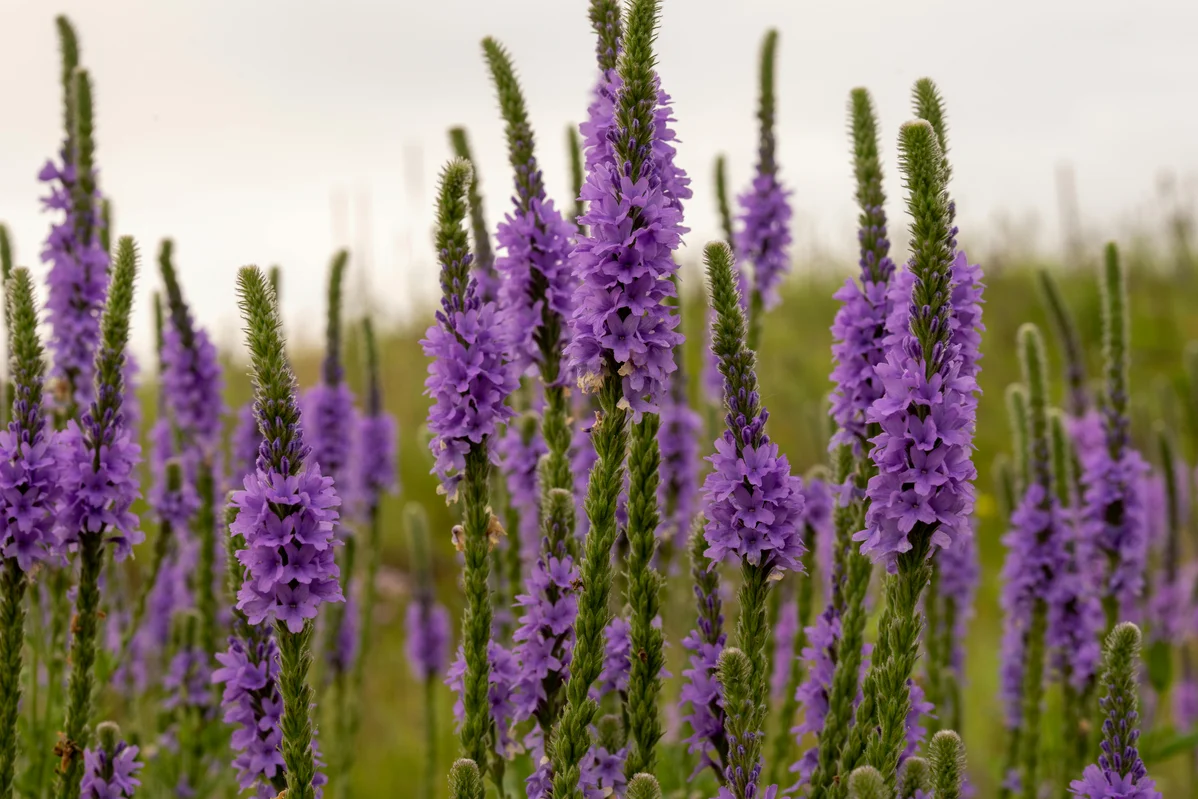
5. Attracting Other Pollinators to Your Garden
Besides hummingbirds, trumpet honeysuckle can attract a variety of other pollinators. Bees and butterflies are especially drawn to its flowers. This makes it a valuable addition to your garden. This diversity of pollinators supports the overall health of your local ecosystem. To enhance your garden's appeal, consider planting a mix of native flowering plants. Different species bloom at various times. This ensures a constant food source throughout the growing season. This plan will keep your garden lively. It will encourage more pollinators to visit. Creating a pollinator-friendly garden benefits both the wildlife and your plants. Pollinators help with fruit and seed production. This increases the yield of your garden. By creating a welcoming environment for these creatures, you can enjoy a flourishing garden filled with life.Frequently Asked Questions
What flowers attract hummingbirds the most?
Red tubular flowers attract hummingbirds more than any other type. In fact, 2026 studies show that these colors encourage hummingbirds to visit more frequently. According to the National Audubon Society, these flowers meet their feeding needs effectively. Their long tongues easily extract nectar, making tubular shapes ideal. This finding applies particularly to gardeners looking to attract more hummingbirds. Consider planting trumpet honeysuckle to benefit from this knowledge.
How do you grow trumpet honeysuckle?
Growing trumpet honeysuckle is straightforward with the right care. This plant thrives best in USDA zones 4 to 9, making it adaptable for many gardeners. The National Audubon Society recommends ensuring full sun exposure for at least six hours daily. This light helps the plant develop healthy blooms, attracting hummingbirds. Gardeners can enjoy a display of flowers and increased visits. Select a sunny spot in your garden for the best results.
Why are native plants important for hummingbirds?
Native plants are vital for hummingbirds because they provide essential nectar sources. Approximately 70% of hummingbird species rely on these plants for food. According to the National Audubon Society, native plants also support local ecosystems. They attract various pollinators, enhancing biodiversity in gardens. This is especially relevant for anyone looking to create a hummingbird-friendly space. Planting native flowers like trumpet honeysuckle is a great way to help.
Can trumpet honeysuckle harm other plants in my garden?
Trumpet honeysuckle is generally safe for other plants in your garden. Unlike invasive varieties, it supports local ecosystems without overpowering native species. In fact, it can enhance biodiversity by attracting various pollinators. The National Audubon Society notes that it coexists well with other plants. This is important for gardeners who want a thriving garden. Be sure to monitor growth and provide necessary support as it matures.
When is the best time to plant trumpet honeysuckle?
The best time to plant trumpet honeysuckle is in early spring. This timing allows the plant to establish roots before the growing season begins. According to the National Audubon Society, early planting can enhance blooming during peak hummingbird activity. It is especially beneficial for gardeners in regions with colder winters. This approach maximizes flower production and attracts more hummingbirds. Prepare your garden in advance to ensure a successful planting. For background context, see Bird feeder on Wikipedia.