
1. Create Fiber-Packed Bean Salads for Meal Prep
Bean salads are a fantastic way to increase your fiber intake. These salads are easy to prepare and store well in the fridge. A mix of beans, fresh vegetables, and dressing creates a nutritious meal that packs a fiber punch. For example, one cup of black beans contains 15 grams of fiber, while cannellini beans provide 13 grams. Mixing different beans adds variety and maximizes fiber content. Combine them with chopped veggies like tomatoes, cucumbers, and bell peppers for added nutrients. Pack your bean salad for lunch or as a quick snack. You can also add protein, like grilled chicken or fish, for a complete meal. By preparing these salads ahead of time, you'll always have a healthy, fiber-rich option ready to go.2. Incorporate Whole Grains into Your Meals
- Choose whole grain bread: Switch to whole grain bread instead of white bread for breakfast. This change adds about 2-3 grams of fiber per slice.
- Use brown rice: Replace white rice with brown rice in your meals. This swap increases fiber intake by about 3.5 grams per cup.
- Try quinoa: Incorporate quinoa into salads or as a side dish. One cup provides 5 grams of fiber.
- Add oats: Start your day with oatmeal instead of sugary cereals. A cup of cooked oats contains 4 grams of fiber.

3. Snack on Fresh Fruits and Vegetables
Fruits and vegetables are excellent sources of dietary fiber. Snacking on them not only helps you meet your fiber goals but also provides essential vitamins and minerals. For example, one medium apple contains about 4 grams of fiber, while a medium banana has around 3 grams. Pro Tip: Eating just 1 additional serving of fruits or vegetables daily can boost your fiber intake by at least 5 grams, enhancing gut health, according to the CDC (2026). Incorporate fiber-rich snacks like carrot sticks, cucumber slices, or berries into your day. These snacks are low in calories and high in nutrients. Keep fresh fruits and veggies on hand for quick and easy options. By choosing fruits and vegetables as your snacks, you'll not only increase your fiber intake but also promote overall health with minimal effort.4. Add Seeds and Nuts to Your Diet
Seeds and nuts are another great way to enhance your fiber intake. They are nutrient-dense and can be easily added to various dishes. For instance, one ounce of chia seeds provides about 10 grams of fiber. Similarly, almonds contain about 3.5 grams of fiber per ounce. Sprinkle seeds on salads, yogurt, or oatmeal for a crunchy texture and a fiber boost. Nuts can also be eaten as a healthy snack. Keep a variety of seeds and nuts on hand to mix and match in your meals. Be mindful of portion sizes, as nuts are calorie-dense. A small handful can provide a significant fiber boost without adding too many calories. By incorporating these foods into your diet, you'll enjoy a tasty way to increase your fiber intake.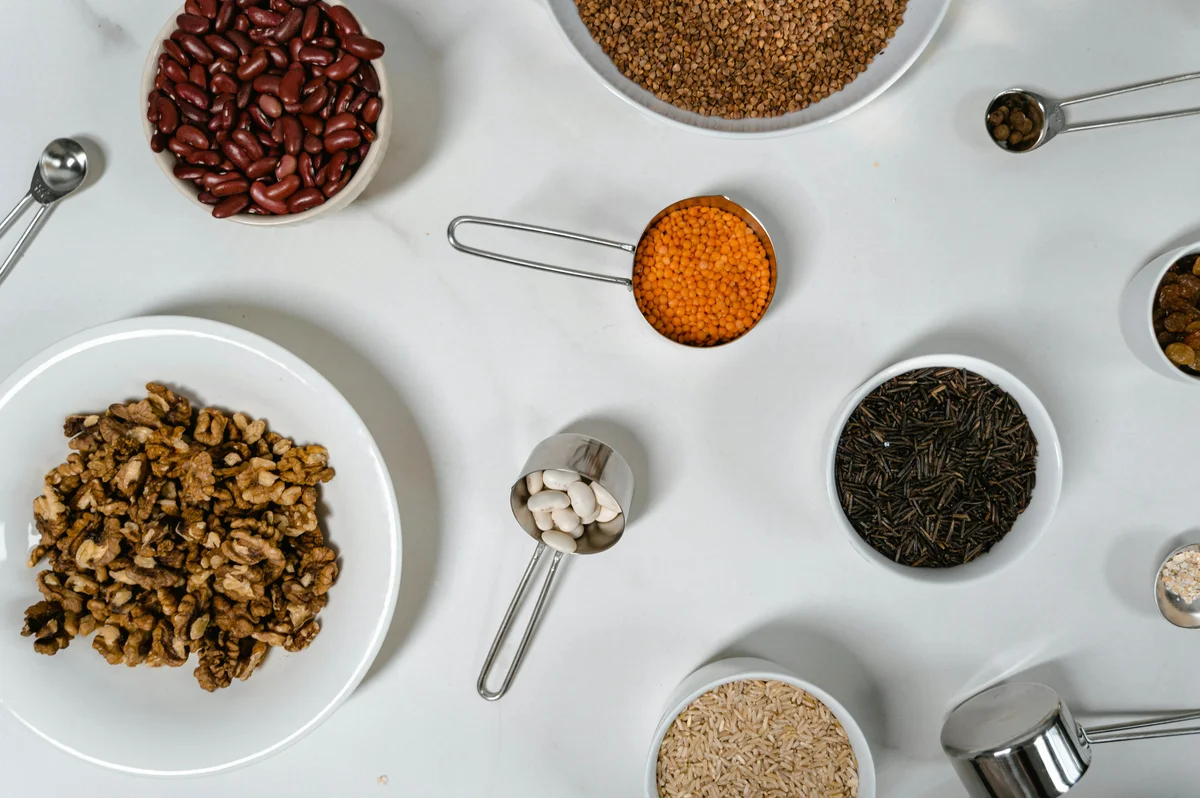
5. Try Fiber Supplements If Needed
Fiber supplements can help fill the gap if you're struggling to meet your fiber goals. These products come in various forms, such as powders or capsules, and can easily be added to your diet. For example, a scoop of a fiber supplement might provide around 6 grams of fiber. When choosing a supplement, look for one that contains prebiotic fiber. Prebiotics feed the good bacteria in your gut, supporting digestive health. They also help manage cholesterol levels, making them a good choice for overall health. However, it's essential to consult a healthcare provider before starting any supplement. They can guide you on the right amount and type of fiber for your individual needs. Fiber supplements can be a convenient option if you're unable to get enough from food sources.Frequently Asked Questions
What are the benefits of increasing fiber intake?
Increasing fiber intake improves digestive health and reduces heart disease risk. Studies show people who eat more fiber experience a 30% lower risk of heart disease (American Heart Association, 2026). Fiber helps regulate bowel movements and lowers cholesterol levels. This applies to individuals looking to improve their overall health. A concrete step is to add fiber-rich foods like beans or whole grains to meals.
How can I add fiber to my breakfast?
Adding fiber to breakfast enhances satiety and supports digestion. Incorporating 1/2 cup of oats can add 4 grams of fiber to your meal (USDA, 2026). Oats are beneficial because they contain soluble fiber that regulates blood sugar. This is especially helpful for those managing weight or blood sugar levels. One action is to start your day with oatmeal topped with fruits.
Is it safe to take fiber supplements?
Fiber supplements are generally safe when used as directed. About 25% of adults report using fiber supplements regularly (National Institutes of Health, 2026). They help meet daily fiber needs, especially for those with dietary restrictions. This is important for individuals who struggle to consume enough fiber through food alone. Consider starting with a small dose and increasing gradually to assess tolerance.
When should I increase my fiber intake?
Increased fiber intake is recommended when experiencing digestive issues or aiming for weight loss. Research indicates that a higher fiber diet can improve gut health and promote weight management (Journal of Nutrition, 2026). This applies to those seeking to enhance their overall well-being. A practical step is to gradually add fiber-rich foods to your diet to avoid digestive discomfort.
Can I get enough fiber from just fruits and vegetables?
Fruits and vegetables are excellent fiber sources but may not provide enough alone. Studies show that a balanced diet including grains and legumes is necessary to meet fiber goals (Harvard Health, 2026). This is vital for individuals focused on improving their digestive health. To ensure adequate intake, combine fruits and vegetables with whole grains and beans for maximum fiber. For background context, see Fiber on Wikipedia.