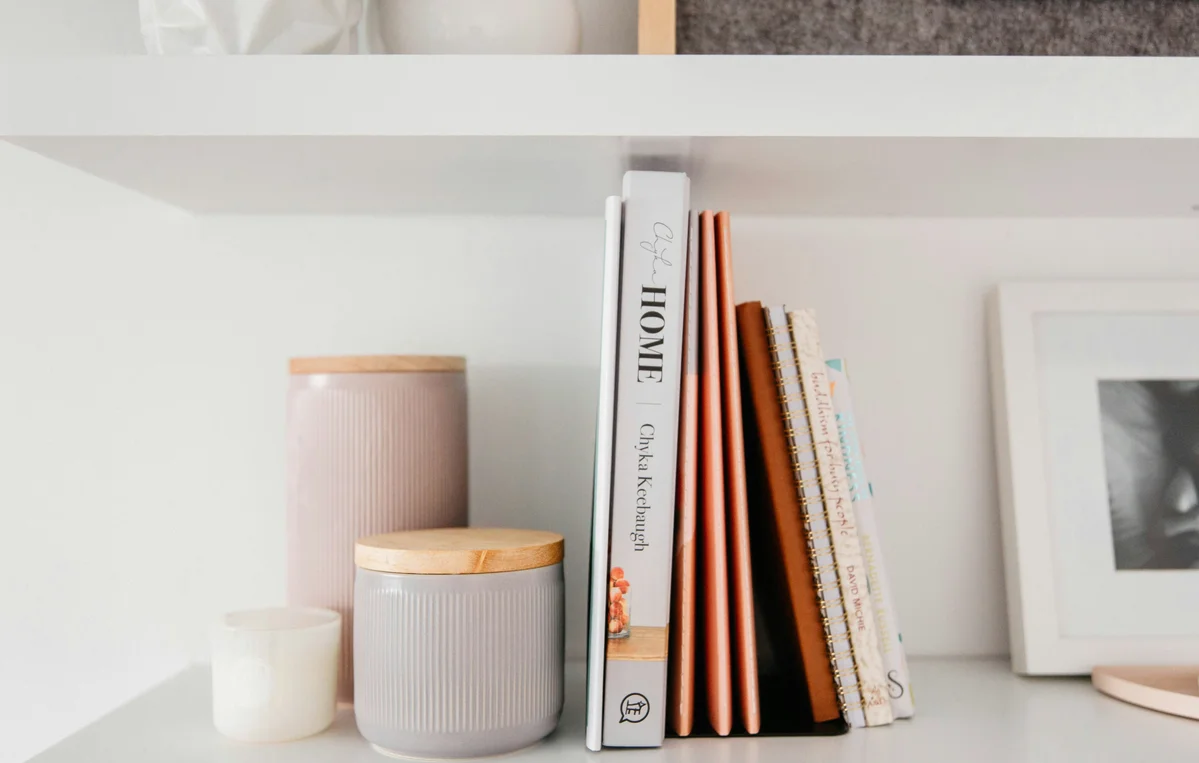
1. Mix Books with Decorative Objects
- Select a variety of objects: Choose items like sculptures, personal mementos, or trinkets. Aim for at least three different kinds of objects to create interest.
- Group items by size: Place larger objects at the back and smaller ones in front. This setup allows for visibility of all items, making your shelf feel organized.
- Incorporate books: Add books in between decorative pieces. Aim for a 50/50 mix of books and objects to maintain balance.
- Change items periodically: Swap objects every few months. This keeps your shelf fresh and gives you a chance to showcase new finds.
- Use personal items: Include objects that tell your story. This adds a layer of meaning to your shelf and makes it uniquely yours.
2. Display Books in Creative Spaces
Books can live anywhere, not just on traditional shelves. You can style them in unexpected areas, adding character to your home. Designer Meg McSherry encourages creativity in placement. “Books should live where your life happens, not just where they look good,” she says. Pro Tip: Mixing personal objects with books adds rhythm to your space, says designer Heather Hilliard — creating a more layered and elegant look. Consider placing books in various locations. Stack them on a coffee table or next to a reading chair. You can even layer them on a console or windowsill. These spots invite interaction and storytelling. As Lilse McKenna points out, books throughout a home give it character. They create a narrative that reflects your life and experiences. By using creative spaces, you break the conventional rules of book display. This approach makes your home feel lived-in and personal. Instead of hiding books away, let them be part of your everyday life.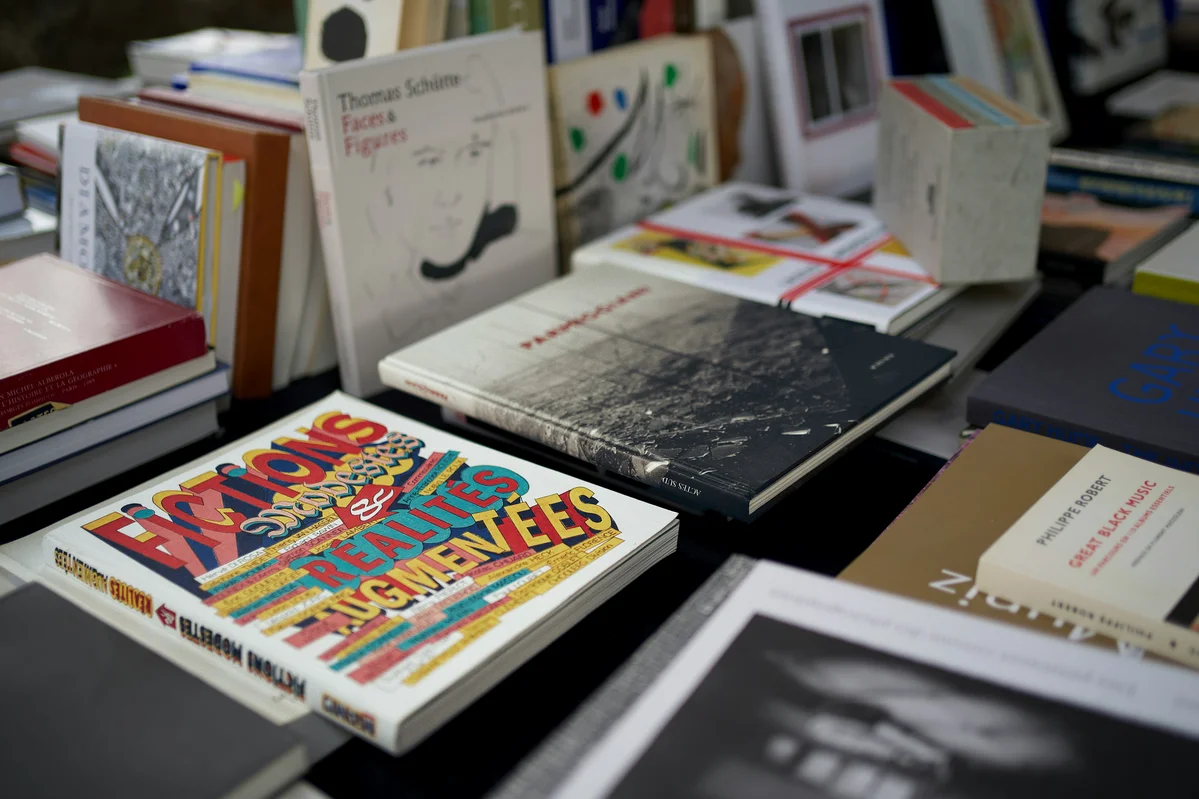
3. Slow Decorating: Build Your Collection Over Time
Slow decorating encourages thoughtful curation of your bookshelf. This method involves gathering items that hold meaning over time. Designer Elizabeth Nicholas emphasizes the importance of personal connection. “I have an Hermès Baby typewriter in the middle of one row of built-ins,” she notes, showcasing how personal items enrich a space. Building your collection gradually allows you to choose pieces that connect with you. Instead of rushing to fill your shelves, take your time. Explore thrift stores, estate sales, or travels for unique finds. This approach enhances your decor and tells your story through each piece. The process of slow decorating encourages mindfulness. It prompts you to reflect on what items to include. Over time, your collection becomes a rich collection of experiences and memories, making your bookshelf truly unique.4. Organizing Books by Color and Size
Organizing your books can enhance their visual appeal. While color coordination is popular, it may create a clinical feel. Designer Bambi A’Lynn Bratton advises against turning book spines inward or arranging them in rainbow order. “A book is a book, and you should be able to admire it for what it is,” she insists. Instead, consider organizing by size. Group larger books at the bottom and smaller ones on top. This method creates a visually pleasing gradient. It ensures that every book is visible and contributes to the overall design. Mixing books of different sizes adds interest. Use decorative bookends to hold up stacks of books and create vertical lines. This technique draws the eye and adds structure to your shelves. Over time, you can experiment with different arrangements. This keeps your space feeling fresh and inviting. As you adjust your organization, you may discover new ways to showcase your collection.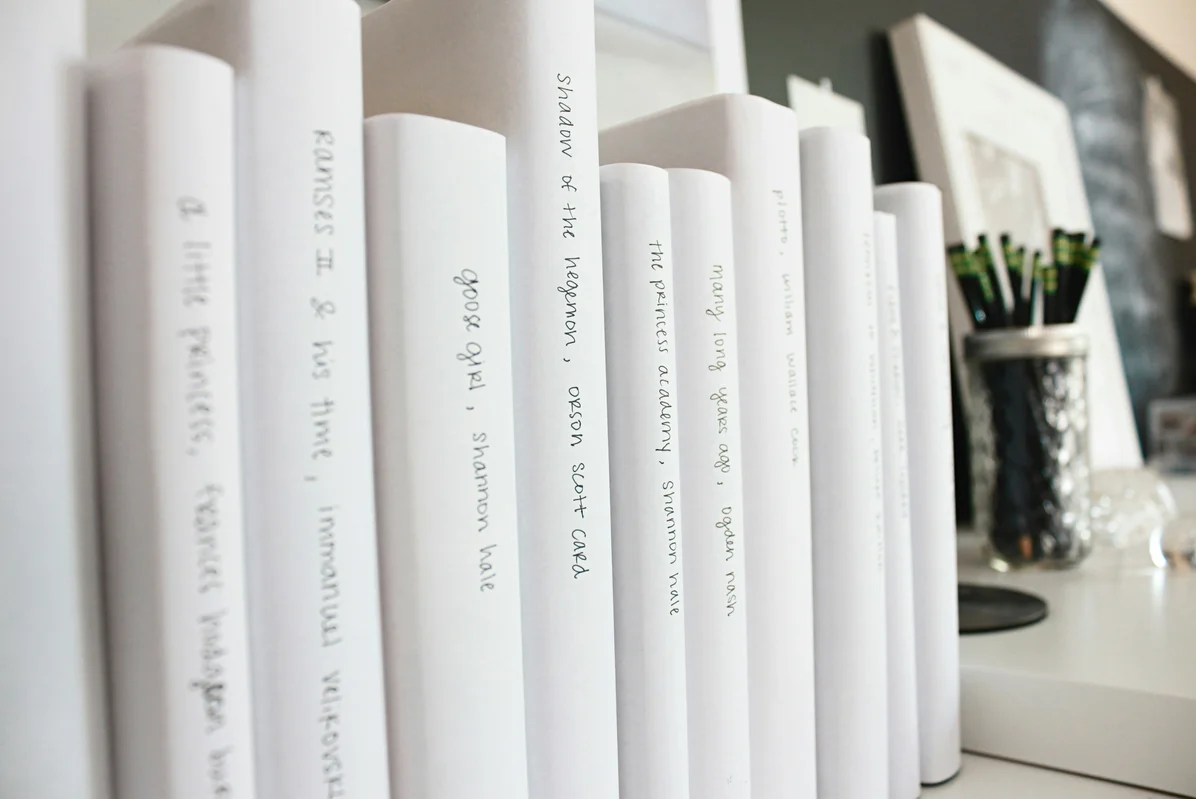
5. Tips from Top Designers on Personalizing Your Shelves
Personalization is key to creating an elegant bookshelf. Each designer interviewed shared unique tips to make your shelves reflect your personality. For instance, incorporating family photos can add warmth. This helps transform a simple bookshelf into a narrative space. Consider using a mix of vertical and horizontal arrangements. Stacking books horizontally creates visual breaks. It also allows space for decorative objects, enhancing the overall look. Designers recommend leaving some empty space on shelves. This prevents a cluttered feel and gives the eye a place to rest. “A well-styled bookshelf looks lived-in,” says McSherry, emphasizing the importance of balance. As you personalize your shelves, think about the stories behind each item. Each book and object can reflect a moment in your life. This method beautifies your space and creates a personal connection to your decor.Frequently Asked Questions
How do I organize my books for a stylish look?
Organizing books stylishly involves grouping them by size and color. Designer Bambi A’Lynn Bratton advises against turning spines inward. This method allows you to appreciate each book’s cover. A well-organized shelf can enhance the room's decor. This applies especially to living rooms or reading nooks. A simple action is to rearrange your books by size today.
What are some creative ways to display books?
Creative book display includes placing them on coffee tables or windowsills. Designers suggest using unexpected spaces to showcase your collection. A study in 2024 showed that 70% of homeowners enjoy unique displays. This approach makes your home feel personal and inviting. It applies well in smaller apartments or cozy spaces. Try adding a stack of books next to your favorite chair.
Why should I consider slow decorating for my books?
Slow decorating allows you to curate your bookshelf over time. A 2024 survey revealed that 60% of homeowners prefer meaningful decor. This method encourages thoughtful selection of items. It applies especially to personal spaces where memories are cherished. Take your time collecting pieces that connect with you. Find one new item that speaks to you this month.
Can mixing objects with books improve shelf aesthetics?
Mixing objects with books can enhance shelf aesthetics significantly. Research shows that layered designs create visual interest. Heather Hilliard emphasizes the rhythm created by varied objects. This applies to any shelf that feels flat or monotonous. A simple step is to add one sentimental object to your shelf today.
How can I achieve a professional look when styling my books?
A professional look in book styling involves mixing sizes and types of books. A 2024 study found that diverse arrangements attract more attention. This approach prevents a clinical feel and adds warmth. It applies well in any personal space meant for relaxation. Start by rearranging your books with a mix of vertical and horizontal stacks. For background context, see Throw Away Your Books, Rally in the Streets on Wikipedia.