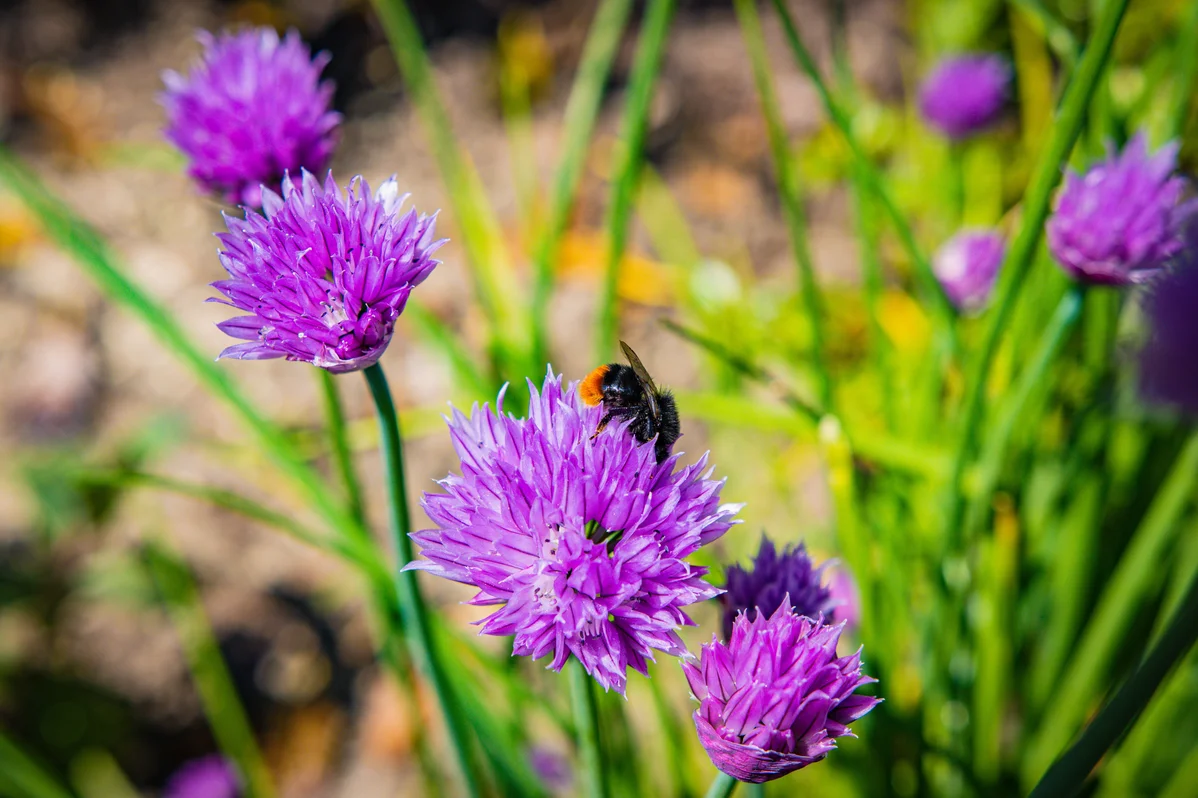
Chives Plant Basics
Chives (Allium schoenoprasum) are perennial herbs that return yearly. They grow best in USDA Hardiness Zones 3 through 9. Chives have hollow green leaves and purple ball-shaped flowers that bloom in late spring or early summer. These flowers beautify your garden and attract beneficial pollinators. Chives are resilient and can grow in various soil types, though they prefer well-draining sandy soil. They also thrive in full sun, needing at least six hours of direct sunlight daily. In warmer climates, some afternoon shade can help them flourish. These herbs are also drought-tolerant once established. If you notice the soil drying out, give them a deep watering. Over time, chives can become crowded; every three to four years, it’s best to divide them and replant to ensure healthy growth. Chives are a great choice for novice gardeners and seasoned experts alike. Their easy-care nature and culinary versatility make them a must-have in any garden.How to Grow and Care for Chives
- Choose a location: Select a spot with at least six hours of sunlight per day for optimal growth.
- Prepare the soil: Ensure well-draining sandy soil is used, adding compost if necessary, within 2 weeks.
- Plant seeds or seedlings: Sow seeds in spring or transplant seedlings at the same depth they were growing in their original container.
- Water regularly: Keep the soil moist, watering deeply if it hasn’t rained for a week or more.
- Fertilize as needed: Apply a balanced fertilizer once each spring to enhance growth, especially in pots.
- Divide plants: Every 3-4 years, divide chives to prevent overcrowding and promote healthy growth.
Common Chive Diseases and Pests
Chives are generally hardy and resist pests well. Their main threat is root rot from heavy, wet soils. This can occur if chives are planted in areas that don't drain well. Root rot can lead to wilting and yellowing leaves, which can be easily avoided. Pro Tip: Chives can thrive in various soil types, but they prefer well-draining sandy soil for optimal growth. While chives aren't typically affected by pests, occasional invaders like aphids or onion flies may appear. Regularly check your plants for signs of these pests. If you notice any, treat them with insecticidal soap or neem oil. It's also wise to remove any dead or yellowing leaves promptly. This reduces disease spread and keeps your chive plants healthy. By maintaining proper care and monitoring, you can enjoy a thriving chive harvest.How to Harvest Chives
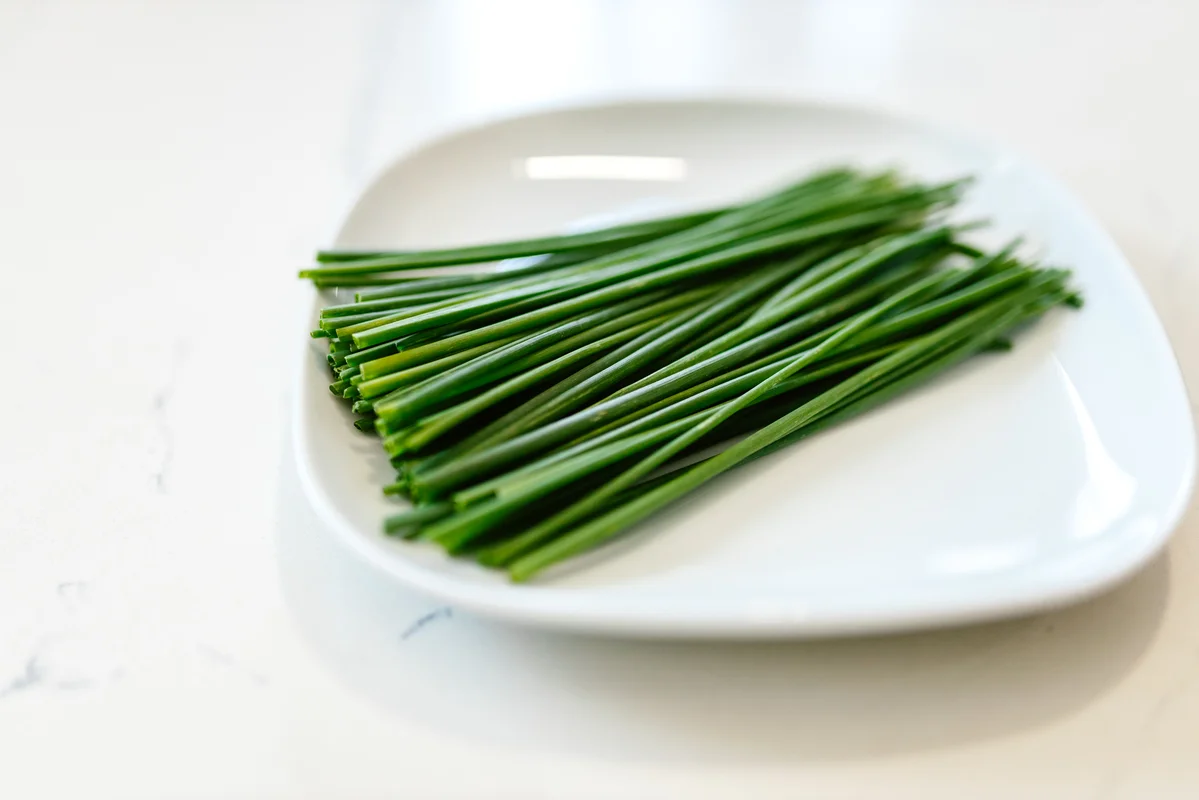
Harvesting chives is simple and encourages new growth. Use sharp scissors or garden snips to cut leaves at the base, ideally about an inch above the soil. This method minimizes damage to the plant while obtaining fresh chives for your kitchen. Chives are most flavorful when harvested fresh. However, you can also dry or freeze them for future use. To dry, bundle the leaves and hang them upside down in a dark, dry area. This process allows you to enjoy chives long after the growing season ends. The flowers of chives are edible too. They can be used as a garnish in salads or soups, adding both flavor and visual appeal. Regular harvesting of leaves and flowers promotes new growth, ensuring a continuous supply of this delightful herb.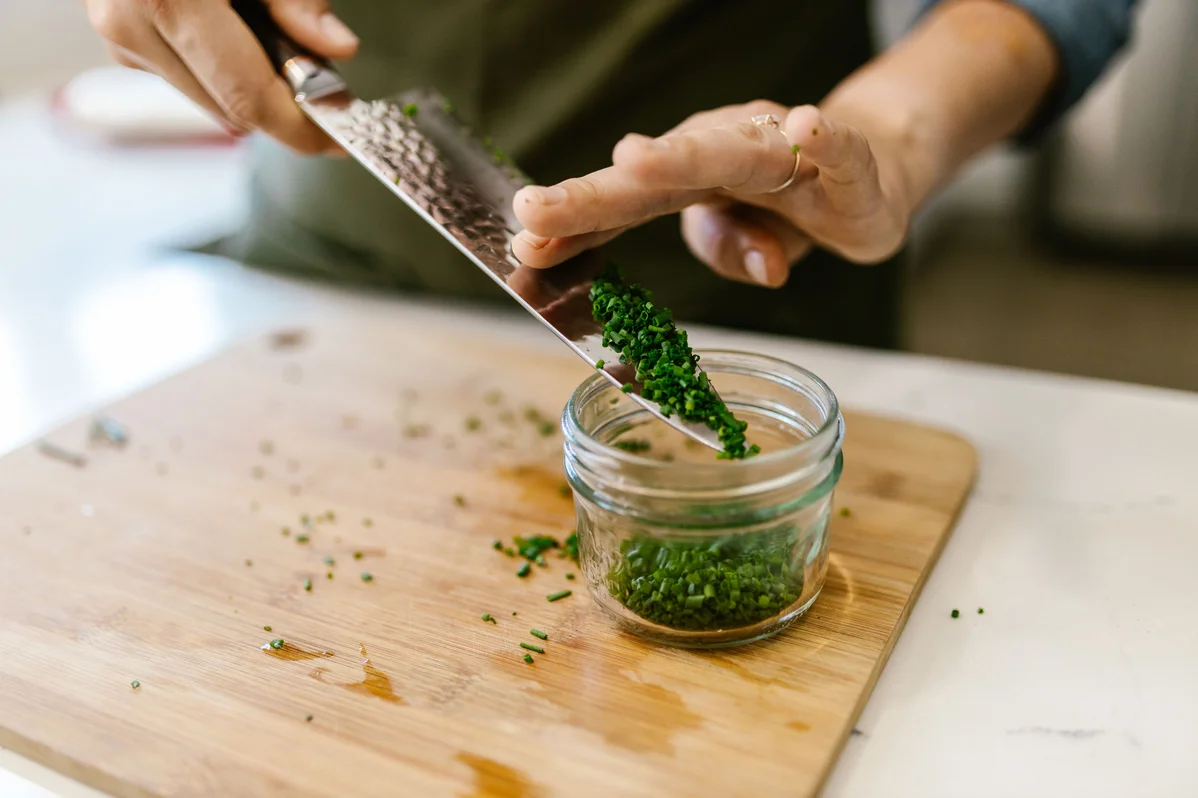
Are Chives Toxic to Pets?
Chives are toxic to pets, similar to onions. They contain N-propyl disulfide, which can cause serious health issues if ingested. Symptoms include vomiting, weakness, and elevated heart rates, which can be dangerous for your furry friends. If you suspect your pet has eaten chives, contact your vet immediately. Act quickly, as even small amounts can be harmful. Keeping chives out of reach from pets is essential for their safety. This toxicity is a common concern for pet owners. If you have pets but still want to grow chives, consider using raised garden beds or pots placed in hard-to-reach areas. This keeps your pets safe while enjoying the benefits of fresh herbs. Understanding the risks associated with chives helps you make informed choices in your gardening. Protecting your pets while growing chives can ensure a safe and enjoyable gardening experience.Frequently Asked Questions
How long does it take for chives to grow from seed?
Chives typically take 10 to 20 days to sprout from seed. In ideal conditions, around 70% of seeds germinate within this timeframe, according to Gardening Magazine (2023). This quick growth is due to their hardy nature and adaptability. Beginners can enjoy early success with chives, boosting their gardening confidence. Regular watering and sunlight will support faster growth. Consider starting seeds indoors for an early start in colder climates.
What are the best conditions for growing chives?
Chives thrive in full sun and well-draining soil. They prefer at least six hours of sunlight daily, as noted by the National Gardening Association (2025). This sunlight boosts their growth and flavor, allowing for plentiful harvests. In cooler climates, ensure they have protection from harsh winds. Regular watering is essential, especially during dry spells. Consider using mulch to retain soil moisture and regulate temperature.
Can chives survive winter outdoors?
Chives can survive winter outdoors in USDA Hardiness Zones 3 through 9. These hardy herbs can endure cold temperatures, as they are perennials that die back in winter and regrow in spring (Milanika, 2023). Their resilience allows gardeners to enjoy fresh herbs year after year. Mulching can provide extra insulation during freezing temperatures. For those in colder regions, consider covering plants with frost cloth. This helps them thrive despite harsh conditions.
What pests commonly affect chives?
Chives are generally resistant to pests, but aphids and onion flies can occasionally appear. These pests can damage leaves and stunt growth if not controlled. According to Eco Gardening (2026), maintaining healthy plants reduces pest problems. Regularly inspecting your chives helps catch infestations early. If you notice pests, apply insecticidal soap or neem oil to effectively manage the issue. Keeping your garden clean also deters pests.
How should chives be harvested for best flavor?
Harvest chives by cutting leaves at the base, about an inch above the soil. This method preserves plant health and encourages new growth, according to Gardening Magazine (2023). Freshly cut chives provide the best flavor for culinary uses. Consider harvesting in the morning for peak flavor and freshness. Regularly harvesting also prevents overcrowding, keeping your plants healthy. Store any excess chives in a dry, dark place to prolong shelf life. For background context, see At Home on Wikipedia.