
1. Why Are Tomatoes Hard to Find This Year?
Several factors are causing tomatoes to vanish from grocery shelves. Cold snaps in Florida and Mexico have severely impacted tomato production. These regions are vital suppliers for the U.S. market, and disruptions here lead to lower supply. Additionally, higher fuel prices and increased tariffs have added to the cost of importing tomatoes. These economic pressures mean fewer tomatoes are reaching stores, and when they do, prices soar. This perfect storm of events has made it harder for consumers to find affordable tomatoes. The impact is felt across the country. Families may need to adjust meal plans or seek alternatives to fresh tomatoes. Learning to grow your own can provide a reliable source of this essential ingredient.2. Choosing the Right Tomato Varieties
Selecting the right tomato variety makes a big difference in your home garden. For quick results, consider the Bush Early Girl. This determinate variety produces tomatoes in just 54 days, making it ideal for those eager for an early harvest. Pro Tip: Growing your own tomatoes can save you money, especially as prices surged to $2.26 per pound in 2026, according to the US Bureau of Labor Statistics. Another excellent choice is the Sungold, which produces sweet, yellow cherry tomatoes in about 60 days. If space is limited, opt for compact varieties like Celebrity or Patio Princess. These are perfect for container gardening and will yield delicious fruit in smaller spaces. By choosing the right varieties, you can maximize your harvest and enjoy fresh tomatoes throughout the growing season.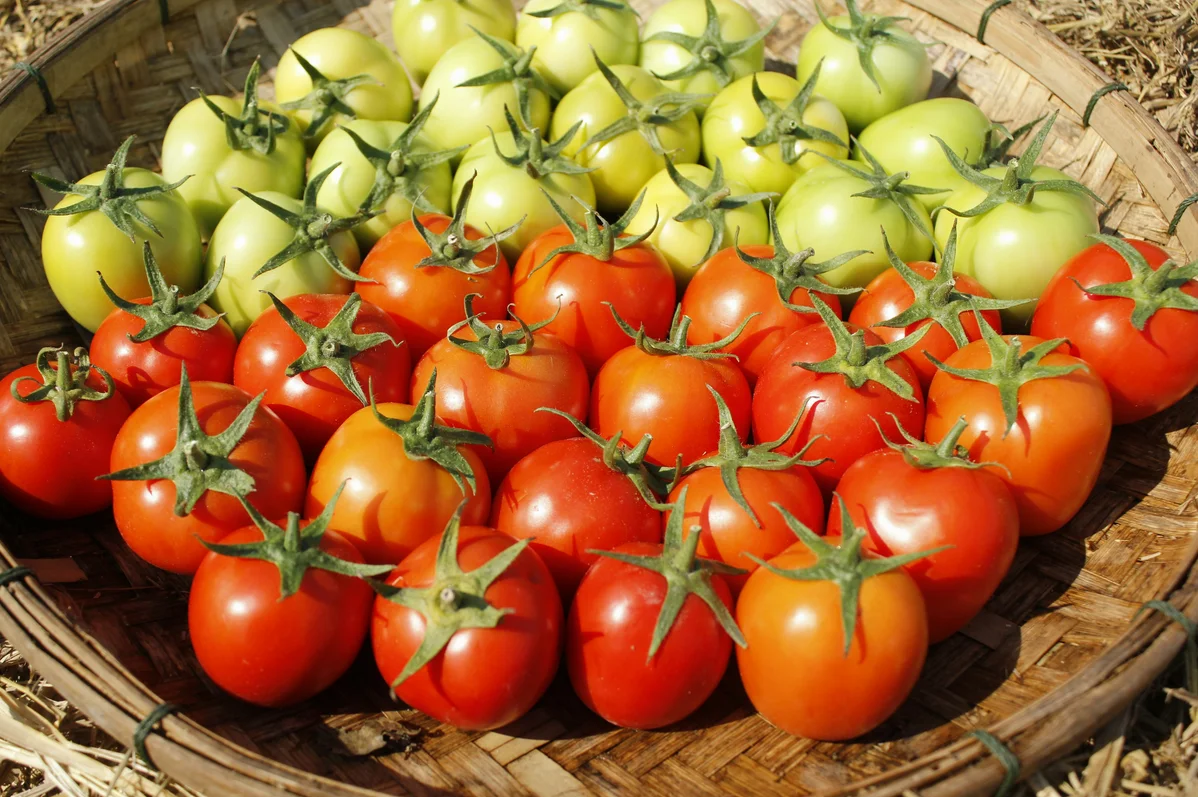
3. Ideal Conditions for Growing Tomatoes
Tomatoes thrive in specific conditions that maximize growth and yield. They require at least six hours of direct sunlight daily. This light is crucial for photosynthesis, helping the plants produce energy and fruit. Temperature also plays a significant role. Night temperatures should ideally stay above 55 degrees Fahrenheit. If it’s too cool, flowers may drop, leading to reduced fruit production. Soil quality is equally important for tomato health. Well-drained, fertile soil with a pH between 6.0 and 6.8 is best for growing tomatoes. Regularly testing your soil can help you maintain these optimal conditions. With the right environment, your tomatoes will flourish, ensuring a bountiful harvest.4. Step-by-Step Guide to Planting Tomatoes
- Choose your variety: Select a tomato type based on your space and taste preferences, aiming for quick-growing options.
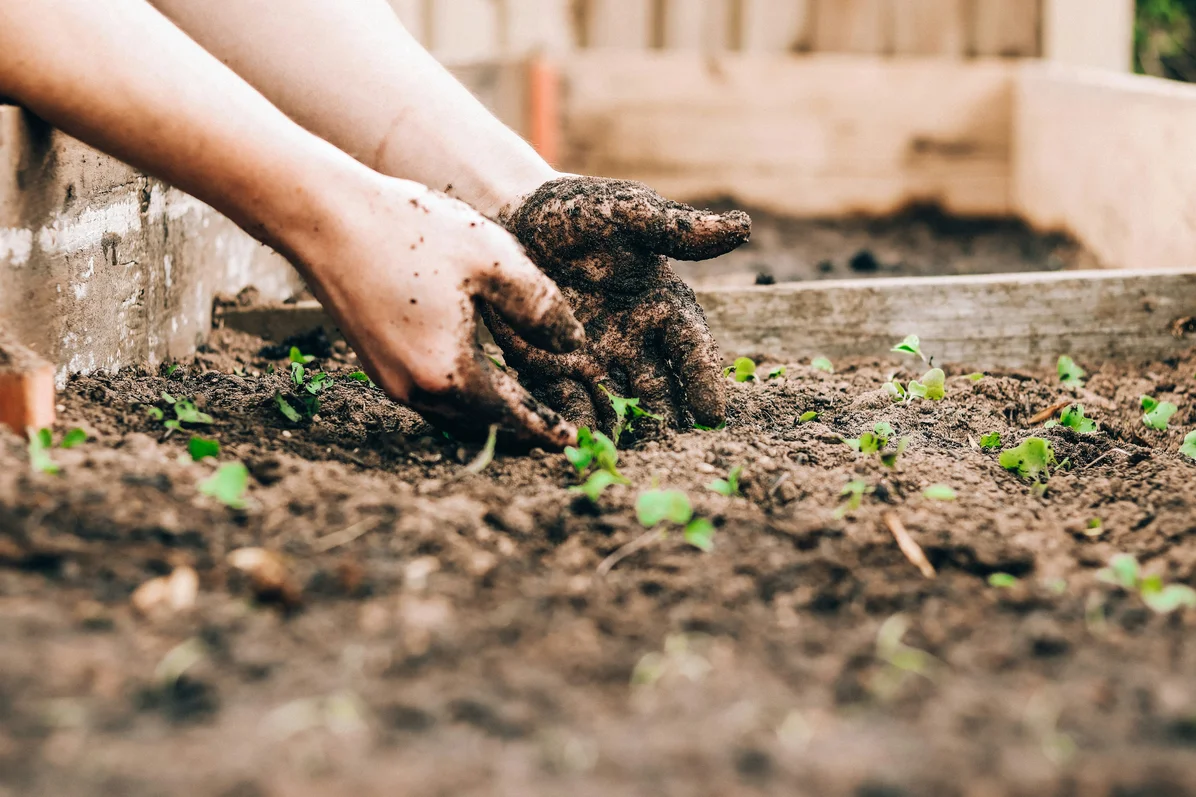
- Prepare the soil: Mix in compost or fertilizer to enrich the soil, ensuring it's well-drained.
- Plant seedlings: Transplant seedlings into the ground or containers once the risk of frost has passed, ideally after Mother's Day.
- Water your plants: Keep the soil moist by watering when the top two inches feel dry, especially during hot spells.
- Provide support: Use cages or stakes to support growing plants and keep fruits off the ground.
5. Caring for Your Tomato Plants
Proper care is essential for healthy tomato plants. Regular watering is vital, especially during dry spells. Aim to water deeply, allowing the soil to dry slightly between waterings. This encourages strong root growth. Fertilizing your plants can also help maximize yield. Use a balanced fertilizer every four to six weeks to provide essential nutrients. Look for options high in potassium to support fruit development. Pest management is another critical aspect of tomato care. Common pests like aphids and tomato hornworms can damage plants. Regularly inspect your plants and use organic pesticides or introduce beneficial insects to control pests naturally. By following these care tips, you can enjoy a thriving tomato garden that provides fresh produce throughout the growing season.Frequently Asked Questions
How long does it take for tomatoes to grow?
Tomatoes typically take 60 to 100 days to mature from planting. The exact time depends on the variety you choose. According to the USDA, most varieties fall within this range. Factors like sunlight and temperature can influence growth speed. This timeline applies to gardeners in all climates. To ensure a timely harvest, choose early varieties.
What are the best tomato varieties for beginners?
Beginners should consider varieties like Bush Early Girl or Sungold. These types are known for their ease of growth and quick yields. The USDA suggests choosing disease-resistant options to minimize challenges. Their compact size makes them perfect for home gardens. This information is useful for first-time gardeners. Start with these varieties to boost your success rate.
When is the best time to plant tomatoes?
The best time to plant tomatoes is after the last frost, typically after Mother's Day in May. This timing ensures warm soil and air temperatures. The University of Florida recommends checking local frost dates for accuracy. Planting too early can lead to stunted growth. This advice is crucial for gardeners in colder climates. Wait until temperatures consistently exceed 55 degrees Fahrenheit.
Can tomatoes be grown in containers?
Yes, tomatoes can thrive in containers, making them ideal for small spaces. Many compact varieties are specifically bred for container growth. The National Gardening Association highlights that container gardening allows for mobility and easy maintenance. Ensure your container has adequate drainage holes. This method works well for gardeners with limited outdoor space. Choose a container at least 5 gallons in size for best results.
What conditions do tomatoes need to grow?
Tomatoes need well-drained soil, full sunlight, and warm temperatures to thrive. They require a minimum of six hours of direct sunlight daily. The University of California Extension recommends maintaining soil pH between 6.0 and 6.8. This balance encourages healthy growth and fruit production. These conditions are vital for all tomato varieties. Regularly check your garden's sunlight exposure and soil quality.