
The Physiological Differences Between Strength Training and Cardio
- Engage in aerobic exercise: Perform activities like running or cycling for at least 30 minutes. This helps improve cardiovascular efficiency.
- Lift weights: Incorporate resistance training at least two times a week. Aim for 8-12 repetitions to build muscle strength.
- Monitor heart rate: Keep your heart rate elevated for 20-30 minutes during cardio. This ensures you're working in the aerobic zone.
- Track VO2 max: Regularly test your VO2 max to assess aerobic capacity. Aim to improve this metric over time. It indicates cardiovascular fitness.
- Assess recovery: Allow adequate rest between strength training sets. Recovery is key for muscle growth and overall performance.
How Cardio Improves Heart Health
Cardio exercises are essential for maintaining heart health. They promote better blood flow, increase heart efficiency, and enhance oxygen delivery to muscles. The constant demand for oxygen during cardio workouts leads to adaptations that strengthen the heart. Pro Tip: Regular cardio workouts can reduce cardiovascular disease risk by up to 30%, according to the American Heart Association (2026). Cardio workouts have been linked to lower blood pressure and improved cholesterol levels. In 2026, research confirmed that higher cardiorespiratory fitness correlates with a reduced risk of cardiovascular disease. So, individuals who engage in regular cardio are likely to enjoy longer, healthier lives. Incorporating cardio into your routine doesn’t have to be time-consuming. Simple activities like brisk walking or cycling can greatly impact your heart health. By focusing on cardio, you can strengthen your heart and improve your overall well-being.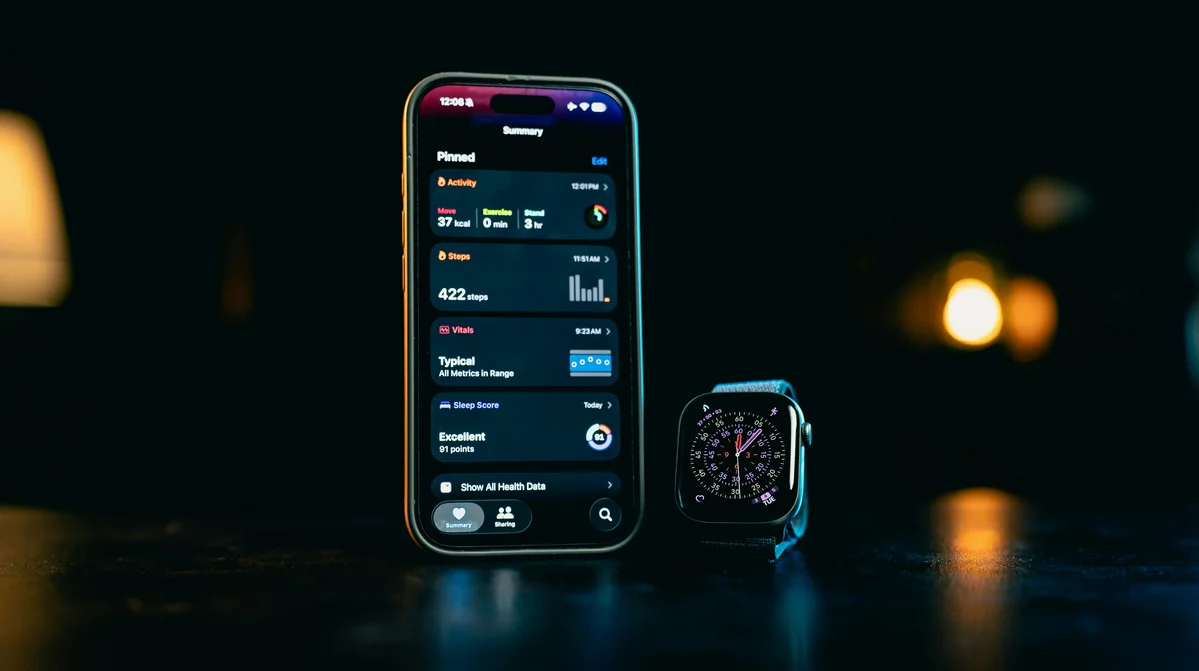
The Role of VO2 Max in Longevity
VO2 max is a key indicator of cardiovascular fitness and longevity. It measures the maximum amount of oxygen your body can use during intense exercise. Higher VO2 max levels are linked to lower all-cause mortality risk. This makes it a vital metric for your health. In 2026, studies highlighted that cardiorespiratory fitness is closely tied to longevity. As you improve your VO2 max through regular cardio, you enhance your body’s ability to deliver oxygen to muscles. This boosts performance and promotes long-term heart health. For those looking to improve their VO2 max, incorporating consistent aerobic workouts is essential. Engaging in high-intensity interval training (HIIT) can well elevate your VO2 max over time. Focusing on cardio exercises has long-lasting benefits for your health and lifespan.Can You Combine Strength Training and Cardio?
Combining strength training and cardio is possible and good. Each type of exercise complements the other. This enhances overall fitness. Cardio improves cardiovascular health, while strength training builds muscle and bone density. A balanced routine that includes both elements can lead to optimal health outcomes. For instance, you can alternate between strength training days and cardio days. You can also combine both in a single workout session. This approach ensures you reap the benefits of both exercise types. Incorporating both strength training and cardio into your fitness routine can help prevent injuries. It keeps your workouts diverse. A varied routine keeps you engaged and motivated. This allows for recovery from one type while still exercising the other. It leads to better results.
Best Practices for a Balanced Fitness Routine
To create a balanced fitness routine, focus on both strength training and cardio. Aim to include cardio exercises at least three times a week for 150 minutes. This can include running, swimming, or cycling. In addition to cardio, incorporate strength training exercises at least twice a week. Focus on major muscle groups to maximize benefits. Exercises like squats, deadlifts, and bench presses can be effective. Listening to your body is also crucial. Ensure you give yourself adequate rest and recovery time. This will help prevent injuries and improve overall performance. Lastly, consider tracking your progress to stay motivated. Adjust your routine as needed. A well-rounded fitness routine enhances physical health and improves mental well-being. By committing to both strength training and cardio, you’re investing in a healthier future.Frequently Asked Questions
Can strength training improve cardiovascular health?
Yes, strength training can enhance cardiovascular health. In a 2026 study, researchers found that resistance training improves heart function in adults. The American Heart Association highlights that it can help lower blood pressure. This is essential for reducing heart disease risk. Individuals should include strength training in their fitness regimen. Aim for two sessions per week for best results.
How does cardio affect VO2 max levels?
Cardio significantly boosts VO2 max levels. A 2026 study reported that consistent aerobic exercise can enhance VO2 max by 15-20%. Researchers at Duke University found that this improvement is linked to better heart health. Increased VO2 max allows the body to use more oxygen during exertion. This is critical for athletes and active individuals. Engage in regular running or cycling to improve your VO2 max.
What is the best balance between strength training and cardio?
A balanced approach includes both strength training and cardio. Experts recommend at least 150 minutes of cardio per week alongside two strength training sessions. The CDC states that this combination promotes overall health. Engaging in both types of exercise improves muscle strength and cardiovascular endurance. This balance is vital for weight management and health. Aim to incorporate both into your weekly routine.
Is it better to do cardio before or after strength training?
It’s generally better to do strength training before cardio. A 2026 study indicated that strength workouts performed first can enhance muscle performance. This approach allows you to lift heavier weights effectively. Prioritizing strength training also increases calorie burn during cardio. It’s especially important for those focused on muscle gain. Consider your fitness goals when structuring your routine.
What are the benefits of combining cardio and strength training?
Combining cardio and strength training offers numerous benefits. A 2026 study found that this approach improves both cardiovascular and muscular fitness. Mixing the two helps reduce body fat while maintaining muscle mass. This combination can also enhance overall endurance and strength. Individuals aiming for comprehensive fitness should include both types of exercise. Alternate workouts to find your ideal routine. For background context, see Cardio on Wikipedia.