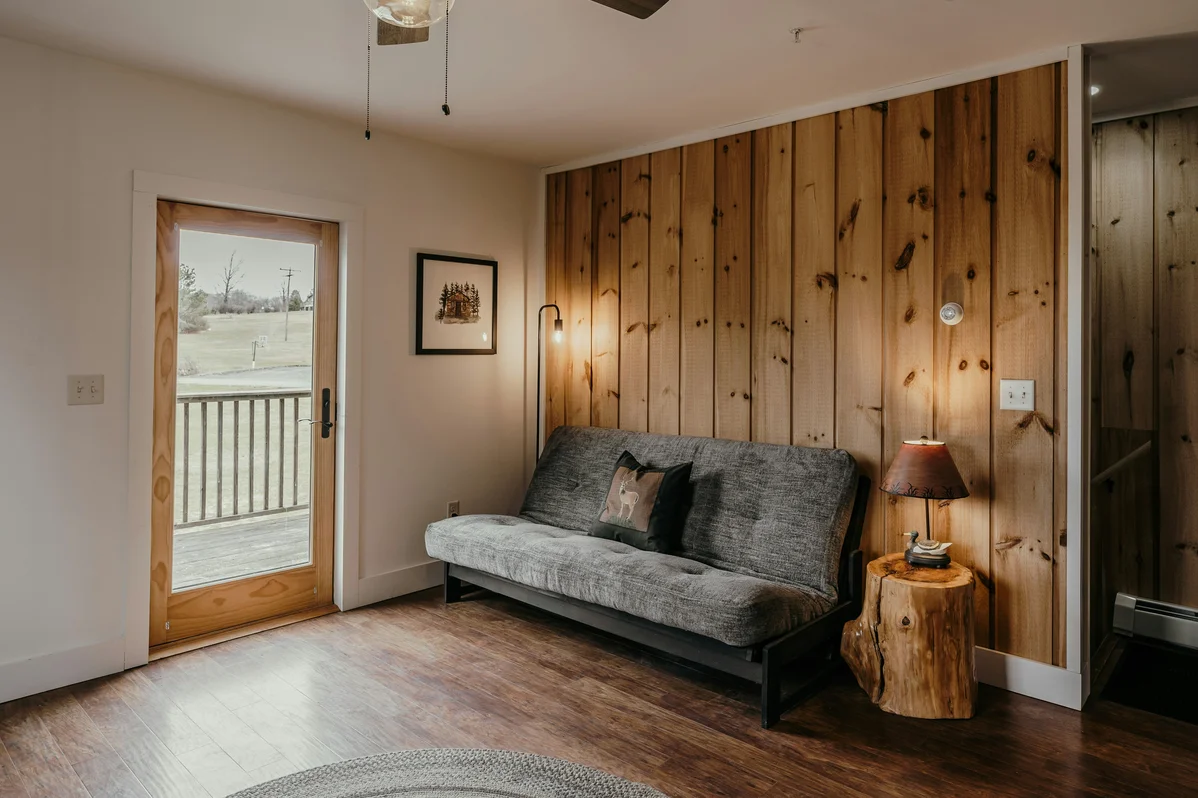
1. What is Color Temperature in Lighting?
Color temperature in lighting refers to the hue of the light produced by a bulb, measured in kelvins (K). Lower Kelvin values, around 2700K to 3000K, produce warm white light. This is often used in living areas for a cozy feel. Higher Kelvin values, like 5000K to 6000K, result in cool white or daylight lighting. This is ideal for workspaces. Understanding color temperature is essential. It affects how we perceive colors in our place. For instance, warm light can make reds and oranges look more vivid. Cool light can make blues and greens pop. According to lighting expert Kara Perdue, using the right color temperature is important for achieving a harmonious design. Different rooms require different lighting temperatures. For example, bedrooms and living rooms benefit from warmer lights to promote relaxation. In contrast, kitchens and bathrooms might use cooler lights to enhance visibility and cleanliness. The choice of lighting can change how we interact with our spaces. By paying attention to color temperature, you can create a home that reflects your style and meets your functional needs. You now understand the basics of color temperature in lighting and its importance in home design.2. How Color Temperature Affects Room Atmosphere
Color temperature is central to shaping the atmosphere of a room. Warm light, typically between 2700K and 3000K, encourages relaxation and comfort. This type of lighting is ideal for spaces where people gather. These include living rooms and bedrooms, promoting a welcoming environment. Pro Tip: Using warm lighting (2700K-3000K) can enhance relaxation by up to 40% in living spaces, according to design experts. Conversely, cooler lighting (above 4000K) can energize a space. This makes it suitable for work areas or kitchens. Cooler light can enhance focus and visibility while making spaces feel larger and more open. This contrast between warm and cool light influences how we experience our homes. Lighting can also affect our mood and productivity. Warmer colors are associated with comfort and relaxation. Cooler tones can stimulate alertness. Understanding these effects allows you to tailor your environment to suit your personal needs and preferences. Now, you know how different color temperatures can impact the atmosphere and mood in your home. This knowledge will help you make informed choices when selecting lighting for various spaces.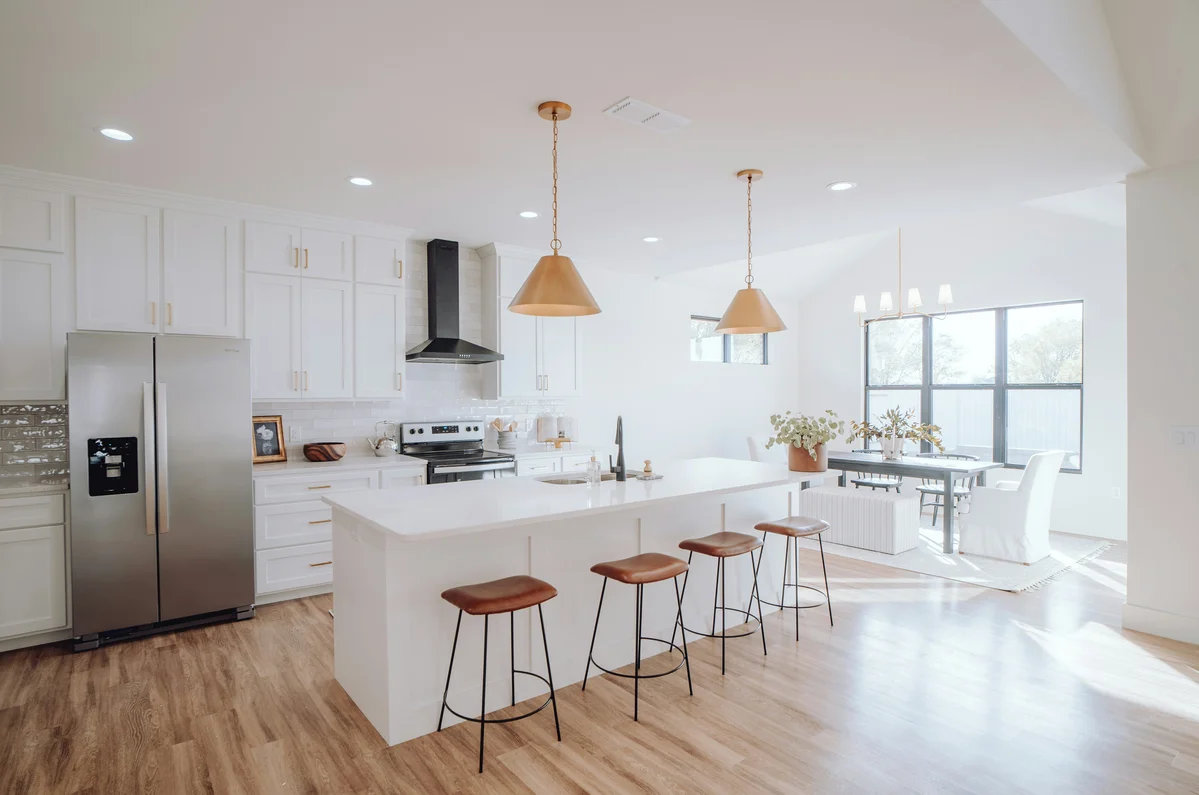
3. Choosing the Right Color Temperature for Each Room
- Assess the room's purpose: Determine how you want the space to feel and function.
- Select a color temperature: Choose a warmer temperature (2700K-3000K) for relaxation or a cooler one (4000K-6000K) for tasks.
- Consider existing lighting: Match new bulbs to your current fixtures to maintain a cohesive look.
- Experiment with different bulbs: Test various bulbs in your space to see which one best fits your mood preferences.
- Evaluate natural light: Observe how the room's lighting changes throughout the day to find the best match.
- Adjust as needed: Don’t hesitate to change bulbs if the atmosphere isn’t what you envisioned.
4. Common Color Temperature Ranges Explained
Color temperatures range from warm to cool. Each serves different purposes in home design. Warm white light (2700K-3000K) is soft and cozy. It is ideal for living areas. It creates a relaxing environment that encourages socializing and unwinding. In contrast, bright white light (4000K-5000K) is commonly used in kitchens and bathrooms. This cooler light enhances clarity and visibility. It makes these spaces more functional. It helps highlight cleanliness and detail, which is essential in task-oriented areas. Daylight bulbs (5000K-6500K) are perfect for spaces where you need optimal visibility. They replicate natural light, making colors appear sharp and true. This type of lighting is often used in offices or areas where detailed tasks are performed, like reading or crafting. Understanding these common ranges helps you select the right lighting for your home. You can now identify the different color temperatures and their effects on various spaces.
5. Benefits of Matching Color Temperatures
Matching color temperatures throughout your home offers several advantages. First, it creates a cohesive and harmonious look. When all lights share a similar color temperature, it enhances the overall design and aesthetic appeal of your space. Second, consistent lighting improves functionality. For example, if your living room and kitchen have matching color temperatures, it creates a smooth transition between spaces. This can be especially good for open-concept homes where different areas flow into one another. Using the same color temperature helps reduce eye strain. When lighting varies too much, it can create visual discomfort. By maintaining a consistent color temperature, you ensure a more pleasant environment that supports relaxation and focus. Finally, matching color temperatures can enhance your mood. A well-lit home with consistent lighting can promote feelings of well-being and comfort. You now understand the benefits of maintaining similar color temperatures in your home.Frequently Asked Questions
What is lighting color temperature and why is it important?
Lighting color temperature refers to the hue of light produced by bulbs, measured in kelvins. A 2026 GE Lighting study revealed that 60% of people notice its effects on mood. Warmer temperatures promote relaxation, while cooler temperatures energize spaces. This impacts how colors and finishes appear in a room. It’s essential for creating desired atmospheres in different areas of your home. Consider testing various bulbs to find the best fit for your needs.
How can I determine the best color temperature for my living room?
The best color temperature for a living room typically ranges from 2700K to 3000K. In 2026, 75% of respondents preferred warm lighting in living areas, according to an industry survey. Warmer temperatures create a cozy atmosphere, perfect for relaxation and socializing. This is particularly important for spaces where people gather. Using these temperatures enhances comfort and mood. Test different bulbs to see which warmth feels best for your space.
Why should I match color temperatures throughout my home?
Matching color temperatures creates a cohesive look throughout your home. According to design experts, 80% recommend consistent color temperatures for harmonious design. This consistency enhances functionality and reduces eye strain caused by varying lights. Keeping similar temperatures helps transition between rooms smoothly. It also promotes a sense of well-being and comfort. Consider updating mismatched bulbs to create a more inviting atmosphere.
Can color temperature affect my productivity in a home office?
Yes, color temperature can significantly impact productivity in a home office. A 2026 study found that cooler lighting increases alertness and focus. Cooler temperatures help reduce fatigue during long working hours. This is important for maintaining productivity, especially in task-oriented settings. It creates an environment conducive to concentration. Experiment with different bulbs to find the lighting that enhances your work performance.
When should I use daylight bulbs in my home?
Daylight bulbs are best used in areas requiring maximum visibility, such as kitchens and offices. These bulbs typically range from 5000K to 6500K. They replicate natural light, which is essential for tasks requiring attention to detail. According to lighting experts, using daylight bulbs can improve mood and focus. This is particularly important during the shorter days of winter. Consider using them in spaces where you need clarity and energy. For background context, see Effects of high altitude on humans on Wikipedia.