1. Identifying Chipmunk Activity in Your Garden
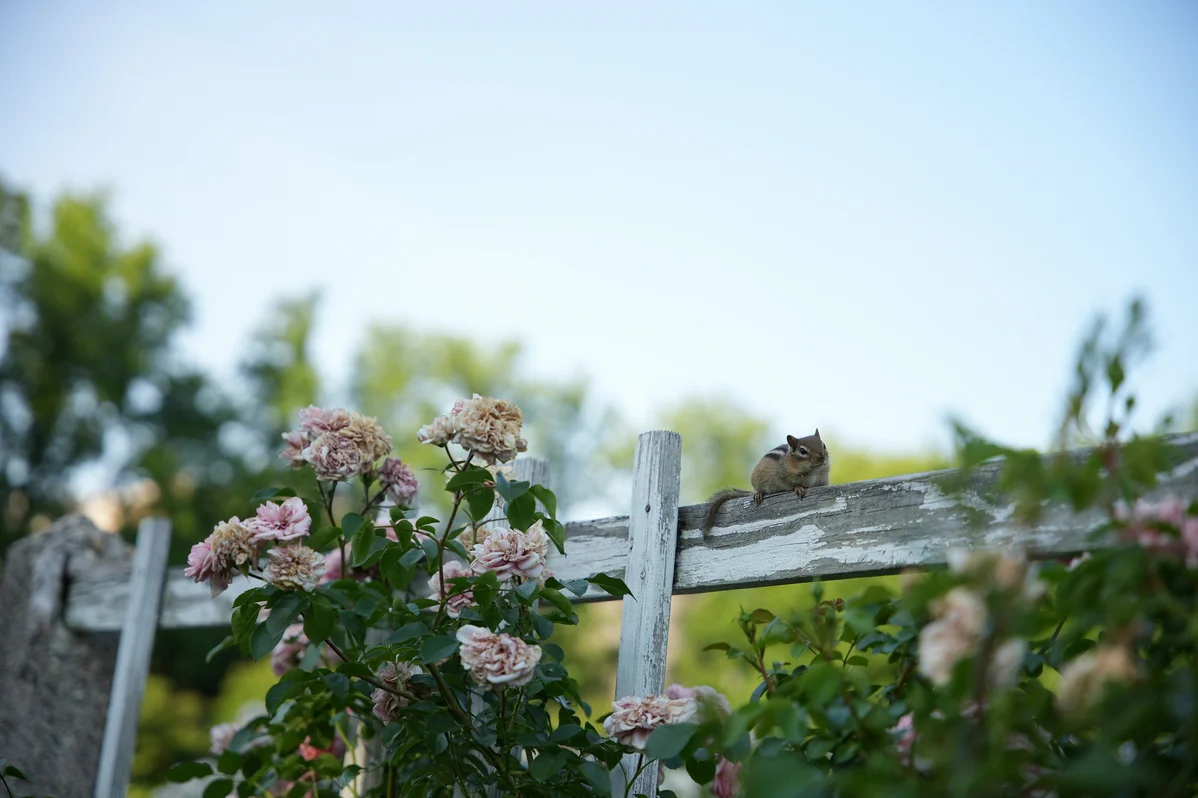
Identifying chipmunks in your garden is the first step to managing them. Look for small holes in the ground, typically about two inches wide, without dirt mounds. These holes often appear near sidewalks and porches. You may also notice missing plants and piles of seed shells beneath bird feeders. Common signs of chipmunk activity include burrowing holes and missing flower bulbs. According to Robert Pierce, signs like these indicate a chipmunk infestation. If you see these signs, it's time to take action before they establish larger networks. Early detection helps in applying effective strategies to keep them at bay. Chipmunks can cause serious damage to your garden if left unchecked. Their burrowing habits can lead to soil erosion, affecting plant health. Recognizing their activity allows you to implement methods to deter them. Knowing what to look for ensures you can act quickly and protect your garden. Now you know how to spot chipmunks in your garden. Understanding their signs helps you take action before damage occurs.2. Understanding What Attracts Chipmunks
Chipmunks are drawn to gardens by food sources. They enjoy seeds, berries, nuts, and young vegetables. If you leave food out, you might be inviting them in. According to Pierce, they’re not picky eaters and will return if they find reliable food sources. Pro Tip: Implementing a cayenne pepper barrier around your garden can deter chipmunks effectively, according to wildlife experts. Keeping your garden clean is key. Remove fallen fruits, clean bird feeders, and harvest ripe produce promptly. This reduces the temptation for chipmunks to visit. Eliminating easy food sources makes your garden less appealing to these critters. Chipmunks also seek shelter in thick vegetation. Keeping your garden tidy helps limit their hiding spots. Trim bushes and maintain your garden to reduce their habitat. Understanding what attracts chipmunks allows you to take proactive steps to protect your garden. Now you know what draws chipmunks to your garden. Addressing these factors helps you reduce their presence effectively.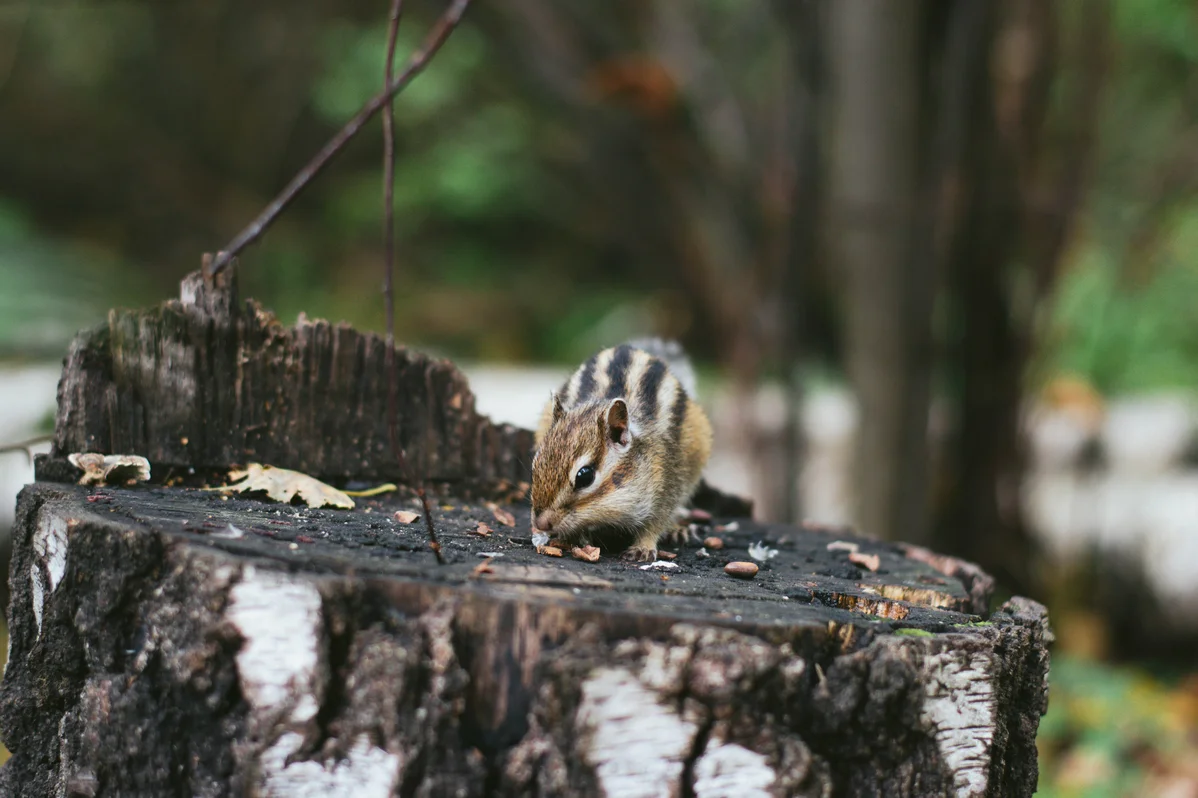
3. 10 Humane Ways to Deter Chipmunks
There are several humane methods to deter chipmunks from your garden. Use physical barriers. Fencing that is buried at least six inches deep can prevent burrowing. Mesh or hardware cloth can protect plants effectively. Next, consider natural repellents. Scents like peppermint oil can be unappealing to chipmunks. Spray these around your garden to discourage their return. Using predator scents, such as fox urine, can create a sense of danger for them. Keep your garden tidy by removing any food sources. Regularly clean up fallen fruits and seeds to avoid attracting chipmunks. This is a simple yet effective method to lower their activity around your plants. Implementing noise deterrents can also help. Motion-activated devices that make sounds can startle chipmunks and chase them away. Combining these methods creates a less inviting environment for them. Lastly, planting chipmunk-resistant plants can significantly help. Consider using herbs or plants that chipmunks tend to avoid. Employing these strategies effectively reduces chipmunk activity without harming them. Now you have ten humane strategies to deter chipmunks. Using these methods protects your garden from these persistent critters.4. Preventing Future Chipmunk Infestations
- Remove food sources: Keep your garden clean by picking ripe fruits and cleaning bird feeders weekly.
- Install barriers: Use fencing or mesh buried six inches deep to prevent burrowing.
- Maintain your garden: Trim bushes and remove dense vegetation to limit shelter for chipmunks.
- Use repellents: Apply natural repellents like peppermint oil around your garden every few weeks.
- Monitor chipmunk activity: Check your garden regularly for signs of chipmunks, especially in spring and fall.
5. When to Seek Professional Help
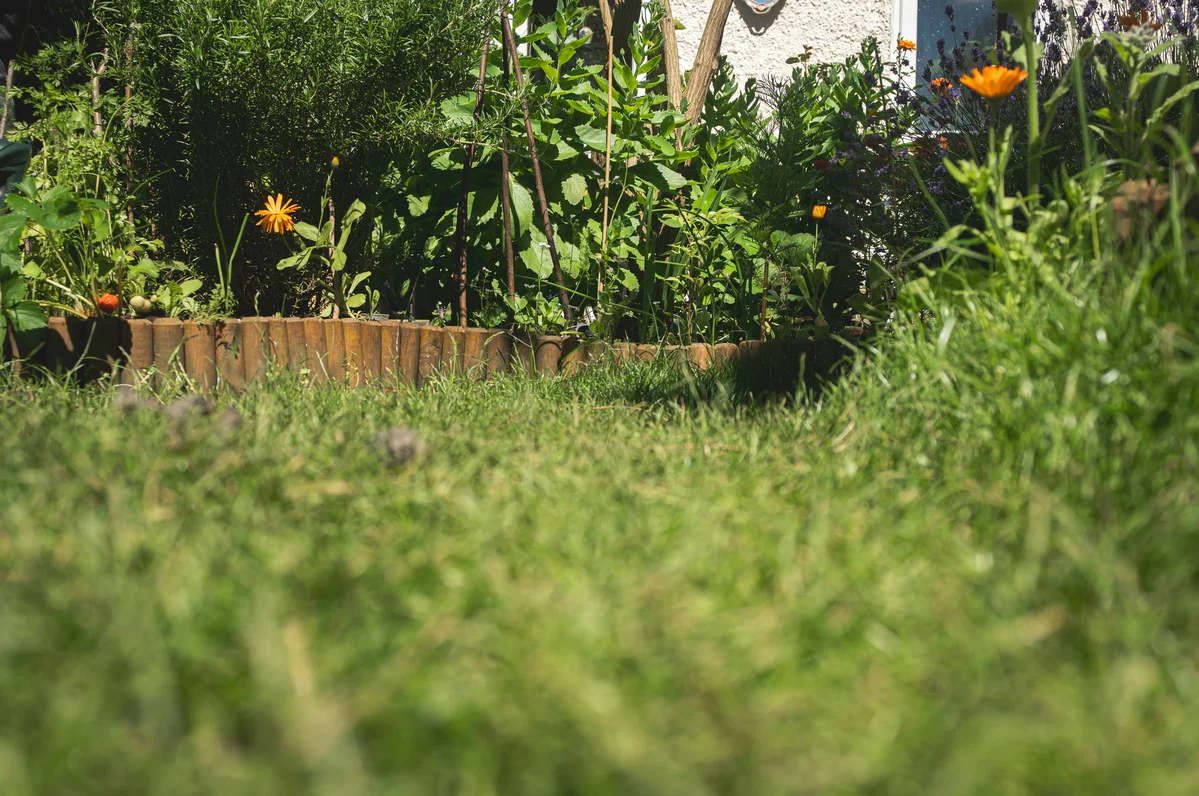
Sometimes, despite your best efforts, chipmunks can become overwhelming. If you notice extensive damage to your garden or home, it may be time to call in professionals. According to Robert Pierce, local wildlife specialists can provide effective solutions tailored to your situation. Professional help is especially important when chipmunks create extensive burrow networks. Burrows can undermine the structural integrity of patios or foundations. If you observe significant soil erosion, it’s a sign that the problem is worsening. If you’ve tried various methods without success, consider seeking expert assistance. Professionals can offer specialized traps or solutions that you may not have access to. They also understand local regulations regarding wildlife management. If you feel uncomfortable handling chipmunks, don’t hesitate to contact a specialist. It’s better to ensure the safety of your garden and home. Knowing when to call for help allows you to protect your property effectively. Now you understand when to seek professional help for chipmunk control. Taking timely action can save your garden from further damage.Frequently Asked Questions
How can I tell if I have a chipmunk problem?
Chipmunks leave clear signs of their presence in gardens. Look for small holes approximately two inches wide, often near sidewalks or plants. According to Robert Pierce, many homeowners notice these signs in their gardens. Chipmunks dig these holes to create burrows for food storage. This can lead to damage in plants and soil erosion. If you see these signs, take action to deter them quickly.
What attracts chipmunks to my garden?
Chipmunks are attracted to gardens by easily accessible food sources. They particularly enjoy seeds, nuts, and ripe fruits. A 2023 study by Robert Pierce found that these critters often return to reliable food sources. Their varied diet means they’ll eat almost anything available. This is especially true during spring and summer when food is abundant. To deter them, regularly clean up fallen fruits and seeds.
Can I get rid of chipmunks without harming them?
Yes, you can effectively get rid of chipmunks using humane methods. Many experts recommend using barriers and repellents as effective deterrents. A 2023 article by Robert Pierce emphasizes the importance of humane chipmunk management. These methods prevent harm while keeping gardens safe. It’s essential to combine multiple strategies for the best results. Regularly checking your garden will help you notice any chipmunk activity.
When should I call a professional for chipmunk control?
You should call a professional when chipmunk activity becomes overwhelming. If you notice extensive burrowing or damage to your plants, it’s time to seek help. Robert Pierce suggests that professionals can offer targeted solutions for severe infestations. They can also handle regulations regarding wildlife management in your area. If your DIY efforts are unsuccessful, consider contacting a wildlife specialist. They can provide effective and safe options for managing chipmunks.
What are some natural deterrents for chipmunks?
Natural deterrents can effectively keep chipmunks away from gardens. Using scents like peppermint oil or cayenne pepper can help deter these critters. Robert Pierce notes that these methods are often successful when applied correctly. Regularly refreshing these barriers ensures they remain effective. Chipmunks dislike strong odors, making these deterrents useful. Combining natural methods with physical barriers can enhance your garden's protection. For background context, see Alvin and the Chipmunks on Wikipedia.
Related Analysis
How to Grow Kale at Home: for Your Garden
Kale is easy to grow at home, providing fresh greens all season. Learn expert tips for planting...
7 Tips to Optimize Your Walks for Better Healthspan and Longevity
Optimizing your walks can enhance healthspan and longevity. Here are 7 tips to make every step count.
Growing Chives at Home: A Simple Guide for Beginners
Chives are one of the easiest herbs to grow at home, adding flavor and color to your meals....