
What Is a Home Fire Extinguisher?
A home fire extinguisher is a portable, pressurized device that dispenses a substance to put out fires. These devices are essential for controlling small fires in their early stages. They come in various types, designed for different fire sources. They can be life-saving when used correctly. While not legally required in single-family homes, having one can greatly enhance safety. Fire extinguishers help prevent thousands of house fires each year. Experts like Philip Farina emphasize the importance of investing in these safety products. A small cost now can save you from catastrophic losses later. Most insurance companies offer discounts for homes equipped with fire extinguishers. This makes them a smart financial choice. Fire extinguishers are typically categorized by their power against specific types of fires. Understanding these categories helps homeowners choose the right extinguisher for their needs. For example, Class A extinguishers are for ordinary combustibles. Class B extinguishers are for flammable liquids. Fire safety should be a priority for every homeowner. Being prepared means knowing what tools to use and how to use them well.Types of Fire Extinguishers for Home Use
There are five main classifications of fire extinguishers, each designed for specific fire types. Class A extinguishers combat ordinary combustibles like wood and paper. Class B extinguishers are for flammable liquids, such as gasoline and oil. Class C extinguishers are used for electrical fires. Class D is for combustible metals. Lastly, Class K extinguishers are suitable for cooking oils and fats. Pro Tip: Having a fire extinguisher in your home can reduce the risk of fire-related injuries by up to 80%, according to the National Fire Protection Association. For home use, safety experts generally recommend a combination ABC extinguisher. These are versatile and can handle the most common sources of ignition found in homes. They come in various sizes, typically ranging from 2.5 to 10 pounds. The size you choose should depend on where you plan to place it and how easily you can handle it. Selecting the right type of fire extinguisher is just the first step. Homeowners must also consider additional factors, such as the extinguisher's weight and ease of use. A well-chosen extinguisher can provide quick access to safety when every second counts.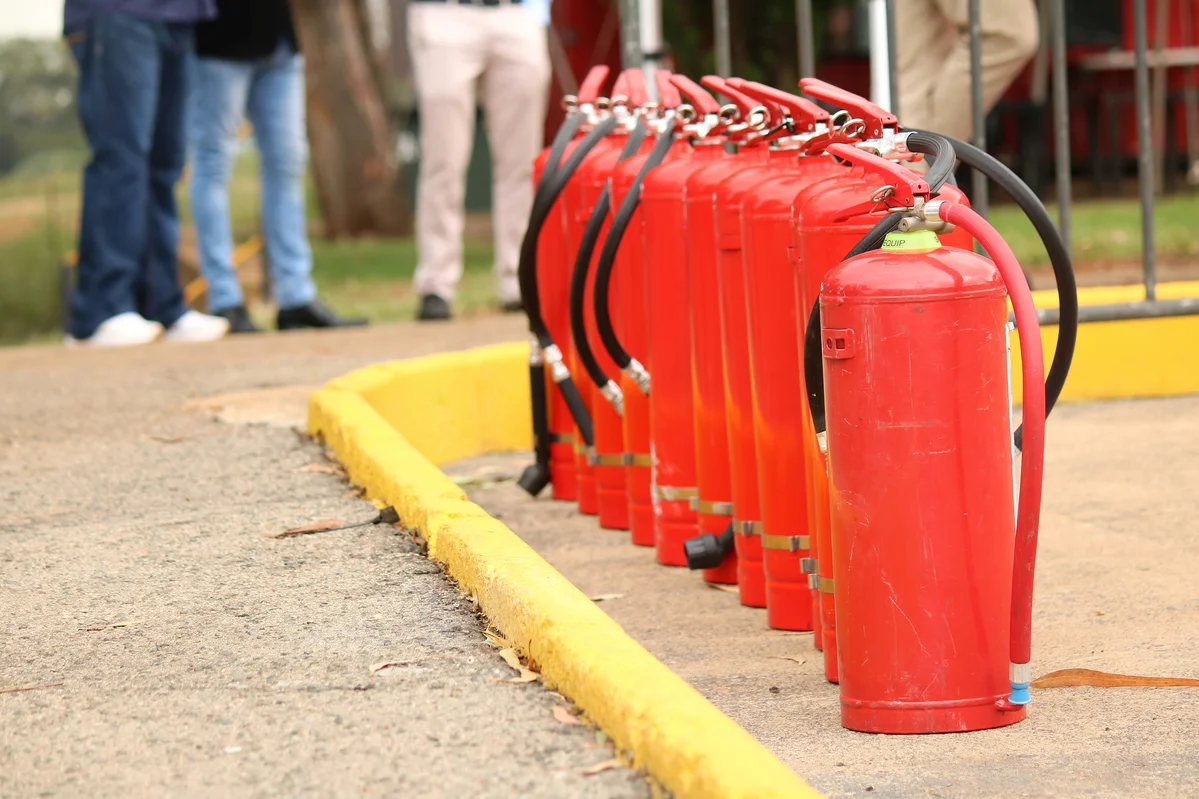
Where to Place Fire Extinguishers in Your Home
Placement of fire extinguishers is critical for effective fire safety. Experts recommend keeping extinguishers in high-risk areas, especially the kitchen and garage. Additionally, it's wise to have one on each floor of the house. This includes the master bedroom and laundry room. A fire extinguisher should also be located near outdoor grills. For optimal access, mount fire extinguishers in visible and easily reachable locations. They should be between three-and-a-half to five feet off the ground. In kitchens, keep them 10 to 15 feet away from the stove to avoid heat contact. Storing them too close to heat sources can lead to dangerous situations. They can build internal pressure and potentially explode. Lo Choe, a fire and safety expert, recommends at least a five-pound ABC extinguisher in general living areas. For the kitchen, consider a separate Class K extinguisher for grease fires. Upgrading to a 10-pound ABC model for the garage can provide added safety in spaces where larger fires might occur. Being proactive about fire extinguisher placement makes a notable difference in emergency situations. Properly positioned extinguishers can be accessed quickly. This increases the chances of successfully putting out a fire before it spreads.How to Maintain Your Fire Extinguisher
- Check the pressure: Inspect the gauge every month to ensure it's in the green zone.
- Inspect for damages: Look for any signs of rust, dents, or leaks at least twice a year.
- Clean the extinguisher: Wipe it down with a damp cloth to remove dust and dirt every six months.
- Recharge after use: Take your extinguisher to a professional for recharging immediately after any use.
- Replace if expired: Fire extinguishers usually last 5-15 years; check the expiration date.
When to Use a Fire Extinguisher
Knowing when to use a fire extinguisher can save lives. You should only attempt to fight a fire if it is small and manageable. This is typically no taller than your chest. If you see heavy smoke or flames that are growing, evacuate immediately. Fire safety experts recommend having a clear escape route before attempting to extinguish a fire. The PASS method is a simple way to remember how to use a fire extinguisher well. Start by pulling the pin. Aim at the base of the fire, squeeze the handle, and sweep the nozzle from side to side. This method has been a standard for over 50 years. It’s easy to remember and effective. If you’re unsure whether the fire is out, call the fire department. They can inspect the area to ensure the fire is completely extinguished. After using an extinguisher, open windows to ventilate any harmful chemicals. Take photos for insurance purposes. Understanding when to use a fire extinguisher is as crucial as knowing how to use it. Proper knowledge can prevent a small fire from turning into a catastrophic event.Frequently Asked Questions
How often should you check your fire extinguisher?
You should check your fire extinguisher monthly. About 30% of extinguishers fail due to lack of maintenance (National Fire Protection Association, 2026). Regular checks ensure they remain functional and accessible. This is critical for safety during emergencies. Homeowners should familiarize themselves with their extinguishers’ locations. Make a reminder to check them every month.
What type of fire extinguisher is best for home use?
The best type for home use is an ABC extinguisher. These can handle approximately 80% of home fire types (Family Handyman, 2026). They effectively combat combustible materials, flammable liquids, and electrical fires. This versatility is essential for home safety. Families should select a multi-purpose extinguisher for maximum protection. Always choose a model that is easy to operate.
Where should I place fire extinguishers in my house?
Fire extinguishers should be placed in the kitchen and garage. About 60% of home fires start in the kitchen (National Fire Protection Association, 2026). Placing extinguishers in these areas allows for quick access during emergencies. Homeowners should also keep one on every floor, including bedrooms. Ensure they are mounted 3.5 to 5 feet high for visibility. Regularly check their locations to ensure accessibility.
Can fire extinguishers be reused after use?
No, fire extinguishers cannot be reused after use. About 70% need servicing or recharging after being discharged (Family Handyman, 2026). Discharge reduces the effectiveness of the extinguisher. Homeowners should take them to a professional for recharging. This ensures they are ready for any future emergencies. Avoid attempting to refill them yourself.
When should I replace my fire extinguisher?
You should replace your fire extinguisher every 5 to 15 years. Many extinguishers have a lifespan of 12 years (National Fire Protection Association, 2026). Over time, the materials can degrade and become less effective. Homeowners should check the expiration date regularly. If the unit is damaged or expired, replace it immediately. Regular replacement ensures maximum safety for your household. For background context, see Fire extinguisher on Wikipedia.
Related Analysis
Interior Designers Share Their Best Tips on Styling...
Want to make your home feel more elegant? Styling your books can transform your space. Here are...
What to Do When You Encounter a Brown Recluse Spider in Your Home
Finding a brown recluse spider can be alarming. Learn how to identify, safely remove, and...
Transform Your Kitchen with This Charming Paper Towel Hack
Elevate your kitchen's charm with a simple paper towel folding hack that adds a decorative touch...